Quick answer:
Choosing the right 3D printing manufacturer is a critical procurement decision that goes far beyond just getting a part made. The right partner provides engineering expertise and reliable post-processing to ensure functional, durable components. The wrong choice can lead to failed prototypes, production delays, and hidden costs from poor material selection or inadequate quality control.
You’re looking for a 3D printing service to build a functional prototype or an end-use production part. But the sheer number of manufacturers, technologies, and materials can be overwhelming. How do you cut through the noise and find a partner who delivers not just a part, but a viable manufacturing solution? A partner who understands your application’s mechanical, thermal, and environmental demands is what separates a successful project from an expensive paperweight.
Table of Contents
1. It’s Not Just a Printer: Manufacturing vs. Hobbyist Services
2. Key Selection Criteria for a Capable Partner
3. The Hidden Cost Factors in 3D Printing Manufacturing
4. A Buyer’s Checklist for Vetting Manufacturers
5. Common Questions About Sourcing 3D Printed Parts
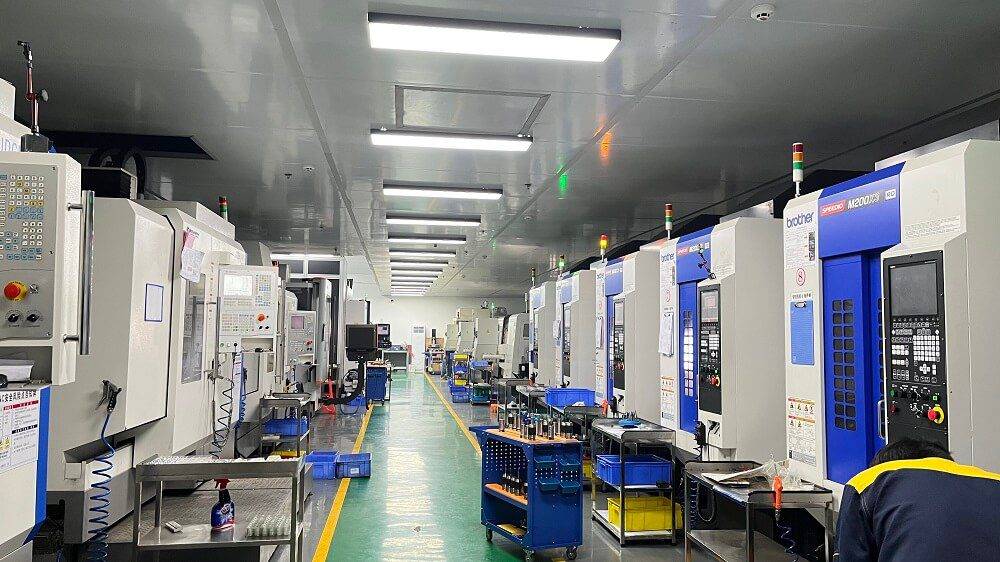
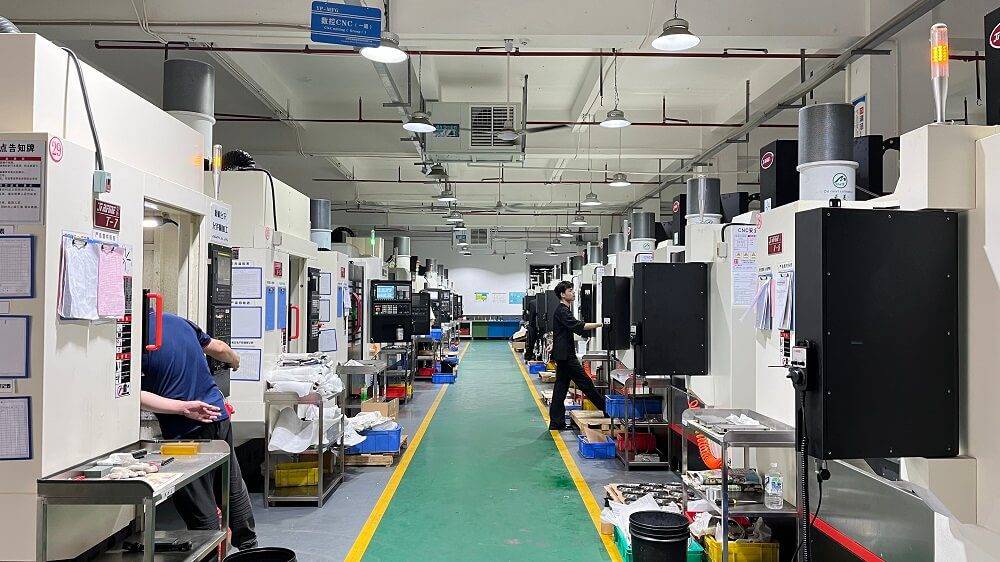
###1. It’s Not Just a Printer: Manufacturing vs. Hobbyist ServicesThe core differentiator lies in intent and capability. Many services offer printing, but not all offermanufacturing-grade output. A true manufacturer approaches your project as part of anindustrial workflow.
They focus on repeatability and traceability. Can they produce your part with the same specifications in six months? Do they have documented processes for material handling, machine calibration, and quality inspection? This mindset is crucial for moving from a one-off prototype to a low-volume production run.
In contrast, a basic printing service may prioritize speed and low cost, often sacrificing the engineering support and rigorous checks needed for functional parts. For CNC machining professionals exploring additive manufacturing, this industrial approach from a partner like YPMFG ensures the part meets the same stringent standards you expect from subtractive processes.
012. Key Selection Criteria for a Capable Partner
Your selection should be driven by your part’s application, not just the printer model. Start with material selection. Does the manufacturer offer engineering-grade polymers (like Nylon, PEEK, ULTEM) or metals (Stainless Steel, Aluminum, Titanium) suitable for your stress and temperature requirements?
Next, evaluate their technical support. Can they provide design for additive manufacturing (DfAM) advice to optimize your CAD file for strength and printability? Will they flag potential warping or stress concentration issues before printing begins? This collaborative engineering stage is where a lot of value is added.
Finally, assess their post-processing capabilities. A part straight off the printer is rarely ready for use. Look for services that expertly handle support removal, heat treatment, surface finishing, and penetrating dye inspections for metals. A manufacturer lacking these secondary operations cannot deliver a finished component.
Capability Checklist for a Manufacturing Partner
023. The Hidden Cost Factors in 3D Printing Manufacturing
The unit price per part is just the starting point. Several factors significantly impact the total cost of ownership. First: material waste. Some processes like Powder Bed Fusion trap unused powder in the build chamber, which you often pay for. Others, like Fused Deposition Modeling (FDM), have minimal waste.
Second, consider design iteration costs. If your initial design fails because it wasn’t optimized for the process, you pay for reprints. Investing in upfront engineering review with your manufacturer can prevent this. Third, factor in secondary processing. A metal part often requires stress relief and machining of critical features, adding cost but ensuring functionality.
Lastly, logistics and minimum order quantities matter. A local manufacturer like YPMFG can simplify logistics for ongoing low-volume production, while an overseas service might have high shipping costs and lead times that negate a lower unit price.
034. A Buyer’s Checklist for Vetting Manufacturers
Don’t just request a quote; qualify the supplier. Use this list to guide your conversations:
1. Application Review: Clearly explain the part’s function, load conditions, and environment. A good manufacturer will ask these questions first.
2. Technology & Material Recommendation: Ask why they recommend a specific process (e.g., SLA vs. SLS) and material for your job.
3. Sample Quality: Request physical samples, preferably in your target material, to assess surface finish and feel the material properties.
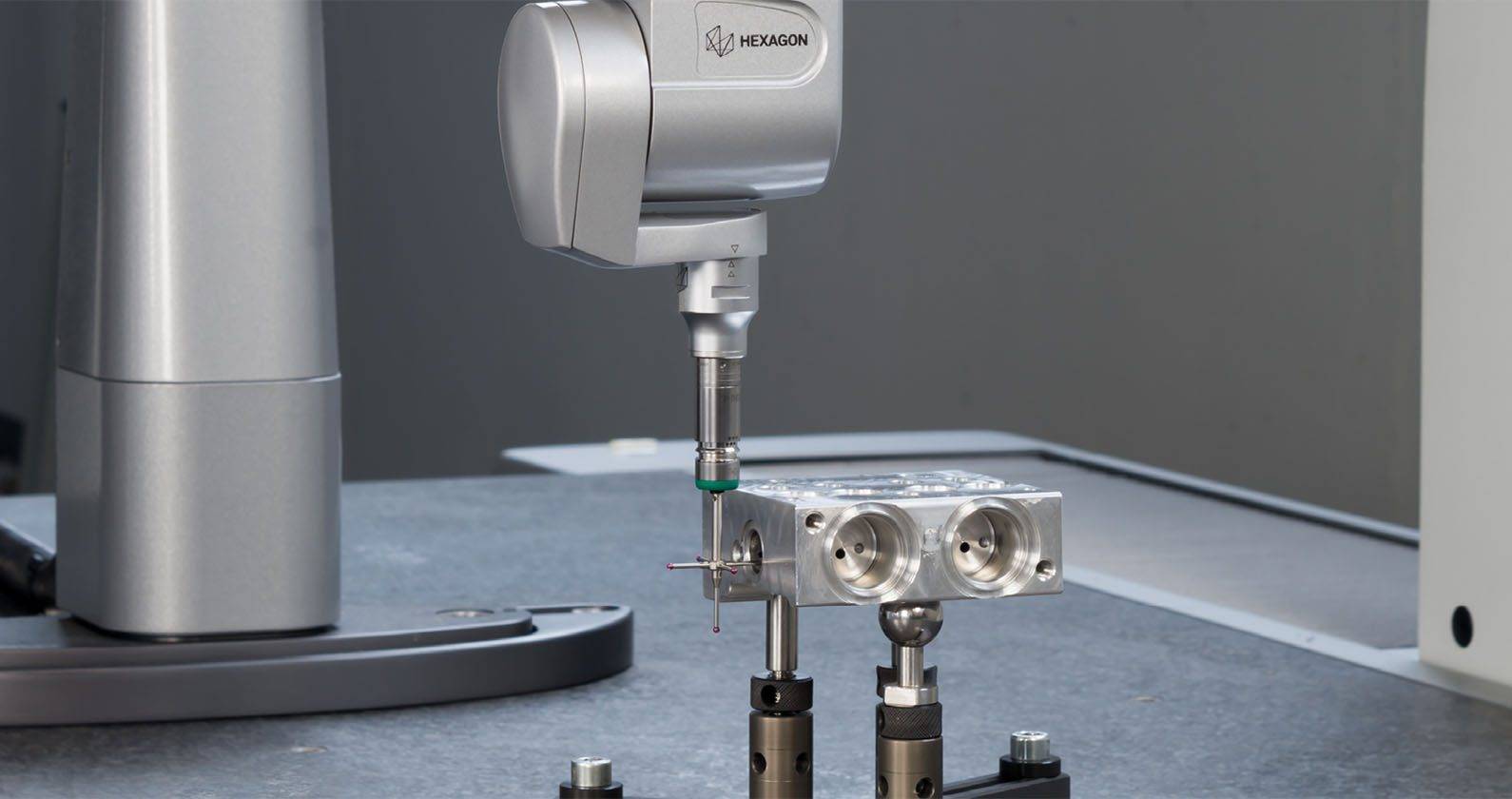
4. Quality Control Process: Inquire about their in-process checks and final inspection reports. Do they use CMM or laser scanning for dimensional verification?
5. File Security & IP: Understand their data handling policies to protect your design files.
6. Scalability Discussion: If volumes may increase, discuss how the process and cost structure might change.
Sending your specifications and 3D files to a potential partner for a comprehensive review is the best way to test their responsiveness and expertise.
045. Common Questions About Sourcing 3D Printed Parts
How accurate are 3D printed metal parts?
Metal parts from processes like DMLS or SLM can achieve tolerances of ±0.1 mm or better, but this depends heavily on part geometry, orientation during printing, and post-process machining. Always discuss critical dimensions with your manufacturer.
Can 3D printing replace CNC machining for small batches?
For highly complex, lightweight, or consolidated assemblies, additive manufacturing is often more cost-effective for low-volume production. For simpler, blocky parts requiring tight tolerances and superior surface finish, CNC machining is usually faster and more economical. They are complementary technologies.
What file format is best?
STL is the universal standard for 3D printing, but it approximates geometry with triangles. For high-precision work, sending a native CAD file (STEP, IGES) allows the manufacturer to generate a more accurate mesh and can facilitate design for additive manufacturing adjustments.
How do I know if my design is printable?
This is where manufacturer expertise is critical. Issues like large overhangs, trapped powder,and thermal stress are not always obvious. A qualified partner will analyze your model and suggest modifications—like adding support structures or changing the build orientation—to ensure a successful print.
Is certification important?
For aerospace, medical, or automotive applications, absolutely. Look for manufacturers with relevant quality management system certifications (e.g., ISO 9001, AS9100). They should provide material certifications and detailed inspection reports for critical parts.
###Choosing the Right 3D Printing Partner for Your ProjectSelecting a3D printing manufacturer is about finding a technical collaborator, not just a vendor. The ideal partner helps you navigate the complex landscape of technologies and materials, ensuring your printed parts perform as intended in the real world. They bridge the gap between digital design and physical, reliable components.
Look for a partner who asks detailed questions about your application from the start. This demonstrates a focus on creating a manufacturing solution, not just fulfilling an order. Their ability to provide guidance on design optimization, material selection, and post-processing is a direct indicator of their manufacturing maturity and commitment to your project’s success.
Need help evaluating a 3D printed part for your next project? You can send your specifications and 3D files to YPMFG for a no-obligation engineering review. Our team, with deep expertise in both CNC machining and additive manufacturing, can advise on the optimal process, material, and design adjustments to meet your performance and budget goals.