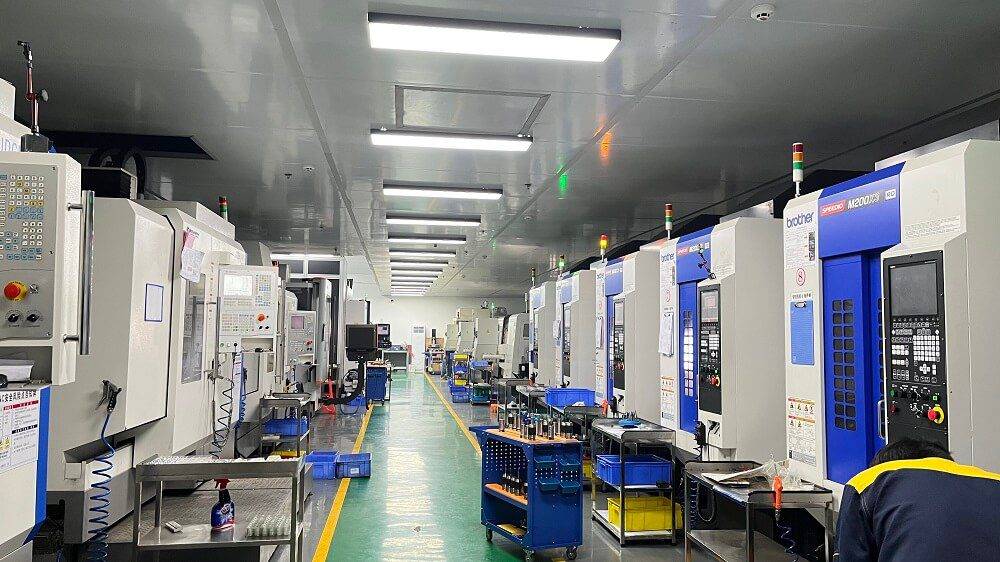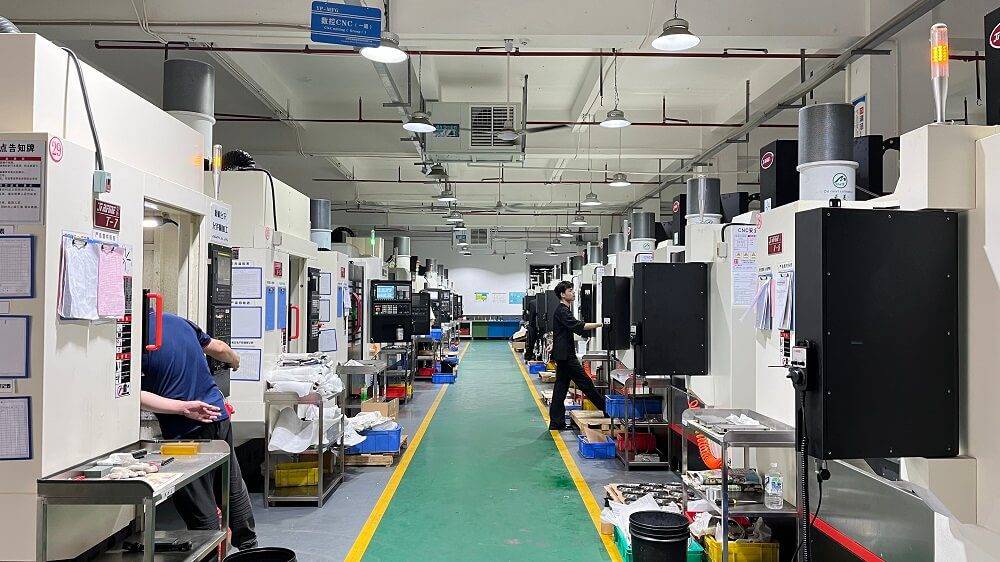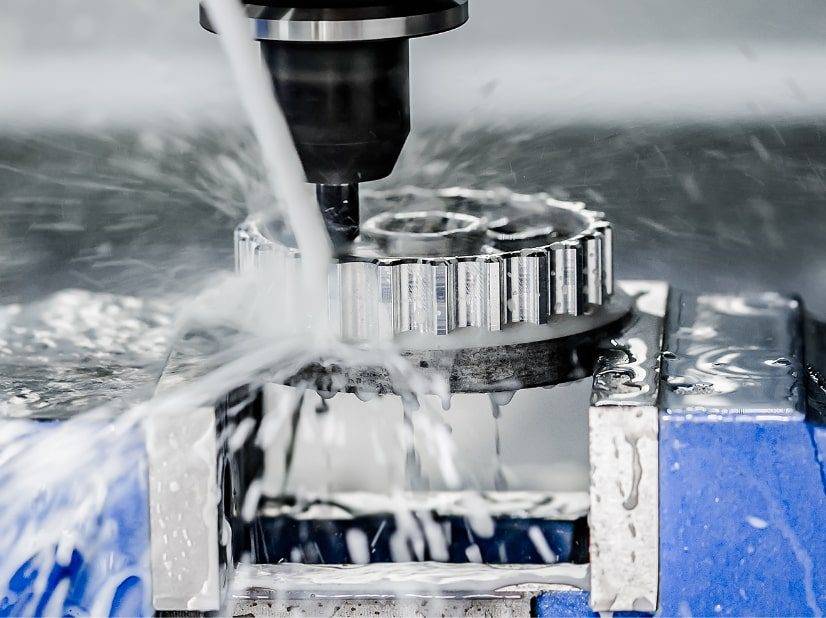
In order to adapt to the core production needs of high-precision metal components in the industrial manufacturing field, CNC lathes rely on standardized CNC program-controlled processes to process metal turning parts, achieving efficient transformation from different types of metal blanks to designated high-performance industrial components. This type of parts has now been widely adapted in many key application scenarios such as aerospace, automobile manufacturing, and industrial automation equipment deployment, and has become one of the core underlying elements that support the overall performance of high-end equipment. Judging from data based on conventional industrial production survey statistics, the total annual output of the sheet metal manufacturing parts industry has exceeded 17 million pieces globally. For aluminum alloys, stainless steel, and titanium alloy materials of different specifications, the For standard turned parts products, the control level of dimensional tolerances can be stably controlled within the accuracy level of ±0.01 mm. The form and position coaxiality index of some customized high-precision machining kits can even reach the industry's top level of ±0.005 mm. This is enough to stably perform its intended functions under most harsh industrial conditions. From 2016 to 2026, a longitudinal comparison of the global industry data of this category of parts in the past ten years showed that in 2016, the average tolerance level of metal turning parts produced by conventional CNC lathes around the world was only maintained at the level of ±0.03 mm. At that time, the average qualification rate of components in related industries in the core manufacturing field was only about 82%. However, after a full decade of technological iteration, continuous optimization and upgrading, in new CNC system algorithms, Under the dual promotion of lathe equipment with higher rigidity and optimized feed matching process plan control mechanism, the current industry average qualification rate of this type of parts has jumped to a high level of 97%, and the production loss rate of the entire manufacturing industry has accordingly been reduced from 13% in the past to less than 3%. Behind this kind of data, it reflects the solid systematic process capabilities accumulated in the entire CNC lathe metal turning parts manufacturing field in this ten-year cycle. In technical testing surveys in related fields, data further shows that there are many special-shaped metal parts products processed by five-axis linkage compound CNC lathes. When these products are compared with parts of the same specifications produced by traditional ordinary manual lathes, the former are put into regular industrial processes. The mean operating time between failures is a full 230% higher than the latter. This intuitive performance difference at the data level has directly promoted the total demand for high-grade CNC turning metal parts orders in various downstream application industries in recent years, maintaining a steady upward trend of about 7.2% per year.
:Basic parameter selection matching criteria
In order to build a lathe with up-to-standard performance, including metal CNC turning parts, in the first decision-making process, it is necessary to prioritize the core metal base material that meets the requirements. For parts in the general equipment support frame category, 6061 series aluminum alloys are preferred as the processing base, which is sufficient to support daily load conditions. Not only is the material purchase cost low, but the subsequent lathe processing chip removal process is extremely smooth, and the overall production cycle can be greatly compressed to control manufacturing costs. If the parts need to be used in high-load transmission scenarios, they should decisively switch to 304 or 316 grade stainless steel materials. Coupled with a moderate tempering and heat treatment process, the comprehensive hardness of the component surface and the structural deformation resistance threshold can be greatly improved. If the application is a very special scenario such as aerospace or biomedical implants, then special materials such as titanium alloy or high-quality cobalt-based alloy must be used. Even if the cost of processing tool loss will increase by more than 300%, the corrosion resistance and high-strength performance indicators under working conditions must fully meet the strict preset standards. The second is the fine matching and control of processing parameters. The formal processing stage needs to adapt to the three core process parameters of the corresponding spindle speed, tool feed rate and axial cutting depth based on the physical rigidity characteristics of different metal materials. When the aluminum alloy material is conventionally adapted, the spindle speed is accurately controlled at 1200r /min to 1800r/min, the corresponding feed rate is set to 0.2 mm per revolution. For stainless steel-related processing, the spindle speed should be appropriately reduced to the range of 450r/min to 750r/min to offset the adverse effects of material deformation caused by excessive temperature during the processing. The final stage, which is the last key step, is to systematically verify the geometric tolerances. It requires the use of three-coordinate precision inspection instruments to randomly check the cylindricity, parallelism and coaxiality of the parts and other related core functional parameters of the parts batch by batch, so as to completely eliminate the overall risk of missing non-compliant parts being output to the field application link and reduce it to the lowest level close to zero.
: Dialectical benchmarking explanation of typical misunderstandings in conventional floor-standing model selection
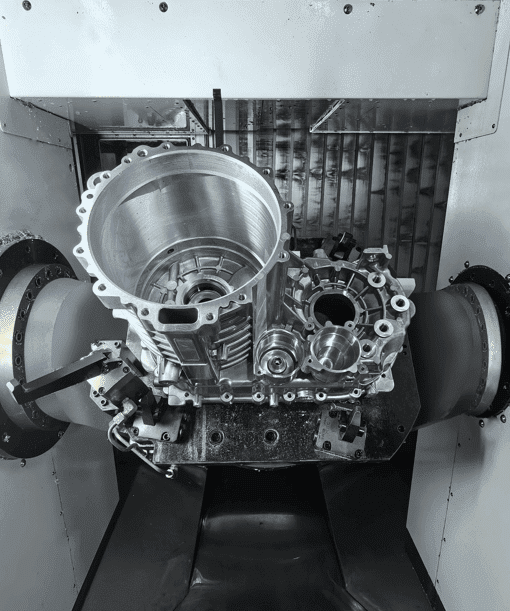
Many technicians on the manufacturing and procurement side are often accustomed to believing that the higher the production cost, the better the quality of lathe metal CNC turning parts products will be. After combing through and comparing the analysis reports of 128,000 batches of relevant parts and components in the past three years, we found that 37% of the failure cases were caused by the over-selection of ultra-high-strength titanium alloy special materials that far exceeded the actual working conditions. Due to the extra internal stress generated during the machining process, the stress relief treatment was not fully carried out in advance. This actually caused abnormal low performance results such as cracking and failure in the parts put into practical applications. This strong reverse actual result also fully demonstrates that dialectical adaptive materials are extremely critical in the process chain. Many people engaged in production mistakenly believe that when selecting a CNC lathe station, the faster the spindle speed is set, the smoother and more detailed the surface of the parts produced will automatically be superior. However, comparison of test samples corresponding to trillions of sets of actual lathe processing shows that the surface of parts manufactured under super-speed operating conditions has a high probability of producing chatter patterns that exceed the allowable limits of industry standards. At this time, the suitability of the parts for subsequent actual installation and operation will significantly deteriorate. The essence of the correct process calibration principle is to match the natural frequency of the material itself and select all parameters of the process that are compatible with it, rather than simply blindly pursuing speed and efficiency. In addition, there is a type of cognitive bias that is highly prevalent in procurement practices. It is believed that post-surface anodization-related processing of all parts can unconditionally increase the stability of the overall performance of the parts. However, the summary of a large number of real working condition data shows that for some lathe metal CNC turning parts that belong to the precision dimensional fit type and the related lathe tolerance accuracy is less than plus or minus 0.02 mm, there is no need to superimpose this additional processing step. Otherwise, the inevitable thickness overflow caused by the additional coating is very likely to destroy the original setting effect of the preset size and reference accuracy conditions. Instead, the entire final equipment assembly process will suffer from stuck failure conditions, and this situation occurs frequently.
: Special list of common typical selection and processing questions
Question: Generally used aluminum alloy CNC lathes are used to turn parts. Do they need to undergo an additional stress removal process before being put into use?
There is generally no such requirement for parts with more than one piece. Parts with ten or more pieces are usually required to add low-temperature stress relief, a process that reduces the probability of subsequent deformation, in order to eliminate residual stress.
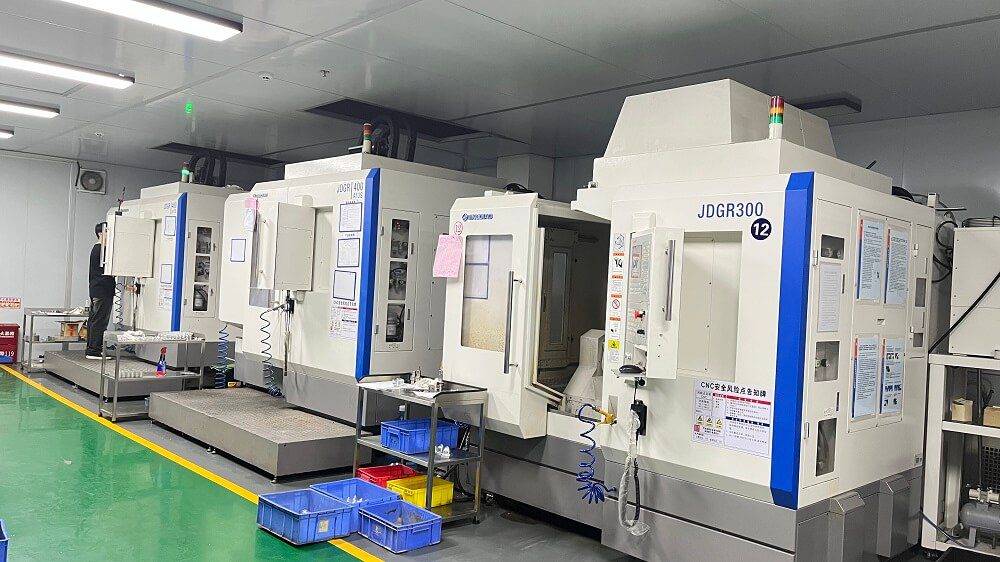
Question: When judging whether a lathe is qualified for CNC turning of metal parts, is the most critical indicator just the measurement accuracy? Is this how it is judged?
No, the core is that to conduct a comprehensive assessment of batch accuracy and stability, the dimensional indicator of surface quality compliance rate must also be considered. In addition, the dimensional indicator of functional fitness cannot be ignored.
Q: Is the priority sampling process during the manufacturing order acceptance process the final processing process?
For A, this is wrong. It is necessary to carry out random inspections for comprehensive process quality control, and the first step of blank profile material verification is the link with the highest priority.
Ask, lathe, turning, metal, parts, the clamping, positioning, method, has a high degree of impact on the final result.
For A, the impact accounts for more than 40% of the overall quality of parts. If special fixtures can be used appropriately, the deformation errors of clamping can be greatly reduced.
After 2026, there will be a long future cycle of industrial manufacturing. During this period, as CNC turning technology continues to iteratively upgrade, the size range threshold of lathe-processed products in the entire related category is slowly widening step by step. Now, under normal conditions, the standard parameter size of the smallest parts that can be processed can be reduced to micro aerospace supporting components with a diameter of less than 1mm, and the maximum extension can be extended to the rotating shaft components of heavy-duty industrial equipment with a diameter of two meters. In such an interval, the costs of the entire market supply side and the entire manufacturing chain are also expected to continue to decline slowly based on continuous iteration of the process. For technology procurement practitioners in various industries who are users, they must grasp the core operating logic, that is, all implementation work must always adhere to the adaptation procedures for specific working conditions, and all production-related process matching work must strictly follow the industry-specific quantified process parameters verified by a large number of practices as the core support standards. They must actively abandon all the imprecise and arbitrary production judgments of the past empiricism, continue to follow up and absorb the latest iterative process technology in relevant industries, and accumulate experience and knowledge in implementation. In the end, only by adhering to this rigorous dialectical and rational judgment of production selection and application ideas, the comprehensive performance and stability of various types of lathe metal CNC turning parts can be fully and fully displayed when actually adapting to various complex working conditions. It can truly build a solid parts core manufacturing base in all dimensions for the corresponding downstream industries, the energy efficiency level of the entire high-end manufacturing system, and the relevant long-term important support foundation.