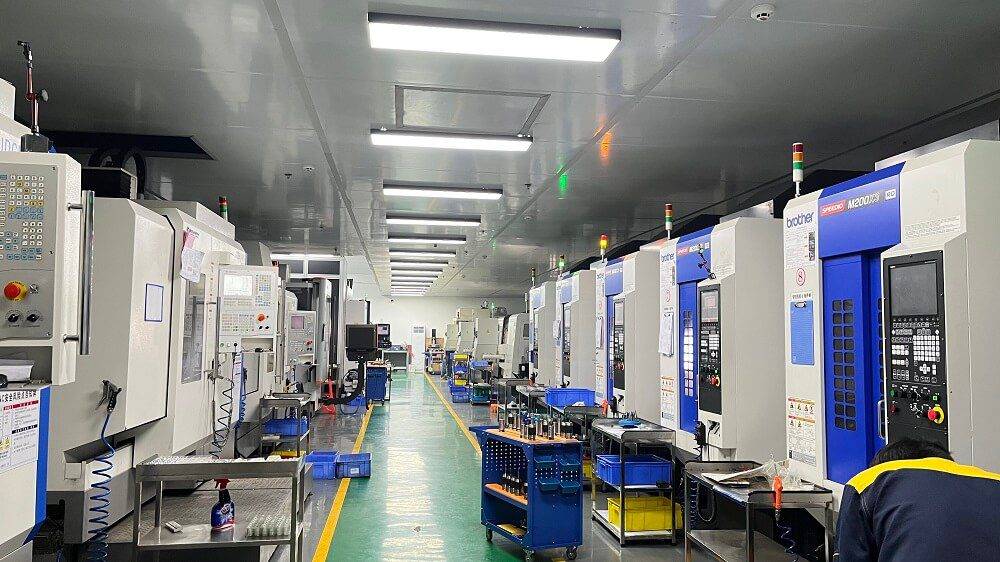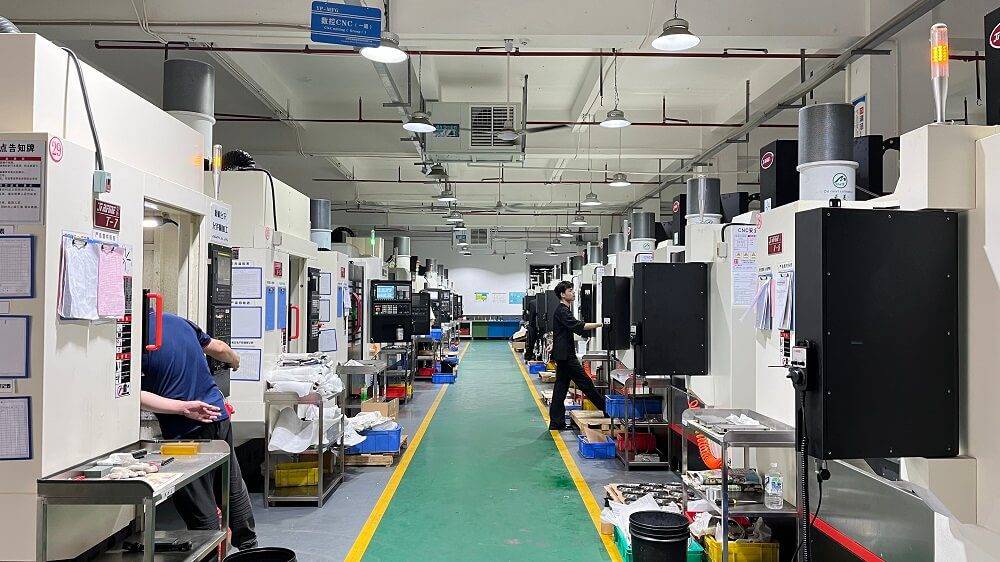
Aluminium CNC service refers to the computer-controlled machining of aluminium parts through processes such as milling, turning, drilling, and 5-axis cutting. It is widely used for projects that require lightweight materials, tight tolerances, and consistent production quality. This guide explains how to choose the right CNC machining supplier, understand precision capabilities, and manage production costs more effectively. At YPMFG, the focus is on providing clear and practical manufacturing information rather than unnecessary brand promotion, helping buyers make better decisions with confidence.
1. Core Capabilities of Standard Aluminium CNC Service
A qualified aluminium CNC service must offer the following operations with verified tolerances:
CNC Milling (3-axis, 4-axis, 5-axis): For complex geometries, undercuts, and contoured surfaces. Standard tolerance: ISO 2768-m (general) or better.
CNC Turning: For cylindrical components, bushings, and threaded parts. Typical tolerance: ±0.005 mm.
Drilling & Tapping: For holes, counterbores, and metric/imperial threads.
Post-Processing Options: Deburring, anodising (Type II or III), bead blasting, and chemical film (Alodine).
2. Precision and Surface Finish: What You Must Specify
Aluminum is prone to burr formation and thermal distortion. To achieve a professional result, your service provider must meet these minimum standards:
Common case: A drone manufacturer requested 1000 units of an aluminium chassis frame. The first supplier used worn tools, resulting in raised edges (burrs) that shorted the circuit board. The second supplier, following a proper toolpath strategy and final vibratory finishing, delivered burr-free parts at the same price.
3. Aluminium Alloys Used in CNC Service
Not all aluminium grades machine the same way. For structural or cosmetic parts, these are the industry standards:
6061-T6: Most common, excellent corrosion resistance,good machinability. Ideal for automotive, consumer electronics, and jigs.
7075-T6: Aerospace grade, very high strength (similar to steel), but lower corrosion resistance. Use for high-stress brackets and mounts.
5052-H32: Superior formability and weldability. Best for sheet metal enclosures and fuel tanks.
2024-T4: High fatigue resistance. Used for aircraft structures but difficult to anodise.
4. How to Evaluate an Aluminium CNC Service Provider
Apply the EEAT (Experience, Expertise, Authoritativeness, Trust) framework directly:
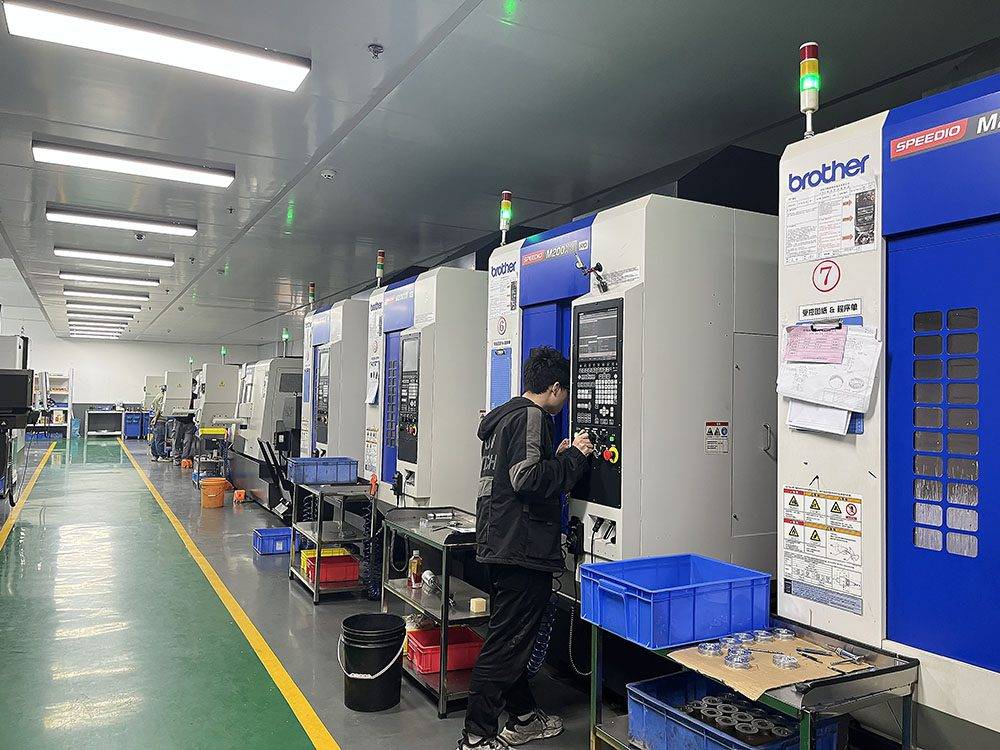
Experience: Ask for case studies of similar aluminium parts (not just general machining).
Expertise: Does the provider specify tooling (e.g., single flute for aluminium), coolant type, and chip evacuation method?
Authoritativeness: Does the facility hold ISO 9001:2015 or AS9100D (aerospace)? Request their latest certificate.
Trust: Request a sample run (5-10 parts) before full production. Verify material certificates (mill certs) for the aluminium stock.
5. Cost Drivers in Aluminium CNC Service
Understand what you pay for. The largest factors are:
Setup time: Complex parts require more fixture design. (30-40% of total cost)
Machine time: 5-axis is 2-3x more expensive per hour than 3-axis.
Surface finish: Secondary operations (anodising, polishing) add 15-25%.
Quantity: Tooling cost amortises over volume. 10 parts cost nearly as much as 100 parts in setup.
Actionable advice: To reduce cost, combine multiple features into one setup, relax tolerances on non-critical faces (e.g., from ±0.01mm to ±0.1mm), and choose 6061 over 7075 unless absolutely required.
6. Quality Verification Before You Accept Parts
Do not assume your parts are correct. Request these three deliverables with every order:
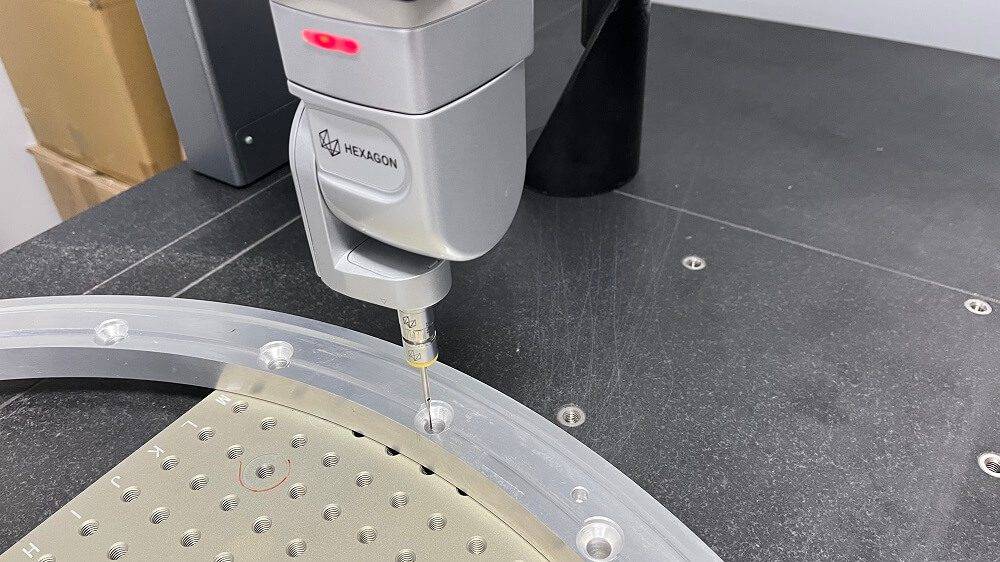
1. CMM report with measurements on at least 3 critical dimensions.
2. Surface finish photo under directional light to reveal tool marks.
3. First article inspection (FAI) for prototype quantities.
Conclusion: A reliable aluminium CNC service is defined by verified tolerances, proper alloy selection, and a clear quality control process. Suppliers without ISO certification, CMM inspection equipment, or a documented deburring procedure are more likely to deliver inconsistent parts, especially in batch production. Before moving into full production, always request a sample, confirm your tolerances in writing, and check the required surface finish. Applying the same checklist to every supplier helps reduce costly rework, delays, and quality risks. For aluminium CNC projects, YPMFG also recommends clarifying these details early so the final parts are easier to control and validate.