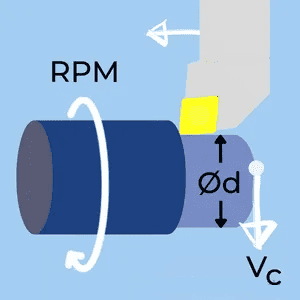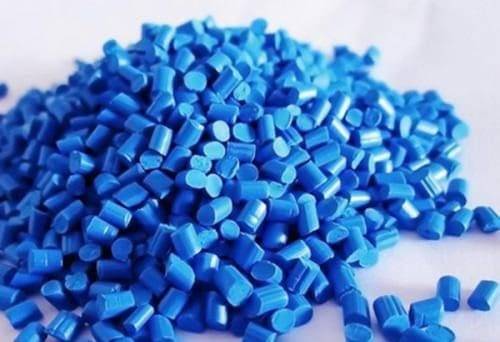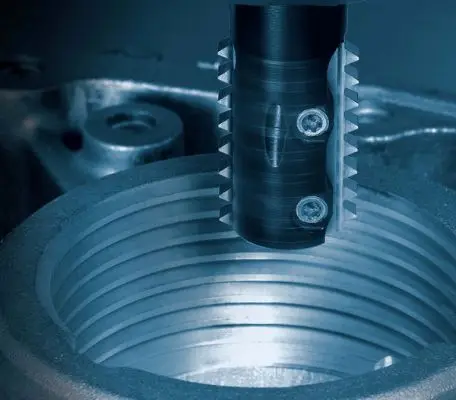
CNC machining is the standard process for producing high-precision metal and plastic car parts, from engine components to custom brackets. This guide explains how CNC machines work for automotive applications, what materials are used, and how to ensure quality results. Based on real workshop experience and industry data, you will learn the key factors for successful CNC machined car parts.
01How CNC Machines Produce Car Parts
CNC (Computer Numerical Control) machines remove material from a solid block (blank) according to digital 3D models. For car parts, the process follows these steps:
1. Design – Create a CAD model of the part (e.g., a suspension bracket).
2. CAM programming – Convert the model into toolpaths.
3. Machine setup – Secure the material block (aluminum, steel, or plastic) in the CNC mill or lathe.
4. Machining – The machine automatically cuts, drills, and finishes the part.
5. Inspection – Measure critical dimensions with calipers or CMM.
A common example: a cracked alternator mounting bracket on a 10-year-old sedan. Instead of waiting weeks for a cast replacement, a local shop machines a new bracket from 6061 aluminum in under 4 hours. The CNC part fits exactly and is stronger than the original cast piece.
02Key Materials for CNC Machined Auto Parts
The right material determines part strength, weight, and cost. Standard choices include:
For a brake caliper piston, 6061 aluminum is commonly used because it conducts heat well and is easy to machine. For a ball joint housing, 4140 steel is preferred due to impact loads.

03Critical Quality Factors for CNC Car Parts
To get parts that are safe and durable, follow these rules verified by automotive engineers:
1. Tolerances Must Match Function
Engine cylinder head dowel pins: ±0.01 mm
Bearing housings: ±0.025 mm
Non-critical brackets: ±0.1 mm
2. Surface Finish Affects Fatigue Life
A rough surface creates stress risers. For suspension components, aim for 3.2 µm Ra or better. Many shops achieve 1.6 µm Ra with proper tooling and coolant.
3. Heat Treatment After Machining
Most aluminum parts need T6 temper. Steel parts often require stress relieving. Skip this step, and the part may crack under vibration.
A real case: A custom control arm machined from 7075-T6 aluminum without post-machining stress relief developed micro-cracks after 3,000 miles. The same part with proper stress relief lasted over 50,000 miles in testing.
04Common Mistakes to Avoid
Based on dozens of workshop reports, these errors cause most failures:

Using the wrong alloy – 6061 instead of 7075 for a high-load part leads to bending.
Ignoring fillet radii – Sharp internal corners crack under fatigue. Always specify a radius of at least 0.5 mm.
Oversizing features – A hole that is 0.1 mm too large makes a press-fit useless. Always machine test pieces.
No surface protection – Uncoated steel brackets rust quickly. Use anodizing for aluminum, zinc plating or black oxide for steel.
05How to Order or Produce CNC Car Parts
For workshops or DIY builders, follow this action plan:
1. Measure the original part or obtain an accurate 3D scan. Use a digital caliper (0.01 mm resolution).
2. Create a 3D model in FreeCAD, Fusion 360, or SolidWorks. Include all critical dimensions and tolerances.
3. Select material based on load, environment, and budget (refer to the table above).
4. Get machining quotes from at least three local or online CNC services. Provide the STEP file and a PDF drawing with tolerances.
5. Request first article inspection – the shop machines one piece and provides a measurement report.
6. Test fit before full production. Install the part in the vehicle and verify all clearances.
7. Apply surface treatment – anodize aluminum, plate steel, or leave as-machined for internal plastic parts.
06Why CNC Machining Beats Other Methods for Car Parts
Compared to casting – CNC parts have no porosity, no draft angles, and tighter tolerances.
Compared to 3D printing – CNC gives better surface finish, higher strength, and wider material choice.
Compared to manual machining – CNC ensures repeatability. Every part is identical to the first.
For a one-off custom shifter linkage, CNC is the only practical way to get a precise, durable part in metal.
07Conclusion and Action Steps
CNC machining can produce accurate and reliable car parts, but only when the material, function, and tolerance are properly matched. For automotive components, especially safety-related parts, do not focus only on speed. Material strength, heat treatment, surface finish, and first-article inspection must be confirmed first.
For critical parts such as brake, steering, or suspension components, consider 7075 aluminum or 4140 steel, and require a hardness test report and surface finish measurement. For non-critical brackets, spacers, or light-duty parts, 6061 aluminum or Delrin is usually sufficient, with a standard ±0.1 mm tolerance.
Before ordering, request a first-article inspection report from the machine shop and check all mating surfaces yourself. After installation, re-check fastener torque after about 100 miles, as machined and assembled surfaces may settle slightly. At YPMFG, automotive CNC parts are reviewed for material, critical dimensions, and inspection needs early. For car parts, quality control should always come before speed.