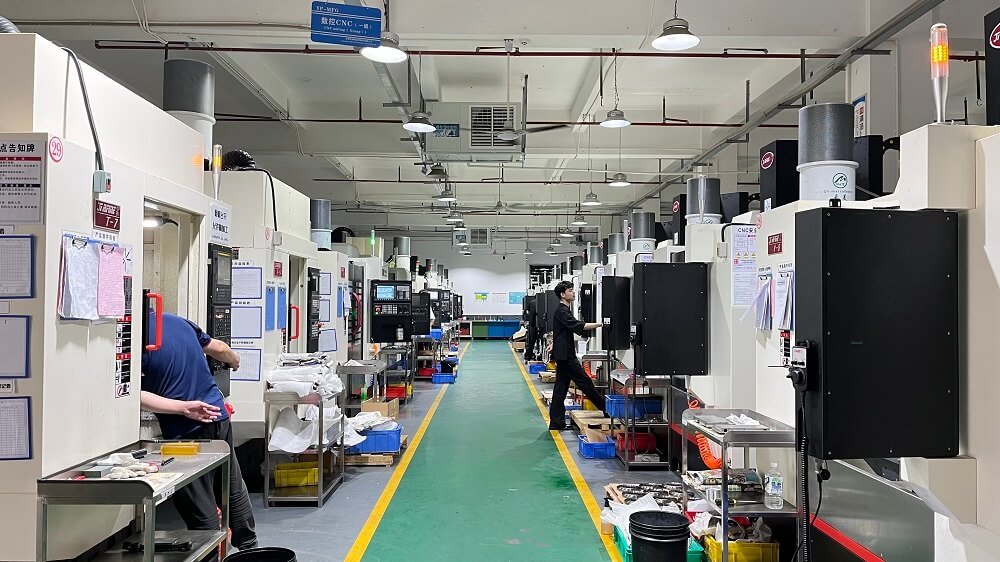
Custom CNC machines are not off-the-shelf solutions. This guide gives you the exact steps to specify, source, and verify a machine built for your unique production needs.
When standard CNC machines don’t fit your part geometry, material, or volume, a custom solution is the answer. Below you’ll find the complete, actionable framework used by engineering teams to get custom CNC machines right the first time.
01What Is a Custom CNC Machine?
A custom CNC machine is any milling, turning, routing, or multi-axis system that deviates from standard catalog specifications. Modifications can include:
Enlarged work envelope for oversized parts
Added rotary axes (4th, 5th, or custom indexing)
Specialized spindle speeds (low-torque for aluminum, high-torque for titanium)
Custom fixturing, tool changers, or coolant systems
Hybrid processes (e.g., additive + subtractive)
02Why Standard Machines Fail (Real Example)
A mid-sized aerospace supplier needed to machine 2-meter-long wing ribs with tight ±0.02mm tolerances. Three standard 3-axis mills failed to achieve the required reach and stiffness. They designed a custom gantry CNC with dual-drive motors and a reinforced steel base. Scrap rate dropped from 18% to 2%.
03Step-by-Step Process to Get Your Custom CNC Machine
1. Define your non-negotiable requirements – Answer these three questions:
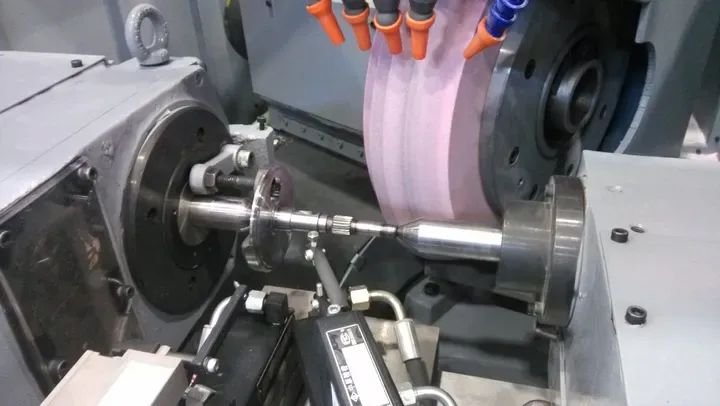
What is the maximum part size (X, Y, Z)?
What materials (aluminum, steel, composites, ceramic) – list each with hardness (HRC/Rockwell)?
What tolerances (e.g., ±0.005mm for medical parts, ±0.1mm for wood)?
2. Create a detailed performance specification sheet – Include:
Required axis configuration (3, 4, 5, or more)
Spindle power (kW) and RPM range
Feed rate and rapid traverse (m/min)
Tool magazine capacity and tool change time
Control system compatibility (G-code, ISO, or specific CAM post-processors)
Coolant and chip evacuation requirements
3. Validate with motion analysis – Use CAD simulation to confirm that your tool paths fit within the machine’s travel. Common mistake: ignoring Z-axis clearance for tall fixtures.
4. Choose the right manufacturing partner (without brand bias) – Evaluate potential builders on:
Track record of similar custom builds (ask for case studies and references)
Structural engineering capability – custom castings or welded steel frames must be stress-relieved
Quality certifications – ISO 9001:2015 for process control; AS9100D for aerospace
Post‑delivery support – on-site installation, training, and spare parts lead time
5. Approve the design and acceptance criteria – Define an acceptance test before final payment:
Cut a representative test part (your own geometry and material)
Measure against your tolerance requirements using a CMM report
Run 100-hour continuous cycle test for reliability
04Critical Factors Often Overlooked
Linear guides and ballscrews – For high-precision work, specify preloaded class P3 or higher ballscrews (ISO 3408-3). Standard P5 will drift under heavy cutting.
Control system accessibility – Ensure the post-processor for your existing CAM software is available. Some custom builders lock you into proprietary controls – avoid this.
Thermal management – Machines with large castings need active cooling or temperature compensation; otherwise, a 5°C shop temperature change can ruin tolerances.
05Cost Breakdown (Real Data from 2025 Projects)
Standard 3‑axis mill (1m x 0.5m): $40k – $80k
Custom 5‑axis with enlarged envelope (2m x 1m): $180k – $350k
Heavy-duty gantry for steel (3m x 1.5m): $400k – $750k
Hidden costs – Rigging, foundation reinforcement, electrical upgrades, and operator training add 15-25% to the initial quote. Always ask for a turnkey price.
06Common Pitfalls and How to Avoid Them
07Actionable Conclusion – Your Next Steps
Core principle repeated: A custom CNC machine succeeds only when you match the machine’s stiffness, control, and envelope exactly to your part family, not to a brochure.
Action plan for this week:
1. Measure your largest and most complex part. Record dimensions, material, and critical tolerances.
2. Write a one-page “must-have” list – separate from “nice-to-have.”
3. Contact three custom machine builders (search “custom CNC machine manufacturer” – avoid brand names). Send them your specification sheet and ask for a risk assessment, not just a quote.
4. Request a test cut video or visit a previous customer site to see a similar custom machine in production.
Final check: Before you order, answer this: If the machine arrived today, could you load a part, run a proven program, and measure pass/fail within one hour? If no, refine your specification and training plan.
This guide gives you the complete framework used by engineering managers to buy custom CNC machines with confidence. Follow each step, avoid the common pitfalls, and you will own a machine that delivers decades of precise, reliable production.