Corrosion is a common issue affecting various materials and structures, shortening their service life and potentially leading to serious safety hazards. To overcome this problem, scientists and engineers have developed a range of corrosion-resistant materials designed to withstand the destructive effects of various corrosive agents.
In this article, we will explore top-performing corrosion-resistant materials and the properties that define them. From traditional materials like stainless steel to more advanced solutions such as ceramic coatings, we will discuss the advantages and disadvantages of each material, highlighting the areas where they are best suited for use.
Table of Contents
What are Corrosion-Resistant Materials?
Corrosion is a natural process that occurs when materials react with their environment (such as air, water, or other substances), leading to deterioration in their properties and structural integrity. Corrosion-resistant materials are designed to resist this process through protective surface coatings or chemical compositions that do not react with the environment. Examples include stainless steel, aluminum, titanium, and certain plastic materials. These materials are commonly used in applications where durability, longevity, and safety are critical, such as in construction, infrastructure, and transportation.
The Difference Between Corrosion and Rust
Corrosion and rust are related but distinct processes. Corrosion is a general term describing the degradation of materials due to reactions with their environment. This can occur through chemical, electrochemical, or other processes and may result in the loss of material properties and failure over time.
Rust, on the other hand, is a specific type of corrosion that occurs when iron or steel reacts with water and oxygen to form iron oxide (rust). This process is common in outdoor environments and causes significant degradation of the metal over time.
In summary, rust is a form of corrosion that particularly affects steel, while corrosion is a broader term encompassing various forms of material degradation.
What is a Corrosion Reaction?
A corrosion reaction is a chemical reaction that occurs between a material and its environment. Corrosion reactions can be triggered by various factors, such as moisture, high temperatures, and mechanical stress. The specific reaction that occurs depends on the type of material, the corrosive environment, and other factors.Typically, a corrosion reaction involves the transfer of electrons from the material to the environment, resulting in the formation of oxides or other compounds on the material’s surface. This process weakens the material and ultimately leads to its failure.Generally, the corrosion rate is influenced by multiple factors, including the material’s composition, the temperature and humidity of the environment, the presence of corrosive substances, and the level of mechanical stress. Understanding the factors affecting corrosion reactions is crucial for predicting and mitigating corrosion in practical applications.
What Makes a Material Corrosion-Resistant?
A material is considered corrosion-resistant if it can withstand the damaging effects of a specific environment. Several factors influence a material’s corrosion resistance:
1. Chemical Composition: Certain materials possess inherent corrosion resistance due to their chemical composition. For example, stainless steel contains chromium, which forms a protective oxide layer on its surface, preventing further corrosion.
2. Passivation: Certain materials, like stainless steel, form a protective oxide layer on their surface when exposed to air or water, preventing further corrosion. This process is called passivation.
3. Coatings: Applying protective coatings to components, such as paint or galvanized layers, creates a barrier between the material and the environment, reducing the likelihood of corrosion.
4. Electrochemical Resistance: Some materials exhibit high resistance to electrochemical reactions, preventing corrosion. For example, aluminum possesses a high electron transfer potential, making it less susceptible to corrosion.
5. Mechanical Properties: Certain materials possess mechanical properties, such as high strength and toughness, that make them less prone to corrosion.
Ultimately, the optimal corrosion-resistant material for a specific application depends on several factors, including the corrosive environment, required mechanical properties, and cost considerations.
What is the Best Corrosion-Resistant Material?
The best corrosion-resistant material depends on the specific application and the type of corrosion the material will encounter. Some of the most commonly used corrosion-resistant materials include:
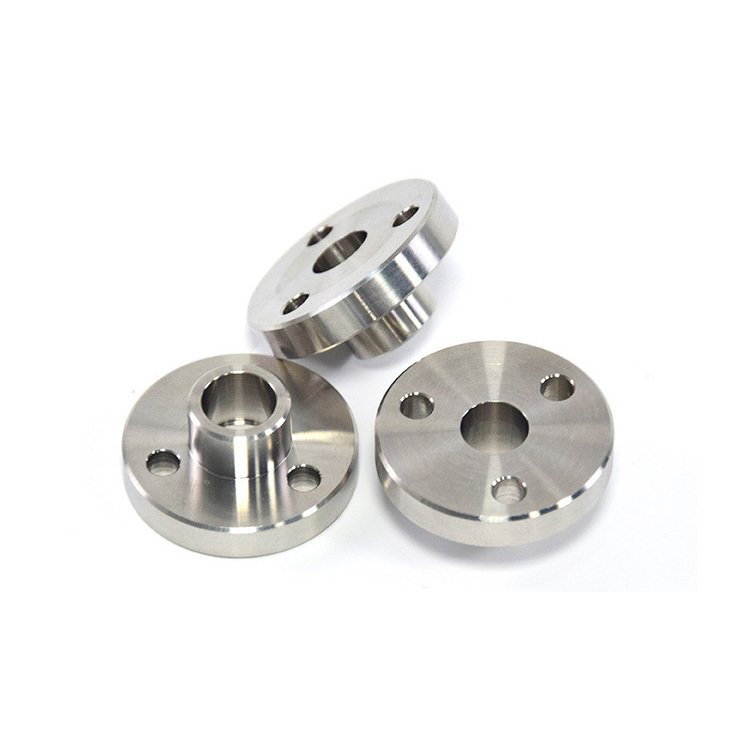
Stainless steel is an umbrella term encompassing a wide range of corrosion-resistant metals. The degree of corrosion resistance depends on the alloy’s elemental composition. Specific chemical resistance also varies with the metal’s chemical properties. The key mechanism for stainless steel’s corrosion resistance is the formation of a chromium oxide passivation layer on its surface, which provides exceptional corrosion resistance.
Stainless steel can be categorized into three main types based on microstructure:
Austenitic Stainless Steel: This series of alloys is commonly referred to as 300 series stainless steel. Typical grades include 304 and 316 stainless steel, with 316 being the most corrosion-resistant. The elemental composition includes approximately 18% chromium and 8% nickel. Additionally, it contains small amounts of nitrogen and manganese. Austenitic stainless steel is the most common corrosion-resistant metal on the market.
Martensitic stainless steel: This series of alloys is commonly known as the 400 series stainless steel, with 420A being a common grade. This steel alloy also contains 18% chromium but no nickel, featuring higher carbon content and greater hardness than other corrosion-resistant metals in the stainless steel family. However, this alloy is not as corrosion-resistant as 300 series steel.
Ferritic Stainless Steel: This alloy is also part of the 400 series stainless steels. The most common grade is 430A. However, ferritic stainless steel has a significantly higher chromium content, up to 27% (to enhance elasticity), but a lower carbon content (making it more ductile).
Duplex Stainless Steel: Duplex steel is a steel alloy containing two distinct phases, hence its name. Common phases are ferritic and austenitic. Duplex steel derives optimal properties from both phases, combining them into an advanced corrosion-resistant metal for the most demanding applications. Typical grades include 2205 (containing 22% chromium, 5% nickel, and 3% molybdenum) and S32750 (containing 25% chromium, 7% nickel, and 4% molybdenum).
2. Superalloys
Superalloys refer to specially formulated high-performance metals that deliver exceptional mechanical properties and corrosion resistance at elevated temperatures. This is why these grades of corrosion-resistant metals are frequently used in aerospace and energy applications. Superalloys are distinguished by their primary matrix element.
Nickel-based superalloys: Nickel-based superalloys offer high strength and outstanding corrosion resistance. These superalloys are typically less expensive than cobalt-based alloys and represent the most common type of superalloy.
Cobalt-based Superalloys: Compared to other superalloys, cobalt-based superalloys possess higher melting points, resulting in superior thermal corrosion resistance.
Iron-based Superalloys: Iron-based superalloys exhibit high strength and corrosion resistance at room temperature. They are also significantly less expensive than the other two types of superalloys.
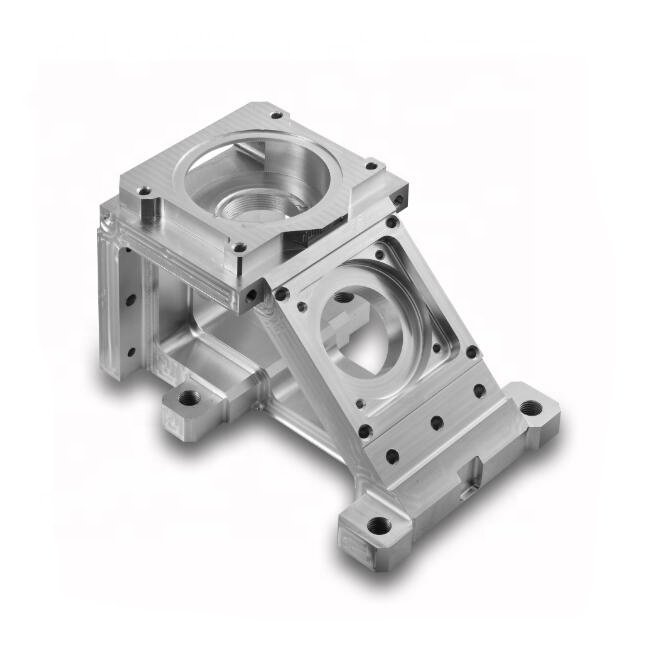
Aluminum possesses good corrosion resistance and forms a passivating oxide layer on its surface, enabling it to resist corrosion. Most aluminum grades exhibit strong chemical resilience, but 1xxx, 3xxx, and 5xxx series aluminum are the most corrosion-resistant metals in the aluminum family. They are particularly resilient within a pH range of 4.5 to 8.5.
1xxx Series: This aluminum grade contains 99% high-purity aluminum and offers optimal corrosion resistance in standard applications.
3xxx Series: Manganese is the primary alloying element in this series. This makes its corrosion resistance slightly lower than 1xxx aluminum. However, it is a highly ductile material, making it ideal for cold-forming applications requiring good corrosion resistance.
5xxx Series: Magnesium is the primary alloying element in this aluminum grade, offering corrosion resistance similar to 3xxx aluminum.
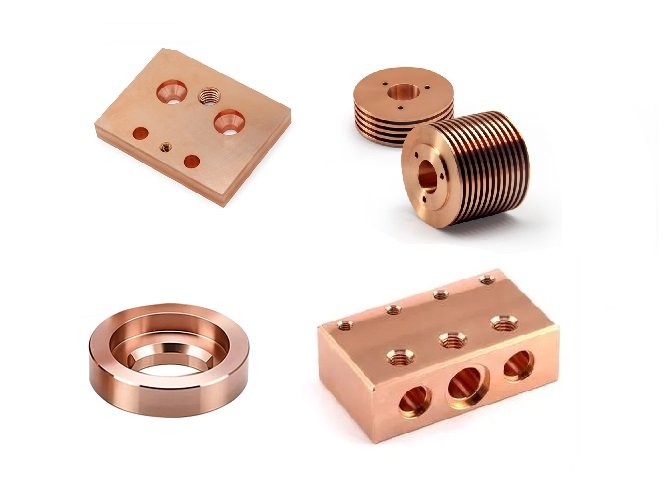
Copper possesses excellent corrosion resistance and is often incorporated into other metal alloys to enhance overall corrosion resistance. Below are some of the most common corrosion-resistant metals within the copper alloy family.
Bronze: This copper alloy features tin as its primary alloying element. It is particularly suitable for applications involving seawater exposure. Adding small amounts of silicon to the alloy significantly improves corrosion resistance.
Brass: This copper-zinc alloy is extremely common. Adding small amounts of tin also increases its overall corrosion resistance, while higher zinc content reduces it. Brass also has a lower melting point than pure copper or bronze.
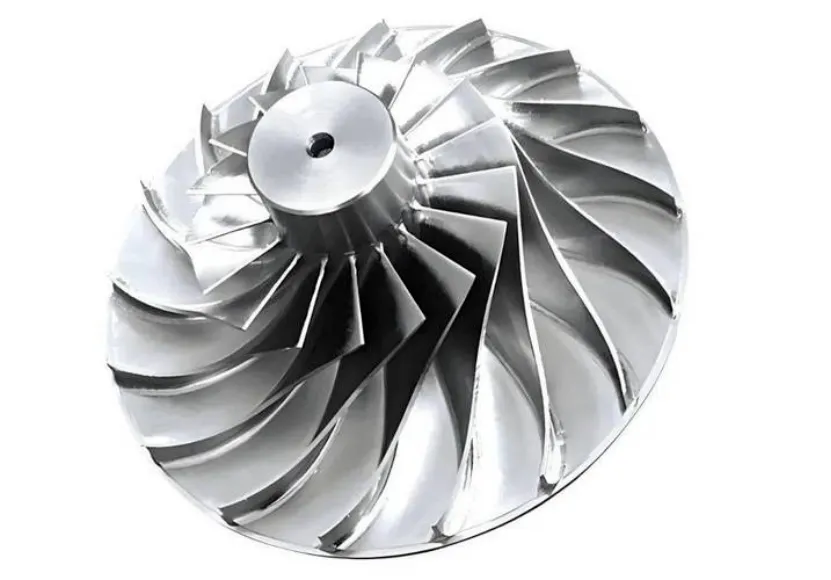
Titanium is widely used in the aerospace industry due to its strength-to-weight ratio, but its corrosion resistance also makes it ideal for certain industrial applications. Like many other metals, titanium’s corrosion resistance stems from the passivating oxide layer that forms on its surface. If this oxide layer is stripped away, it can rapidly reform in the presence of oxygen or moisture. Titanium exhibits unique resistance to chlorine solutions, making it a widely used corrosion-resistant metal in applications involving these chemicals (commonly referred to as the chlor-alkali industry).
6. Galvanized Steel
Coating steel with zinc creates a “sacrificial anode” protection mechanism, effectively preventing oxidation corrosion of the steel substrate. Its low cost and ease of processing make it an economical corrosion-resistant material for building structures, bridges, automotive chassis, and similar applications.
7. Nickel-Chromium-Iron Alloys
These high-performance alloys (e.g., Inconel, Hastelloy) maintain structural integrity and chemical stability under extreme temperatures, pressures, and corrosive conditions. They are extensively used in chemical processing equipment, gas turbines, and nuclear power facilities.
8. Ceramics and Coatings
Ceramic materials inherently possess outstanding chemical inertness and high-temperature resistance. Applying ceramic coatings (such as alumina or zirconia) via spraying or deposition onto metal or composite surfaces significantly enhances surface corrosion resistance and wear resistance. This technology is particularly prevalent in aircraft engine blades, medical devices, and high-temperature reaction vessels.
Conclusion
Selecting the appropriate corrosion-resistant material for a specific application depends on various factors, including the type of corrosion the material will face, the required mechanical properties, and cost considerations. The materials discussed above represent some of the best-performing corrosion-resistant materials available, offering protection against degradation in corrosive environments.
However, it is important to remember that no single material is best suited for all applications and environments. The selection of corrosion-resistant materials should be based on a comprehensive assessment of the specific requirements of the application. By considering various options and collaborating with experts in the field, an optimal corrosion-resistant material can be chosen to provide lasting protection against degradation.
Contact our team of engineers to learn more about using corrosion-resistant materials. The selection of corrosion-resistant materials will depend on the application, including the corrosive environment, required mechanical properties, and cost considerations.