
Quick answer:
Turning and machining precision parts from steel is a subtractive manufacturing process where a cutting tool removes material from a rotating steel workpiece to achieve tight tolerances, specific geometries, and surface finishes. This method is commonly used for shafts, bushings, pins, and other cylindrical components in industries like automotive, aerospace, and hydraulics. The choice of steel grade, tooling, and machine setup directly affects part quality,production cost, and lead time. Buyers must evaluate tolerance requirements, material hardness, and surface finish specifications to avoid costly rework or performance failure.
When sourcing precision steel components, the challenge often lies not in the machining itself but in aligning design expectations with production reality. Many buyers underestimate how material selection, tool wear, and coolant type affect dimensional stability. Without clear communication of critical features—such as thread pitch, concentricity, or edge break—parts can fall out of spec. This is where a partner like YPMFG helps bridge the gap between engineering drawings and manufacturable results.
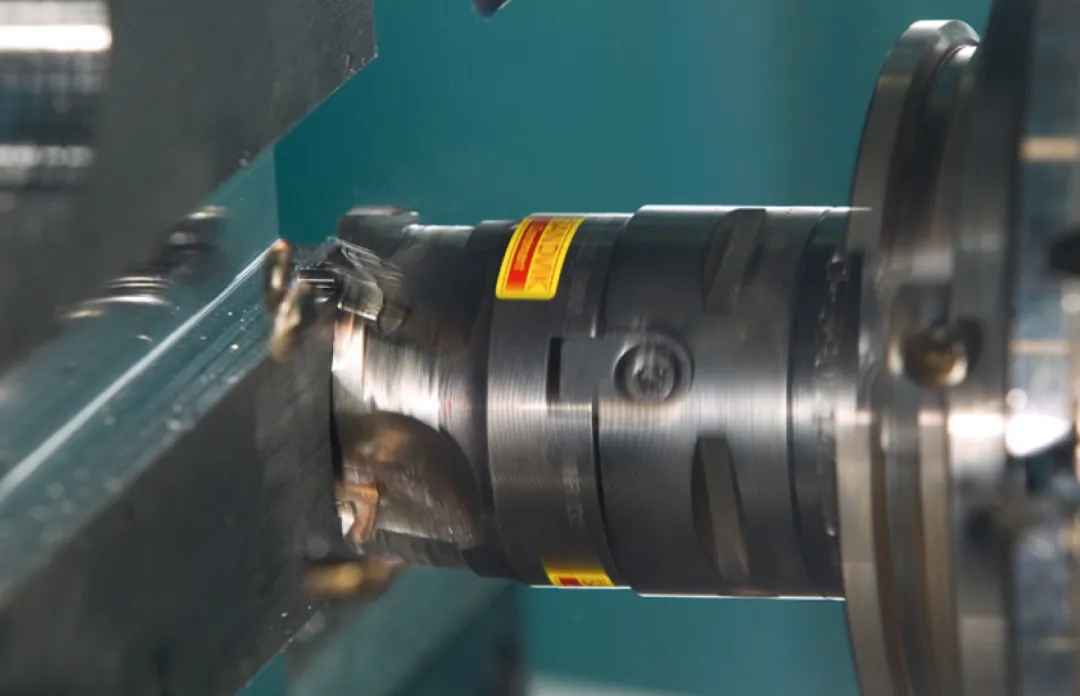
Turning and machining precision parts steel refers specifically to using a lathe or CNC turning center to shape steel workpieces into accurate components. The workpiece rotates while a stationary cutting tool removes material along defined axes. This process differs from milling, where the tool rotates and the workpiece remains stationary. Turning is ideal for producing symmetrical, cylindrical parts such as shafts, rings, and flanges. The precision of the final part depends on spindle speed, feed rate, tool geometry, and the rigidity of the machine setup. Steel, being harder than aluminum or plastic, requires slower speeds and more robust tooling. Not all steel grades machine the same way. Buyers should understand how grade selection affects machinability, cost, and part performance. For applications requiring wear resistance or higher strength, choose a pre-hardened or stress-relieved grade. YPMFG advises matching the steel grade to both the functional load and the machining process to balance cost and machinability without sacrificing part integrity. To get accurate quotes and avoid misunderstandings, provide clear specifications in your RFQ. Missing details often lead to price increases or rejected parts. Critical parameters include: Tolerance range: For example, ±0.001 inch versus ±0.005 inch affects machining time and scrap rate Surface finish: Ra values from 0.4 µm to 3.2 µm require different tooling and feed rates Thread standards: Specify UNF, UNC, metric, or custom pitch Heat treatment requirements: Hardening, annealing, or stress relieving Deburring and edge break: Sharp edges can cause assembly issues or safety hazards When these details are incomplete, machine shops may quote based on worst-case assumptions. Sending a fully dimensioned drawing or a detailed specification sheet helps narrow the estimate and reduce risk of hidden costs. Buyers sometimes confuse turning with milling or grinding. Each process serves a different purpose and produces different part features. Turning is best for cylindrical external and internal surfaces. It creates concentric diameters, grooves, and threads efficiently. Milling handles flat surfaces, slots, pockets, and complex 3D shapes. For steel parts requiring both cylindrical and prismatic features, a CNC turning center with live tooling may combine both operations in one setup. Grinding achieves tighter tolerances and finer surface finishes than turning, but at higher cost and slower cycle times. For most standard components, precision turning achieves acceptable results without the expense of grinding. Choosing the right process depends on the part geometry, volume, and tolerance needs. Over-specifying a process adds cost; under-specifying risks quality. The unit price of a turned steel part is influenced by several variables beyond raw material cost. Material cost: Specialty steels like stainless or tool steel cost more than carbon steel Cycle time: Harder materials require slower cutting speeds, increasing machine time Tool wear: Steel dulls cutting tools faster than softer metals, especially in interrupted cuts Complexity: Features like internal threads, tight radii, or multiple diameters add setup and operation time Volume: Higher quantities reduce per-part setup cost, but tooling maintenance still matters A common mistake is focusing only on piece price while ignoring the cost of rejects or delayed delivery. Buyers should request process capability data and inspection reports to verify the supplier can hold tolerances consistently. Precision steel parts must meet dimensional and material specifications. Reputable machine shops use multiple inspection methods. First article inspection (FAI) verifies the first produced part against the drawing before full production begins. In-process inspection uses go/no-go gauges, micrometers, or CMM sampling during production to catch drift early. Final inspection often includes surface finish measurement, hardness testing, and thread ring gauges. For critical applications, ask for a material certification and dimensional inspection report. These documents confirm the steel grade and tolerances meet your requirements. If a supplier cannot provide these reports, the risk of receiving out-of-spec parts increases. YPMFG routinely includes inspection data with every order, helping buyers verify conformance without additional third-party testing. What is the tightest tolerance achievable in turning steel parts? Typical CNC turning can hold ±0.0005 inch under stable conditions. Tighter tolerances may require grinding or honing and increase cost significantly. Does turning work-hardened steel reduce accuracy? Yes. Work hardening dulls tools quickly, causing dimensional drift. Using sharp carbide inserts and proper coolant flow minimizes this effect. Can I combine turning and milling on one machine? Yes. CNC turning centers with live tooling perform both operations in a single setup, improving concentricity and reducing lead time. What surface finish can I expect from turning steel? Standard turning produces Ra 0.8 µm to 1.6 µm. With fine feeds and polished inserts, Ra 0.4 µm is achievable but adds cycle time. How do I prevent burrs on threaded steel parts? Use a roll-form tap instead of a cut tap, or specify secondary deburring. Material grade also matters—free-machining steels produce smaller burrs. Is it cheaper to machine steel or cast steel parts? Machining from bar stock avoids tooling costs but may waste material. Casting reduces waste but requires mold investment. Volume and geometry decide the most economical route. What is the best coolant for turning carbon steel? Water-soluble oil with EP additives works well. For stainless or high-alloy steels, use a high-pressure coolant system to improve chip evacuation. How long does it take to machine a typical steel shaft? Cycle time depends on diameter, length, and feature count. A simple 6-inch shaft may take two minutes; a complex shaft with threads and grooves may take fifteen. Selecting a precision machining supplier for steel parts requires evaluating more than price. Look for process documentation, inspection capability, and experience with your steel grade. Ask potential suppliers how they handle tight tolerances on hardened materials. Request examples of similar parts they have produced. Confirm they offer material certification and dimensional reports as standard practice. When you need reliable quality and clear communication, YPMFG provides engineering review, in-process inspection, and documentation for every steel turning project. Send your specifications or drawing for a feasibility assessment and competitive quote. Making a Better Long-Term Decision Choosing the right turning process and supplier for steel precision parts directly affects product performance, assembly fit, and total project cost. By defining clear tolerances, selecting appropriate steel grades, and verifying inspection practices, you reduce the risk of rejects and delays. Work with a machining partner that treats your design as more than a production order. Request documentation, ask about tooling strategies, and confirm quality checks upfront. YPMFG offers tailored support for steel turning projects—submit your part specifications for review and a detailed cost breakdown.01What Is Turning and Machining of Precision Steel Parts?
02Common Steel Grades Used in Precision Turning
03Key Specifications to Define Before Ordering
04How Turning Differs from Other Machining Processes
05Cost Factors in Steel Precision Machining

06Quality Checks and Inspection Methods
07Common Questions About Turning Steel Parts
08Choosing the Right Machining Partner for Steel Components