Stainless steel custom processing transforms raw stainless steel into parts that meet exact specifications for industrial, commercial, or medical applications. Whether you need a single prototype or thousands of identical components, understanding the core steps and quality checks ensures you receive reliable, long-lasting parts.
01What Is Stainless Steel Custom Processing?
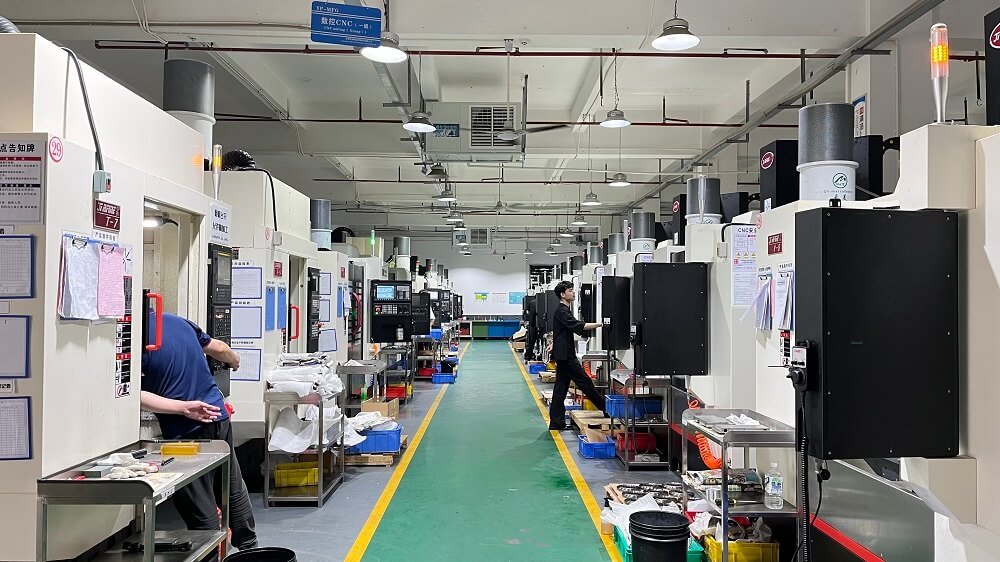
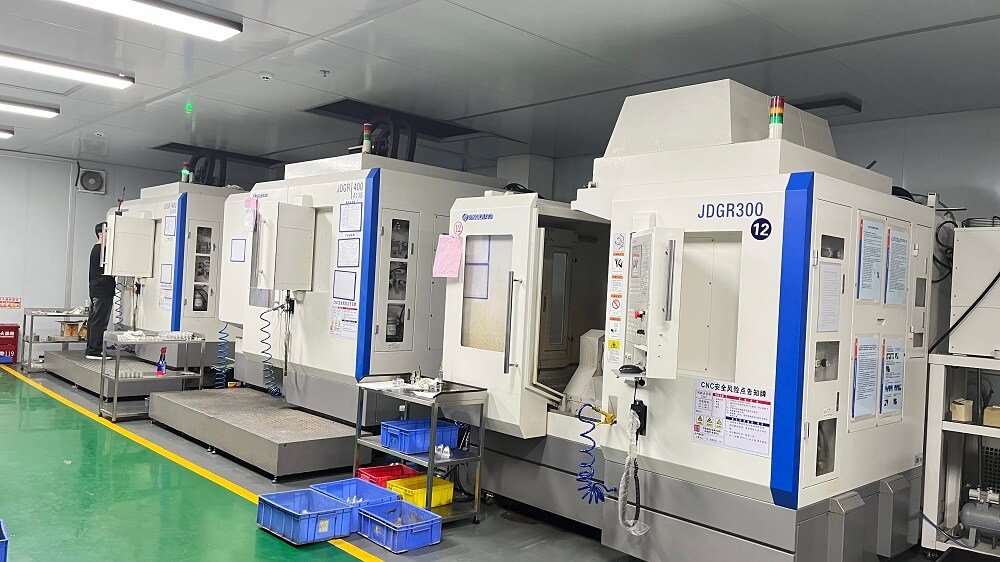
Custom processing refers to shaping, cutting, forming, or assembling stainless steel according to your unique drawings. Unlike standard off-the-shelf products, custom work targets precise dimensions, tolerances, surface finishes, and material grades. Typical processes include laser cutting, CNC machining, bending, welding, and surface treatment.
02Why Choose Stainless Steel for Custom Parts?
Stainless steel offers corrosion resistance, high strength, and hygiene benefits. For example, a food processing plant required custom 304 stainless steel conveyor guides that resist daily washdowns with acidic cleaners. Another case: an automotive supplier used 316L stainless steel brackets to withstand road salt and vibration without rusting.
03Step-by-Step Custom Processing Workflow
1. Define Your Technical Specifications
Material grade – 304 (general purpose), 316 (marine/chemical), 430 (magnetic, less corrosion resistant), 17-4 PH (high strength)
Dimensions – Length, width, thickness, hole positions, radii
Tolerances – Common industry standards: ISO 2768-m (medium) or ±0.1mm for CNC machined features
Surface finish – No. 2B (smooth, reflective), No. 4 (brushed), No. 1 (hot rolled), or bead blasted
Quantity – Prototype (1–50), low-volume (51–500), high-volume (500+)
2. Select the Right Processing Method
3. Common Challenges and How to Avoid Them
Challenge 1: Heat distortion during welding
A manufacturer of custom stainless steel tanks once experienced warping on 3mm thick 304 sheets. Solution: use back-purge with argon, clamp parts firmly, and apply stitch welding instead of continuous beads.
Challenge 2: Galling on threaded components
When machining 316 stainless steel nuts and bolts, threads can seize. Use sharp carbide tools, proper lubricant (high-sulfur cutting oil), and slow speeds (20–30 SFM).
Challenge 3: Burrs on laser-cut edges
Burrs reduce assembly precision. Specify secondary deburring (mechanical or electrochemical) in your purchase order. Many custom processors include deburring as a standard step.
4. Quality Control Measures You Must Verify
Before accepting any custom stainless steel parts, perform or request these checks:
Dimensional inspection – CMM or calipers at three random samples per batch (per ISO 9001:2015 clause 8.6)
Material test report (MTR) – Certified mill certificate showing chemical composition and mechanical properties (e.g.,18% Cr, 8% Ni for 304)
Surface finish comparison – Use visual comparators (e.g., RA value ≤0.8μm for hygienic surfaces)
Weld quality – Dye penetrant test for cracks; no porosity visible under 10x magnification
Corrosion spot test – Copper sulfate solution applied to verify passive layer integrity
5. Cost Factors and Lead Times
Material cost – 304 stainless steel plate (2mm) averages $2.50–$4.00 per kg; 316 is 30–50% higher (prices as of 2026)
Setup cost – CNC programming and tooling: $150–$500 per project, amortized over quantity
Processing time – Laser cutting: 1–3 days; CNC machining: 3–7 days; welding assembly: 5–10 days
Lead time – Typical custom orders: 2–4 weeks including material sourcing and quality checks
04Case Example: Custom 304 Stainless Steel Sensor Enclosures
A medical device company needed 200 enclosures with IP67 rating, internal mounting bosses, and a brushed finish. They initially received quotes with 6-week delivery. By specifying laser-cut blanks + CNC machining of bosses + TIG welding of side flanges + vibratory finishing, they reduced lead time to 3 weeks and saved 18% per unit. The key was providing a detailed 2D drawing with tolerances and a sample CAD file.
05Actionable Recommendations for Buyers
To get high-quality custom stainless steel parts consistently:
1. Always request a first-article inspection report before full production.
2. Send a clear drawing with material grade, tolerances, and surface finish notes. Include a 3D STEP file if possible.
3. Ask about secondary operations – deburring, passivation, or electropolishing – and confirm they are included.
4. Order 10–20% extra for small batches to cover potential scrap from complex features.
5. Test a sample under actual operating conditions (e.g., salt spray for 96 hours per ASTM B117 for outdoor parts).
06Core Takeaway
Successful stainless steel custom processing depends on three things: precise specifications, choosing the right fabrication method for your geometry, and verifying quality through documented tests. Do not assume that all processors follow the same standards – always ask for their quality certifications (ISO 9001, ASME, or AWS D1.6 for welding). By following the step-by-step workflow and checkpoints above, you will receive parts that meet your functional requirements and last for decades.