
Quick answer:
Metal parts fabrication refers to the process of cutting, bending, forming, and assembling raw metal materials into finished components or structures. It supports industries ranging from automotive and aerospace to medical devices and industrial equipment, where precision, material integrity, and production consistency are critical. Choosing the wrong fabrication method or supplier can lead to tolerance failures, higher scrap rates, and hidden costs that affect your final product.
Metal Parts Fabrication: What It Is, How It Works, and How to Choose the Right Approach
Manufacturing teams often face a practical challenge: they need metal components that meet tight tolerances, hold up under repeated use, and arrive on schedule. Yet the path from a raw metal sheet or bar to a finished part involves multiple decisions — material selection, process choice, quality checks, and supplier evaluation. Each decision carries cost and schedule implications.
This article walks through the core methods used in metal parts fabrication, the key factors that affect quality and cost, and the questions buyers should ask before committing to a production partner.
Core Methods in Metal Parts Fabrication
Metal parts fabrication typically combines one or more of the following processes. The right combination depends on the part geometry, production volume, material type, and required tolerances.
Cutting
Cutting is the first step in most fabrication projects. Common methods include laser cutting, plasma cutting, waterjet cutting, and shearing. Laser cutting offers high precision for thin to medium-thickness metals, while waterjet is preferred for materials sensitive to heat. Plasma cutting handles thicker plates at lower accuracy.
Forming and Bending
After cutting, parts often require bending or forming to achieve the intended shape. Press braking is the most common method, using a punch and die set to create angles, channels, and curves. The material thickness, bend radius, and grain direction all affect whether a bend will crack or hold its shape.
Welding and Assembly
For multi-component parts, welding joins individual pieces into a single assembly. MIG welding, TIG welding, and spot welding are widely used, depending on the metal type and strength requirements. After welding, secondary steps like grinding, deburring, or surface treatment may be needed.
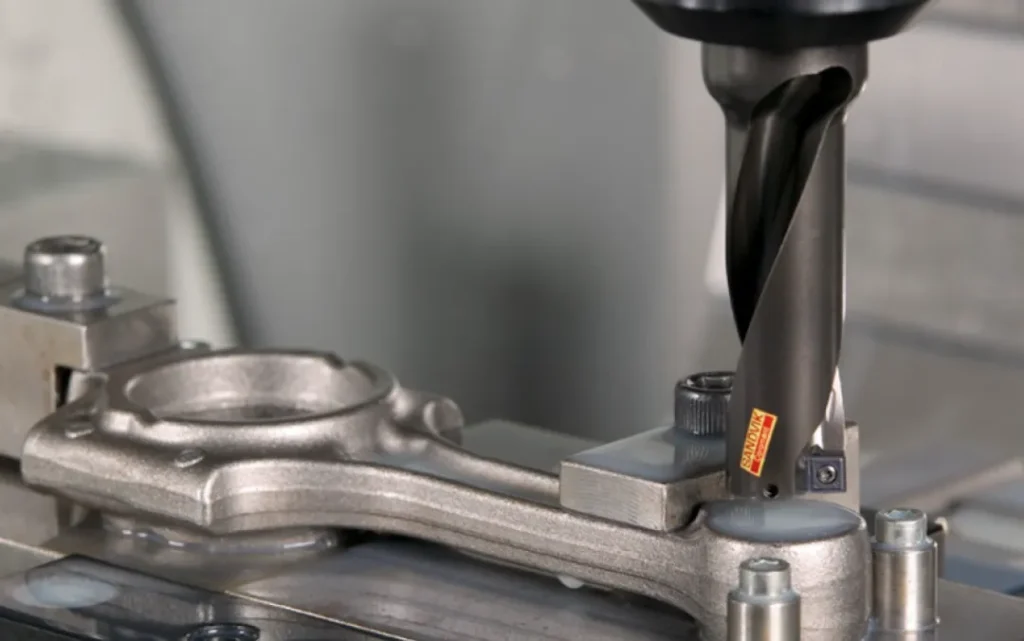
Machining and Finishing
Some fabricated parts require secondary machining for tighter tolerances or specific features. CNC machining is often used after fabrication to drill holes, add threads, or create flat surfaces. Finishing options include powder coating, anodizing, plating, or passivation, depending on the material and environmental exposure.
Factors That Affect Metal Parts Fabrication Quality and Cost
Not all fabrication projects are equal. The following factors have the most influence on final part quality and total project cost.
Key takeaway: The lowest quote often comes from looser tolerances, thinner material, or fewer quality checks. These savings may disappear if parts fail during assembly or field use.
Material Selection for Fabricated Metal Parts
Selecting the right material is one of the most consequential decisions in metal parts fabrication. The material affects formability, weld quality, corrosion resistance, and final part weight.
Steel — most common for structural and industrial parts. Mild steel offers good formability and weldability at low cost. Stainless steel adds corrosion resistance but requires more careful bending and welding.
Aluminum — lighter than steel and naturally corrosion-resistant. It is more difficult to bend without cracking, especially in thicker gauges or harder tempers. 5052 and 6061 aluminum are widely used for fabricated parts.
Copper and brass — used for electrical components, decorative parts, and fittings. They offer excellent conductivity and corrosion resistance but are softer and more expensive.
Other alloys — such as titanium, Inconel, or high-strength steels are used in aerospace or medical applications. These materials demand specialized tooling, slower cutting speeds, and experienced operators.
Common Challenges in Metal Parts Fabrication
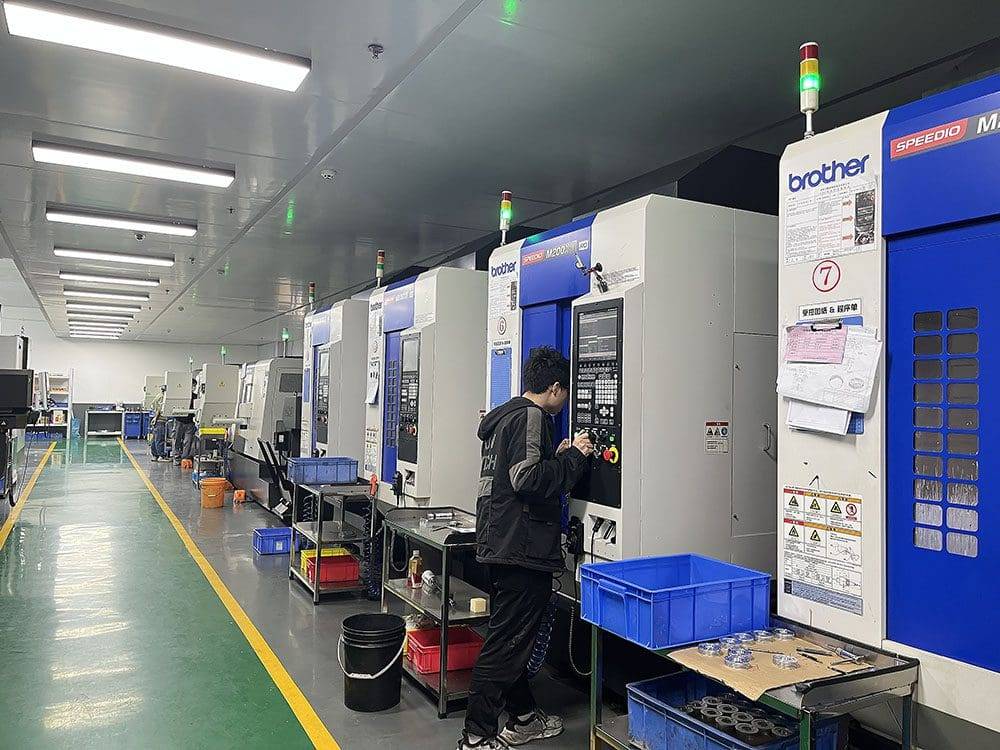
Buyers and engineers encounter several recurring issues when working with fabrication suppliers.
Tolerance stack-up — When multiple bends or welds are involved, small deviations accumulate. The final assembly may not fit as expected. Controlling this requires careful process planning and in-process inspection.
Weld distortion — Heat from welding can warp thin sections. This is especially problematic for parts with tight flatness or parallelism requirements. Fixturing and sequencing help reduce distortion.
Surface defects — Scratches, dents, or tool marks can occur during handling or secondary operations. If cosmetic appearance matters, the process plan should include protective steps.
Communication gaps — A drawing that specifies a sharp inside corner on a bend may be impossible to achieve without cracking. Early engineering review can catch these issues before production starts.
YPMFG supports projects that require early design feedback and process optimization. Sending your specifications for review helps identify potential fabrication risks before tooling begins.
Questions Buyers Often Ask About Metal Parts Fabrication
How do I know which fabrication method is right for my part?
Start with the material thickness, required tolerance, and production volume. Laser cutting works well for precision parts under 1 inch thick. For thicker plates or structural parts, plasma or waterjet may be more cost-effective.
What information does a fabrication shop need to provide a quote?
A complete 2D drawing with dimensions, tolerances, material specification, and surface finish requirements. A 3D model helps with bend simulation and assembly fit checks. If you are unsure, most shops can work from a sample or sketch.
Can fabricated parts meet tight tolerances?
Yes, but tighter tolerances require more precise equipment and more inspection steps. A typical fabrication tolerance is ±0.015 in to ±0.030 in. Achieving ±0.005 in may require secondary machining or CNC finishing.
How do I reduce the cost of a fabricated part?
Simplify the geometry, reduce the number of bends or weld joints, and use standard material thicknesses. Combining multiple parts into a single formed piece can also reduce assembly labor.
What is the typical lead time for metal parts fabrication?
Lead time depends on complexity, quantity, material availability, and current shop workload. Simple parts may ship in 2–3 weeks. Complex assemblies with multiple operations may require 6–8 weeks.
How do I ensure consistent quality across multiple production runs?
Request a first article inspection report and process documentation. A repeatable process with calibrated tooling and trained operators is more reliable than relying on final inspection alone.
What surface finish options are available for fabricated parts?
Common options include powder coating, liquid paint, anodizing, zinc plating, passivation, and bead blasting. The choice depends on the material, environmental exposure, and appearance requirements.
Can I get a prototype before full production?
Many shops offer prototype or low-volume runs before scaling. This allows you to verify fit, function, and appearance without committing to full tooling costs. You can send your specifications to YPMFG for an engineering review and sample evaluation.
Choosing the Right Fabrication Partner for Your Project
Selecting a metal parts fabrication supplier is not just about price. It is about process capability, communication, and long-term consistency. A supplier that reviews your design before quoting,provides clear documentation, and supports post-production questions will save you time and rework costs.
If your project requires custom fabrication, engineering support, or a reliable partner for repeat orders, YPMFG can help you evaluate your design, compare process options, and produce parts that meet your specifications. Send your drawings or 3D models for a detailed review and a no-obligation quote.