With the deepening trend of product miniaturization in aerospace, medical, and electronics fields, the demand for manufacturing extremely small and precise parts is growing rapidly. Micromachining, as a specialized manufacturing technology capable of producing parts with micron-level feature sizes, is becoming an indispensable cornerstone of modern industry.
This article will provide an in-depth analysis of the process principles, technological advantages, and industry applications of micromachining, helping you understand the full picture of this cutting-edge manufacturing field.
What is Micro Machining?
Micro machining is a manufacturing process that uses specialized Computer Numerical Control (CNC) machine tools and equipment to produce parts with microscopic features. It can process features as small as 1 micrometer (μm) or even smaller, with tolerances controlled between ±1 and ±5 micrometers. Compared to traditional CNC machining, micromachining places higher demands on precision, scale, and control, requiring the use of ultra-fine cutting tools, high-precision spindles (speeds exceeding 160,000 RPM), and advanced feedback systems (such as laser interferometers) to ensure process stability.
Core Techniques and Methods
Micro machining is not a single technology, but rather a collective term for a series of precision processes, primarily including:
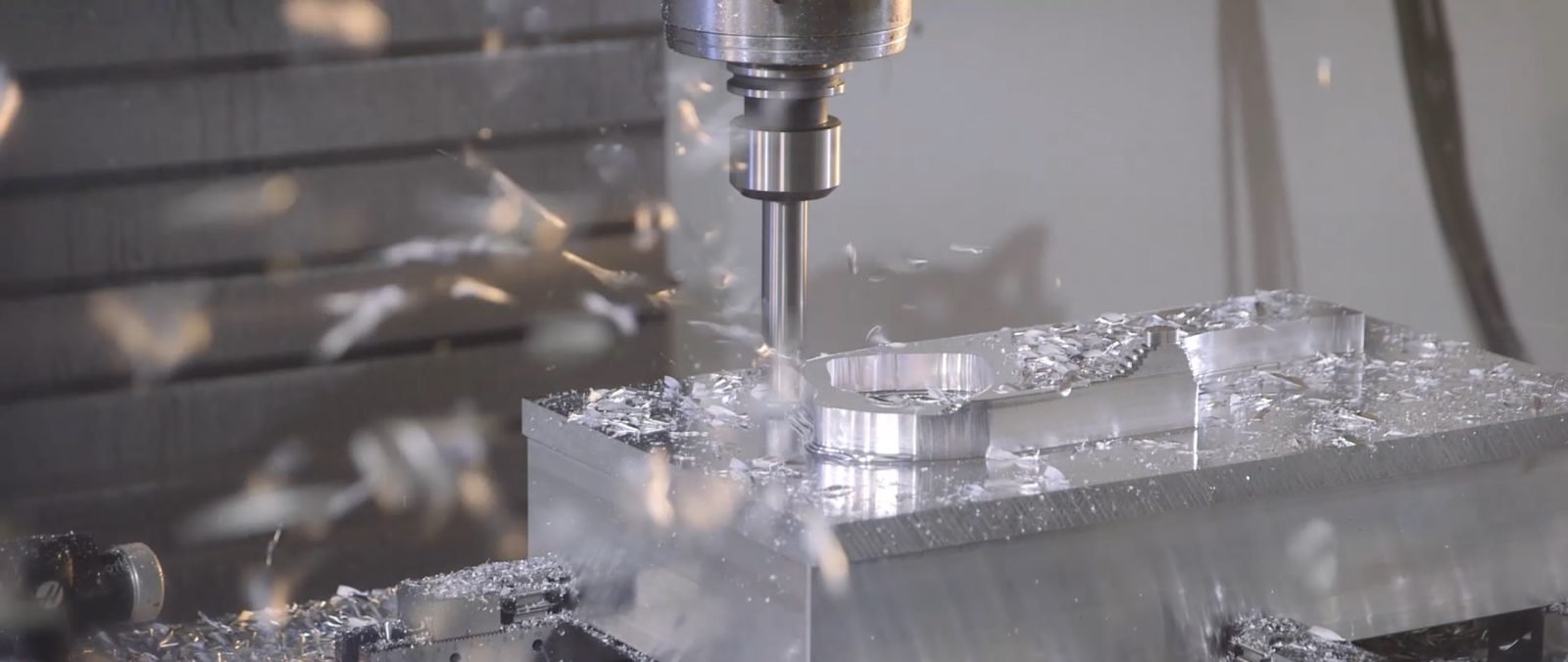
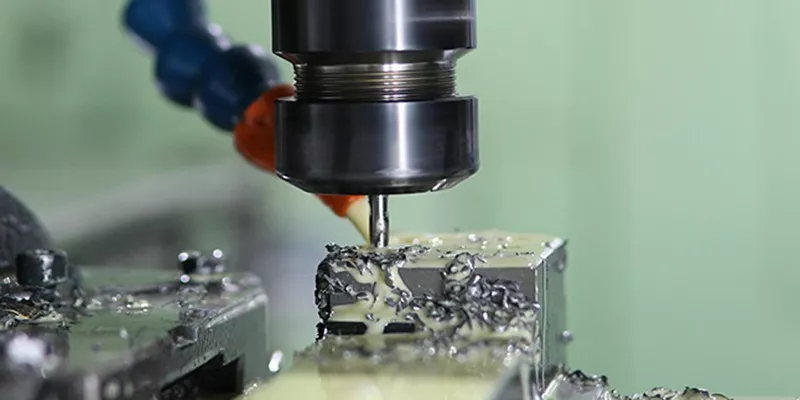
- Micro-milling: Using tiny rotating cutting tools (such as end mills) to remove material from a workpiece, suitable for manufacturing micro-parts with complex 3D geometries, such as microfluidic chips, micro-molds, and electronic components. It excels at handling complex geometries and fine details.
- Micro-turning: The workpiece rotates while a linearly moving tool cuts it. Primarily used for manufacturing high-precision cylindrical parts such as micro-shafts, pins, and connectors.
- Micro-drilling: Utilizing a high-speed spindle and micro-drill bits, precise micro-holes are drilled in various materials. This is crucial for the manufacture of printed circuit boards (PCBs), microfluidic channels, and medical devices.
- Micro-grinding: Using fine abrasive particles to remove extremely thin layers of material to achieve ultra-high surface finishes (up to Ra 0.01 μm). It is particularly suitable for machining hard and brittle materials such as ceramics and glass, and is commonly used in the manufacture of optical lenses and precision molds.
- Micro-electrical discharge machining (EDM): Includes both plunge and wire EDM. High temperatures are generated by electrical discharge between electrodes and the workpiece, eroding away the material. This method is ideal for machining high-hardness, high-strength conductive materials, as well as manufacturing micro-gears, punches, and dies with complex shapes, unaffected by material hardness.
- Micro laser processing: Using a focused high-energy laser beam to cut, etch, or engrave materials, it can achieve extremely high precision and complex patterns. It is often used to create fine cuts, holes, and marks on thin-walled materials.
Common Material Selection
The versatility of micromachining lies in its ability to handle a variety of materials. The choice of material depends on the final application of the part:
Metals and Alloys: Stainless steel is commonly used in medical devices due to its corrosion resistance, titanium is used in implants and aerospace components due to its biocompatibility and high strength-to-weight ratio, aluminum alloys are widely used in the electronics and automotive industries due to their excellent machinability.
Engineering Plastics: PEEK has excellent high-temperature and chemical resistance. POM (polyoxymethylene) has a low coefficient of friction and good dimensional stability. ABS and nylon are widely used due to their cost-effectiveness and good performance.
Ceramics: Such as zirconium oxide and silicon carbide, they have advantages such as high hardness, high-temperature resistance, and electrical insulation, but due to their brittleness, they require special processes and tools for processing.
Composite Materials: Such as carbon fiber reinforced polymer (CFRP), due to its extremely high strength-to-weight ratio, is highly favored in the aerospace and high-performance automotive fields.
Key Application Industries
Microfabrication, with its unparalleled precision, plays a crucial role in several high-tech industries:
Medical Industry: Manufacturing highly biocompatible implants, precision surgical instruments, microfluidic devices, biosensors, and dental components. Many minimally invasive surgical instruments rely on microfabrication techniques.
Aerospace: Producing critical flight components such as fuel nozzles, turbine blade seals, micro-parts for navigation systems, and lightweight, complex structures for microsatellites and drones.
Electronics Industry: Manufacturing connectors, sensors, semiconductor testing equipment, and micro-thermal components for smartphones and electronics.
Automotive Industry: Machining high-precision fuel injectors, sensor components, and actuator parts to meet the stringent efficiency and reliability requirements of modern engine and electronic control systems.
Optics and Photonics: Producing optical components with sub-micron surface quality, such as microlenses, waveguides, and mirrors, for use in laser devices, fiber optic communications, and imaging systems.
Key Considerations for Successful Implementation
To obtain high-quality micro-machined parts, the following factors must be considered comprehensively:
Tool Selection and Maintenance: Use suitable ultra-fine particle carbide or diamond tools and coat them with wear-resistant coatings such as TiAlN or DLC. Regular inspection and replacement are crucial due to the high wear rate of these tools.
Thermal Management: Heat easily accumulates in the small machining areas, leading to part deformation. Minimum quantity lubrication (MQL) or efficient cooling systems are necessary to control the thermal impact.
Vibration Control: The stability of the machine tool itself, the dynamic balance of the spindle, and vibrations from the external environment directly affect machining accuracy. Therefore, micro-machining typically requires a stable environment with vibration isolation measures.
Quality Control: The process needs to be equipped with a high-precision online measurement system (such as a laser probe or high-magnification microscope) for real-time monitoring and feedback, promptly identifying and correcting deviations to ensure the consistency and accuracy of all parts. 5. Professional Knowledge and Experience: Programmers need a deep understanding of the microscopic removal mechanisms of materials, toolpath optimization, and cutting characteristics at minute dimensions. This is especially important for handling complex geometries and difficult-to-machine materials.
Why Choose Our Micromachining Services?
In the field of precision manufacturing, stability and reliability are our core competitive advantages.
Extreme Tolerance Control: We possess high-end machining centers capable of consistently maintaining micron-level errors.
Multi-Axis Linkage Technology: 5-axis linkage machining capability allows for the simultaneous manufacturing of complex 3D contours, reducing clamping errors.
Comprehensive Quality Inspection: Equipped with a Visual Measurement System (VMS) and laser interferometer, we ensure that every part leaving the factory meets the most stringent drawing specifications.
Future Outlook: With continuous technological advancements, micromachining is evolving towards higher precision, more complex geometries, and more diverse materials. Hybrid machining processes (combining mechanical and energy-assisted technologies) and the exploration of nanometer-level precision will further expand its application potential in cutting-edge fields such as microelectromechanical systems (MEMS), quantum computing, and biomedical engineering.
If you are looking for a reliable micro-machining partner, it is recommended to look for suppliers with advanced equipment (such as 5-axis milling centers, Swiss-type lathes, and EDM machines), experienced engineering teams, and the ability to provide full-service support from prototyping to mass production. They can help you turn your most complex and sophisticated design concepts into reality.