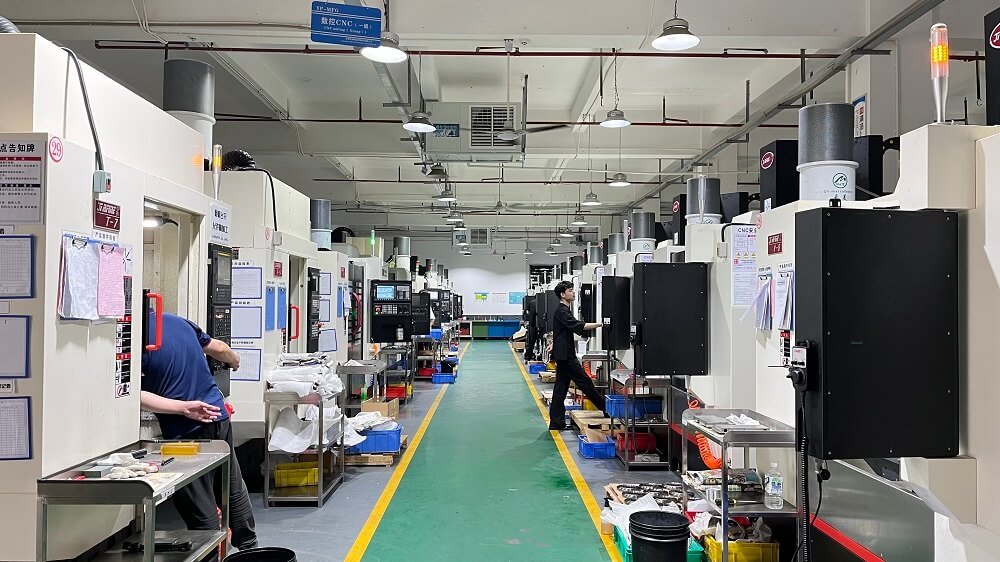
Medical CNC machining services are essential for producing critical components such as surgical instruments, orthopedic implants, and diagnostic device housings. When selecting a provider,the non-negotiable requirements are ISO 13485 certification, validated cleanroom processes, and full material traceability – not just precision machining capability.
Below is a structured guide to what compliant medical CNC machining services must deliver, based on FDA and ISO standards.
01Mandatory Certifications and Quality Systems
A legitimate medical CNC machining service must operate under:
ISO 13485:2016 (Medical devices – Quality management systems). This is the baseline.
FDA 21 CFR Part 820 (Quality System Regulation) for devices sold in the U.S.
ISO 14971 for risk management applied to manufacturing processes.
Common situation: A startup developing a titanium spinal cage once received parts from a general CNC shop with “high precision” claims. The parts met dimensional specs, but the shop lacked ISO 13485. The devices were rejected during FDA audit because the machining environment had no contamination controls. Result: 6-month delay and $80,000 scrap.
02Material and Process Validation Requirements
Every batch must include:
Material certificates (EN 10204 3.1 or 3.2) matching the order.
Process validation (IQ/OQ/PQ) for critical dimensions and surface finishes.
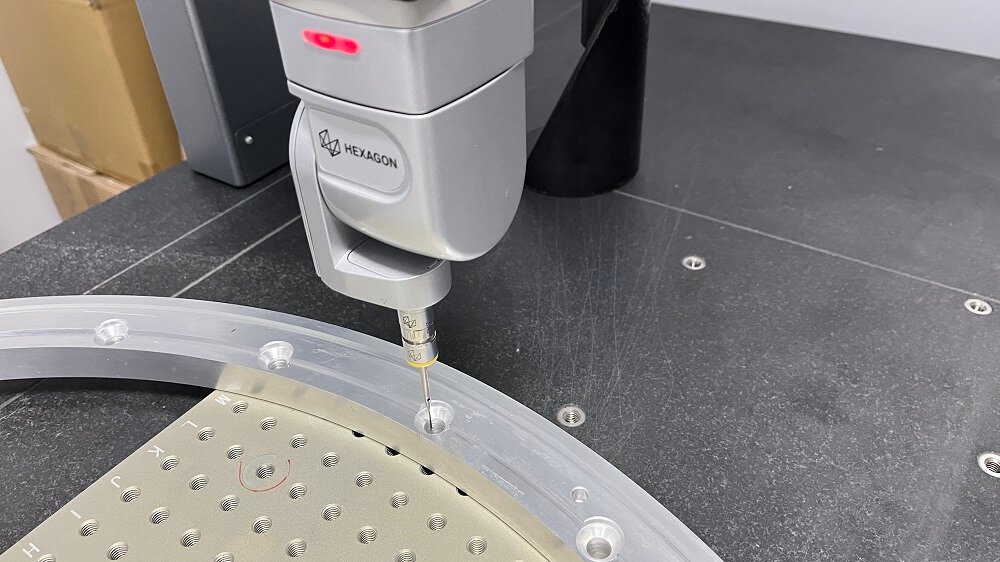
In-process inspection with CMM (coordinate measuring machine) reports.
| Parameter | Requirement for Medical Parts | Typical Verification |
|---|---|---|
| Dimensional tolerance | ±0.005 mm for implants | CMM + optical comparator |
| Surface roughness | Ra ≤ 0.2 µm for tissue-contact | Profilometer |
| Burr-free edges | No burrs > 0.025 mm | 40x microscope |
| Cleanliness | Particles ≤ 100 µm (ISO 14644-1 Class 7) | Light obscuration |
03Cleanroom and Contamination Control
For implantable or invasive instruments, machining must occur in ISO Class 7 (Class 10,000) or better cleanroom. The service provider must document:
Airborne particle counts (per ISO 14644-1).
Fluid residues (coolants, lubricants) – must use medical-grade, non-toxic cutting fluids.
Bioburden testing before sterilization (if parts are supplied non-sterile).
Common situation: A contract manufacturer of laparoscopic scissors switched to a cheaper CNC shop that did not control cutting oil residue. The final assembled devices failed ethylene oxide sterilization because residual oil protected microorganisms. All 5,000 units were recalled – a $250,000 loss.
04Traceability and Documentation
FDA and EU MDR require device history records (DHR) for each component. The machining service must provide:
Batch/lot numbers linking raw material to finished part.
Machine logs (spindle time, tool changes, offsets).
Inspection results per operation.
Non-conformance reports (if any) and corrective actions.
Without this, your finished device cannot be released.
05Material Compatibility for Medical Use
Common medical alloys and plastics that require specialized CNC machining:
Titanium (Grade 5 – Ti6Al4V ELI) – requires low-speed, high-feed strategies to avoid work hardening.
Stainless steel (316L, 17-4 PH) – needs sharp tools and coolant to prevent galling.
PEEK (polyether ether ketone) – requires sharp diamond-coated tools and chip evacuation.
Ultem (PEI) – sensitive to thermal degradation.
A service that claims to machine “all materials” but cannot show specific tooling and parameters for each is not competent.
06Common Failures to Avoid (Based on Real FDA 483 Observations)
No validation of cleaning process between different material batches (cross-contamination).
Missing in-process checks – relying only on final inspection.
Uncontrolled tool wear – using tools beyond their certified life without re-qualification.
No environmental monitoring – temperature/humidity affecting tight tolerances.
07Core Conclusion
The only reliable medical CNC machining service is one that prioritizes compliance over speed, and documentation over cost. Precision without a validated quality system is worthless for medical devices.
08Actionable Recommendations
1. Before engaging any service, request:
Current ISO 13485 certificate (check the scope – must include “machining of medical components”).
Three recent batch records with full traceability.
Cleanroom certification report (within last 12 months).
2. During quoting, specify:
All critical dimensions and surface finish requirements.
Required material certifications (with heat numbers).
Inspection plan (CMM, gauges, or vision system).
3. After delivery, perform:
Independent verification of a sample lot (send to a third-party lab).
Audit of their non-conformance log for the past 24 months.
Do not accept “we follow good practices” – demand documented evidence. For surgical implants, life-critical devices, or any sterile-packaged component, always choose a service that operates a cleanroom and provides a full device history record per 21 CFR 820.65. Your regulatory clearance depends on it.