A Comprehensive Guide to Machining Services: Optimizing Costs and Performance
Unlock Maximum Value with Expert Machining Services
Introduction
In the ever-evolving landscape of industrial manufacturing, precision and efficiency are paramount. Many mechanical engineers and procurement specialists grapple with the challenge of balancing cost and performance when selecting machining services. This guide aims to address the critical pain points and deliver tangible benefits, providing a clear roadmap to make informed decisions regarding machining services.

Reader Benefits
By the end of this guide, you will gain a comprehensive understanding of machining services, enabling you to:
- Identify the most cost-effective yet high-performance machining solutions.
- Understand the key factors influencing machining costs and performance.
- Navigate the selection process with confidence, ensuring optimal outcomes for your projects.
Article Promise
This guide will delve into ten essential modules, each designed to equip you with practical insights and data-driven strategies to maximize value from your machining services.

1. Understanding Machining Services
Key Concepts
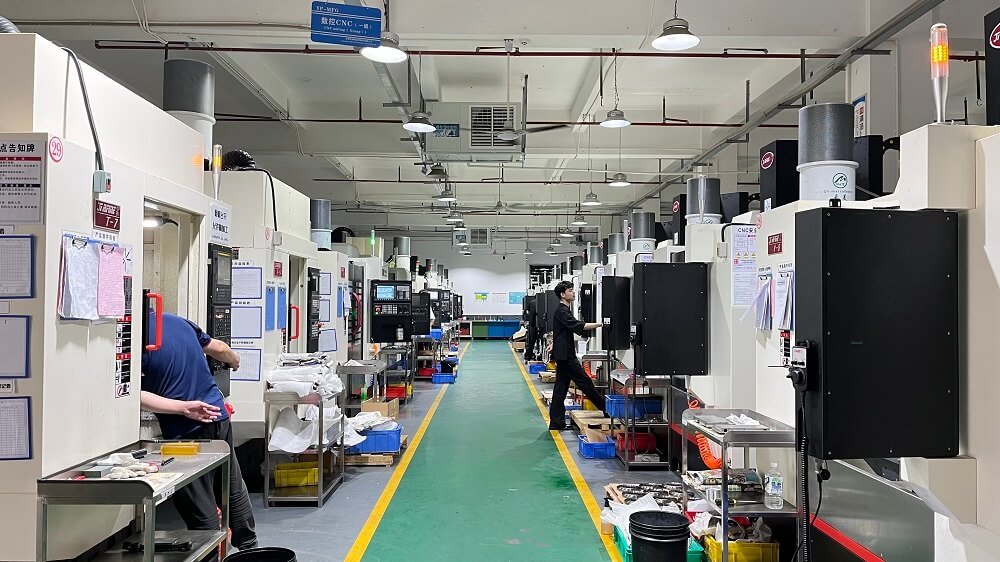
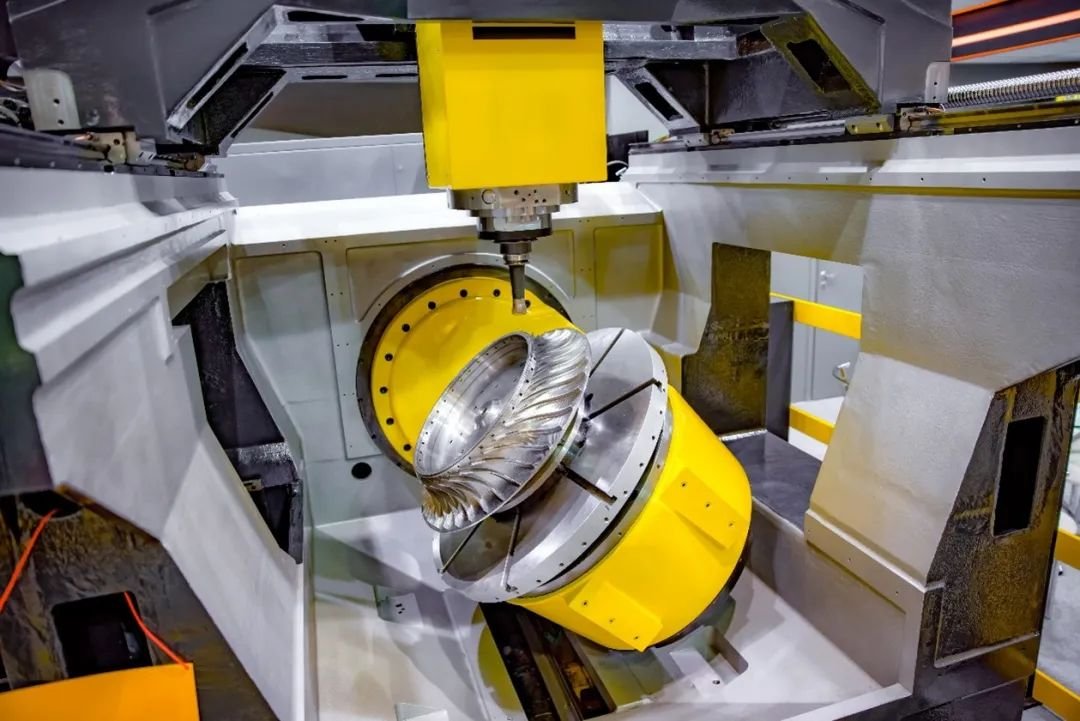
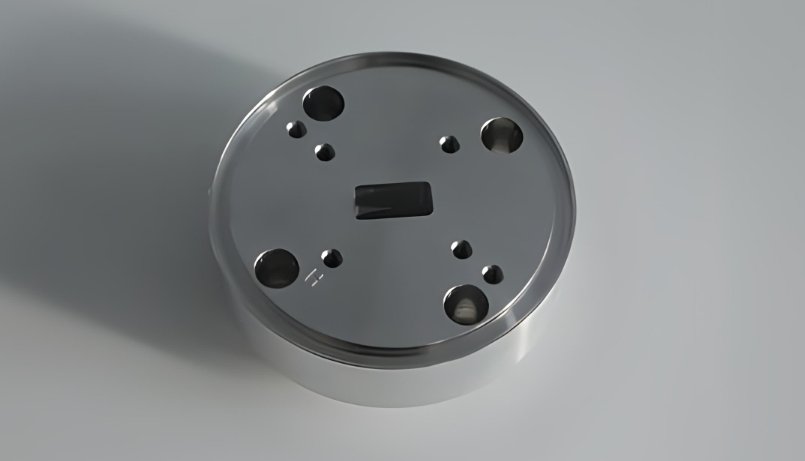
Machining services involve the process of removing material from a workpiece to create a desired shape or feature. These services are crucial in industries such as aerospace, automotive, and medical devices.
Key Figures
Figure 1: Overview of the machining process, highlighting key stages.
2. Cost Management in Machining Services
Cost Drivers
Several factors influence the cost of machining services, including material type, machining precision, and complexity of the part.
Key Figures
Figure 2: Major cost drivers in machining services.
3. Precision and Performance
Balancing Precision and Cost
Achieving high precision does not always mean higher costs. Understanding the relationship between precision and performance can help in making better decisions.
Key Figures
Figure 3: Relationship between machining precision and cost.
4. Material Selection
Material Impact on Machining
Different materials require different machining techniques, influencing both cost and performance.
Key Figures
Figure 4: Common materials used in machining and their respective machining requirements.
5. Tool Selection and Setup
Tools and Their Role
The choice of cutting tools and setup procedures significantly impacts the efficiency and quality of machining services.
Key Figures
Figure 5: Examples of different cutting tools used in machining.
6. Machining Techniques
Overview of Machining Methods
Machining techniques such as turning, milling, and drilling each have their unique advantages and limitations.
Key Figures
Figure 6: Overview of common machining techniques.
7. Automation in Machining Services
Benefits of Automation
Automation can significantly reduce machining costs through increased efficiency and reduced labor.
Key Figures
Figure 7: Advantages of automation in machining services.
8. Quality Control
Ensuring Quality
Implementing stringent quality control measures is essential to maintain high standards and reduce rework costs.
Key Figures
Figure 8: Quality control process in machining services.
9. Lead Time Reduction
Strategies for Reducing Lead Time
Efficient workflow management and strategic planning can significantly reduce lead times in machining services.
Key Figures
Figure 9: Strategies to reduce lead time in machining.
10. Choosing the Right Supplier
Supplier Selection Criteria
Choosing the right supplier involves evaluating precision, equipment, and process capability.
Key Figures
Figure 10: Criteria for evaluating machining service suppliers.
FAQs
- What are the main cost drivers in machining services?
- Material type, machining precision, and part complexity are the main cost drivers.
- How can precision impact machining costs?
- Higher precision often results in higher costs, but understanding the balance can lead to optimized outcomes.
- What are the benefits of automation in machining?
- Automation improves efficiency, reduces labor costs, and enhances overall productivity.
- How do I choose the right machining service supplier?
- Consider precision, equipment capabilities, and process reliability when selecting a supplier.
- What role does material selection play in machining services?
- Material selection directly affects machining techniques, costs, and precision.
Conclusion
This guide has provided a detailed overview of machining services, focusing on cost management, precision, and performance. By understanding these key aspects, you can make informed decisions that maximize value and efficiency in your projects.
B2B CTA
For more information on optimizing your machining services with YP-MFG, get a free DFM analysis, quote, or consultation. Visit YP-MFG to learn how we can help you achieve cost-effective and high-performance machining solutions.
This guide serves as a practical resource for mechanical engineers and procurement specialists seeking to enhance their understanding and application of machining services.