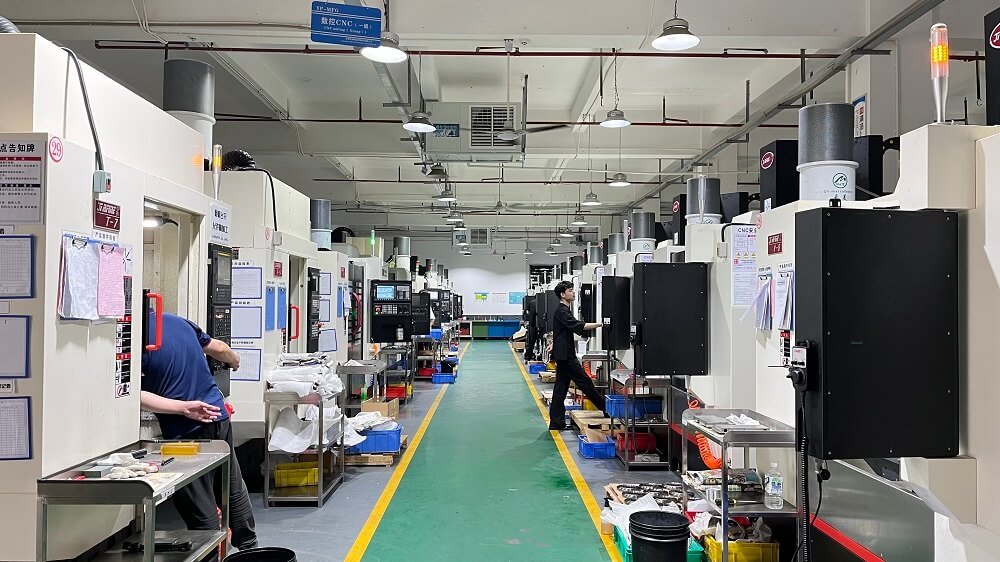
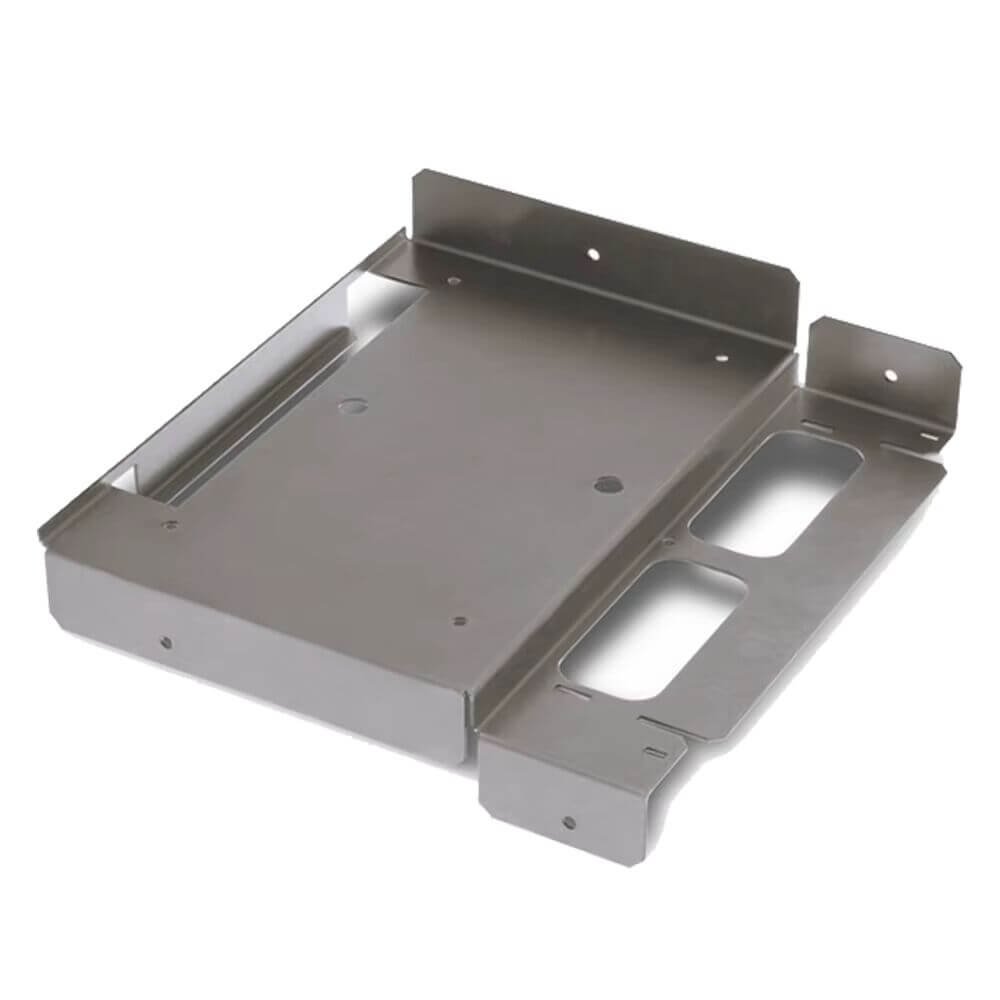
This guide provides proven methods and practical tips for machining aluminium alloy successfully. Whether you are working on automotive parts, electronic housings, or mechanical components, following these guidelines will help you achieve high precision, excellent surface finish, and extended tool life.
01Why Aluminium Alloy Requires Special Attention
Aluminium alloys are widely used because they are lightweight, strong, and corrosion resistant. However, their unique properties—such as high ductility, low melting point, and tendency to form built-up edge (BUE)—make them different from steel or cast iron. Common issues include:
Gumminess: Soft aluminium sticks to cutting tools.
Poor chip breaking: Long, stringy chips can wrap around the tool or workpiece.
Heat generation: Aluminium conducts heat quickly, but without proper cooling, localised melting can occur.
Workpiece deformation: Thin walls or complex shapes may bend under cutting forces.
A typical example: a workshop machining 6061 aluminium brackets for drone frames. Using standard steel-cutting parameters, they experienced severe BUE and rough surfaces. After adjusting speeds, feeds, and coolant application, the same machine produced mirror-finish parts with zero scrap.
02Tool Selection – The Foundation of Success
2.1 Tool Material
Uncoated carbide: Excellent for most aluminium alloys. Sharp edges reduce cutting forces.
Polycrystalline diamond (PCD): Ideal for high-volume production and high-silicon alloys (e.g., A390). Provides extreme wear resistance.
High-speed steel (HSS): Suitable for small batches, prototyping, or manual machines. Keep tools razor sharp.
2.2 Geometry Essentials
Rake angle: Positive rake (12°–20°) for low cutting forces and smooth chip flow.
Clearance angle: 8°–12° to avoid rubbing.
Edge preparation: Sharp, polished, or micro-ground edges. Avoid honed or chamfered edges used for steels.
Number of flutes: 2 or 3 flutes for roughing; 3 or 4 flutes for finishing. More flutes reduce chip space and increase risk of packing.
2.3 Chip Breakers
Use tools with polished or ground chip breakers specifically designed for aluminium. Without proper chip control, long ribbons can damage the workpiece and pose safety hazards.
03Cutting Parameters – Speed, Feed, and Depth
| Parameter | Recommended Range for Common Alloys (e.g., 6061, 7075) | Notes |
|---|---|---|
| Cutting speed (Vc) | 300–800 m/min for carbide; 800–1500 m/min for PCD | Start low when using small-diameter tools. |
| Feed per tooth (fz) | 0.05–0.20 mm/tooth for finishing; 0.20–0.40 mm/tooth for roughing | Lower feed for thin walls or delicate features. |
| Axial depth (ap) | 1×–2× tool diameter for roughing; 0.5×–1× for finishing | Excessive depth causes vibration. |
| Radial depth (ae) | 0.2×–0.5× tool diameter | High radial engagement generates more heat. |
Real-world case: A shop machining 7075 aluminium landing gear components ran at 400 m/min and 0.1 mm/tooth. Surface roughness was Ra 1.6 µm but cycle time was long. By increasing speed to 600 m/min and feed to 0.18 mm/tooth, they achieved Ra 0.8 µm and reduced cycle time by 35% while maintaining tool life.
04Coolant and Lubrication – Mandatory for Aluminium
Unlike some materials that can be cut dry, aluminium alloys almost always require fluid to prevent BUE and heat buildup.
4.1 Recommended Fluids
Water-miscible coolant (emulsion): 6%–10% concentration. Provides cooling and lubrication. Avoid high-chlorine formulas that may stain.
MQL (minimum quantity lubrication): Very effective for aluminium. Uses fine oil mist, reduces waste, and improves chip evacuation.
Straight cutting oil: Not common for general machining but used in tapping or reaming.
4.2 Application Tips
Direct the nozzle to the cutting zone, not just the tool tip.
Use through-spindle coolant when available, especially for deep holes.
For high-speed machining, ensure coolant pressure is at least 30 bar to break chips.
Common mistake: Using the same 5% concentration as for steel. Aluminium requires higher concentration (8%–10%) to increase lubricity and prevent welding.
05Workholding and Deformation Control
Aluminium’s low modulus of elasticity (about 69 GPa) means it deflects more easily than steel under clamping or cutting forces.
5.1 Best Practices
Use soft jaws custom-machined to the workpiece contour to distribute clamping pressure.
Avoid over-tightening – use torque wrenches or limit stops.
For thin walls (<2 mm): Fill internal cavities with wax,low-melting-point alloy, or use vacuum fixtures.
For long, slender parts: Support with tailstock, steady rest, or multiple vises.
5.2 Cutting Strategy to Minimise Deformation
Use climb milling (down milling) to reduce cutting forces pushing the workpiece away.
Take multiple shallow passes instead of one heavy cut.
Rough then finish – allow the part to stress-relieve between operations.
Example: Machining a 1.5 mm thick 5052 aluminium enclosure. Initially, conventional milling caused edge burrs and part vibration. Switching to climb milling with a 0.2 mm radial depth and 0.08 mm/tooth feed eliminated vibration and produced burr-free edges.
06Common Defects and How to Solve Them
| Defect | Root Cause | Solution |
|---|---|---|
| Built-up edge (BUE) | Low cutting speed, insufficient lubrication | Increase speed to 500+ m/min; increase coolant concentration to 10% |
| Poor surface finish (galling) | Dull tool, wrong rake angle | Replace with sharp, polished tool; use positive rake (15°–18°) |
| Burrs on edges | Excessive feed, worn tool | Reduce feed by 30%; use a tool with sharper edge; perform a finish pass with light DOC |
| Chatter / vibration | Overhang too long, wrong speed | Reduce tool extension; change spindle speed by ±20%; use variable flute pitch tools |
| Chip welding on tool | No coolant, high chip load | Apply high-pressure coolant; reduce chip thickness; use PCD or diamond-like coating |
| Workpiece staining | Coolant too weak or old | Increase concentration to 8%–10%; change coolant regularly |
07Step-by-Step Operational Workflow for Consistent Results
Follow this sequence every time you machine an aluminium alloy job:
1. Material verification – Confirm alloy grade (e.g., 6061-T6, 7075-T6, 2024). Different grades have different machinability ratings.
2. Tool inspection – Check for sharpness, polish, and chip breaker condition. Replace if any wear is visible.
3. Workholding setup – Clean jaws, apply proper clamping force, and indicate the part to ensure zero movement.
4. Parameter calculation – Start with recommended speeds/feeds, then adjust based on machine rigidity and tool diameter.
5. Coolant check – Verify concentration (refractometer), pressure, and nozzle direction.
6. Trial cut – Run one part or feature, measure surface finish and dimension, inspect for BUE.
7. Production run – Monitor tool wear every 20–30 parts; adjust parameters as needed.
8. Post-machining – Remove burrs (manual or thermal), clean coolant residue to prevent oxidation.
08Repeating the Core Message
The three pillars of successful aluminium alloy machining are:
Sharp, polished cutting tools with positive rake and proper chip breakers.
High cutting speeds (300–800 m/min for carbide) combined with adequate coolant concentration (8%–10% emulsion or MQL).
Rigid workholding and climb milling to prevent deformation and burrs.
Every common problem—gummy chips, poor finish, tool welding, or part bending—can be traced back to a violation of one of these pillars. By consistently applying the practices detailed above, you will achieve reliable, high-quality results.
09Actionable Recommendations for Your Next Job
Before you start your next aluminium alloy machining task, do this:
Create a quick-reference card for your shop floor listing speed/feed ranges for 6061, 7075, and 5083 alloys.
Invest in at least one PCD end mill for long-running jobs (over 500 parts) – the tool life will pay for itself within days.
Set up a refractometer check as part of your daily startup routine to maintain coolant concentration.
Train operators to recognise BUE and chatter – stop immediately and adjust rather than scrapping parts.
By following this guide, you will not only avoid the most frequent machining failures but also improve cycle times, surface quality, and tool economy. Aluminium alloy is one of the most rewarding materials to machine when the correct principles are applied. Start with the right tools, use coolant generously, and keep your speeds high – your parts will prove the result.