
Quick answer:
CNC turning machining service produces cylindrical parts by rotating a workpiece against a cutting tool under computer control. It is commonly used for shafts, bushings, pins, and fittings made from metals or plastics. The service covers material selection, precision machining, surface finishing, and quality inspection. Choosing the right provider affects part accuracy, lead time, and total project cost, especially for custom or low-volume production runs.
If you are sourcing machined components, you already know that not all CNC turning machining service providers deliver the same level of precision, consistency, or material expertise. Differences in machine capability, inspection equipment, and process control can lead to variation in part quality, delivery reliability, and hidden costs. Understanding what separates a capable partner from an inconsistent one is critical, especially when your parts must meet tight tolerances (0.005 in or less) or specific surface finish requirements (Ra 32 or better).
What CNC Turning Machining Service Covers
A full-service CNC turning operation typically includes several stages beyond simply running a lathe. The process begins with a review of the part drawing or model, material selection, tool path programming, setup, machining, deburring, inspection, and delivery.
When you send a part spec to a provider, the service scope may include:
Material sourcing (aluminum 6061, stainless 304, brass, acetal, etc.)
Multi-axis turning (2-axis, 3-axis, or live tooling)
Secondary operations (milling, drilling, threading, knurling)
Surface treatment (anodizing, passivation, plating, as-machined)
Quality reporting (first article inspection, dimensional report, material certs)
The value of a CNC parts supplier lies in how well these steps are coordinated. A fragmented process increases risk of errors, rework, and delivery delays.
Key Factors That Affect Part Quality and Cost
Material Selection Affects Machinability and Price
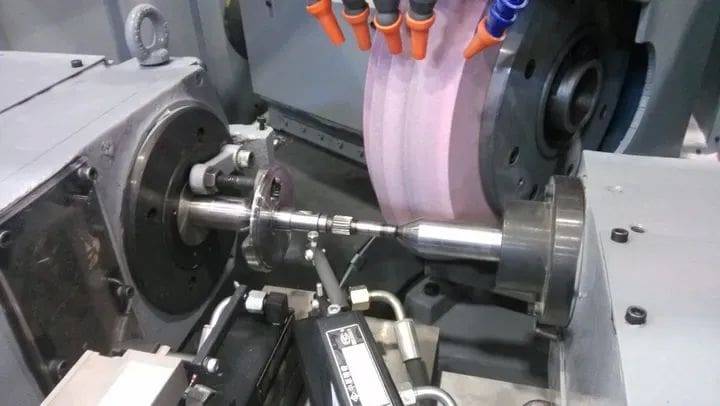
Different materials respond differently to turning. Aluminum (6061-T6) cuts faster and extends tool life, while stainless steel (303 or 304) requires slower speeds and more rigid setup. Engineering plastics like Delrin or Nylon machine well but can deform under heat if coolant strategy is poor.
When choosing a CNC turning machining service, ask how they handle material-specific feeds, speeds, and tool geometries. A provider that adjusts parameters per material delivers better surface finish and dimensional consistency.
Tolerance Requirements Drive Process Choice
Standard turning tolerances fall in the range of ±0.005 in to ±0.002 in. Tighter tolerances (±0.001 in or less) typically require inspection after every operation and may need CMM verification. Not all shops are equipped for this level of control.
If your CNC parts require tight fits or interference assemblies, verify that the provider has experience holding those tolerances in the material you specify.
Surface Finish and Secondary Operations
As-machined surface finish from turning typically measures between Ra 32 and Ra 63. If your design requires finer finishes (Ra 16 or better), the provider may need to adjust the finishing pass or apply grinding or polishing as a secondary operation.
Some CNC turning machining services include deburring and light finishing in the base price, while others charge separately. Clarify this early to avoid unexpected costs.
Common Applications for CNC Turned Parts
The table above shows that CNC turning machining service is used across many industries. The right provider should be able to demonstrate experience with parts similar to yours in geometry, tolerance, and material.
Questions Buyers Often Ask About CNC Turning Services
How do I know if my part is suitable for CNC turning?
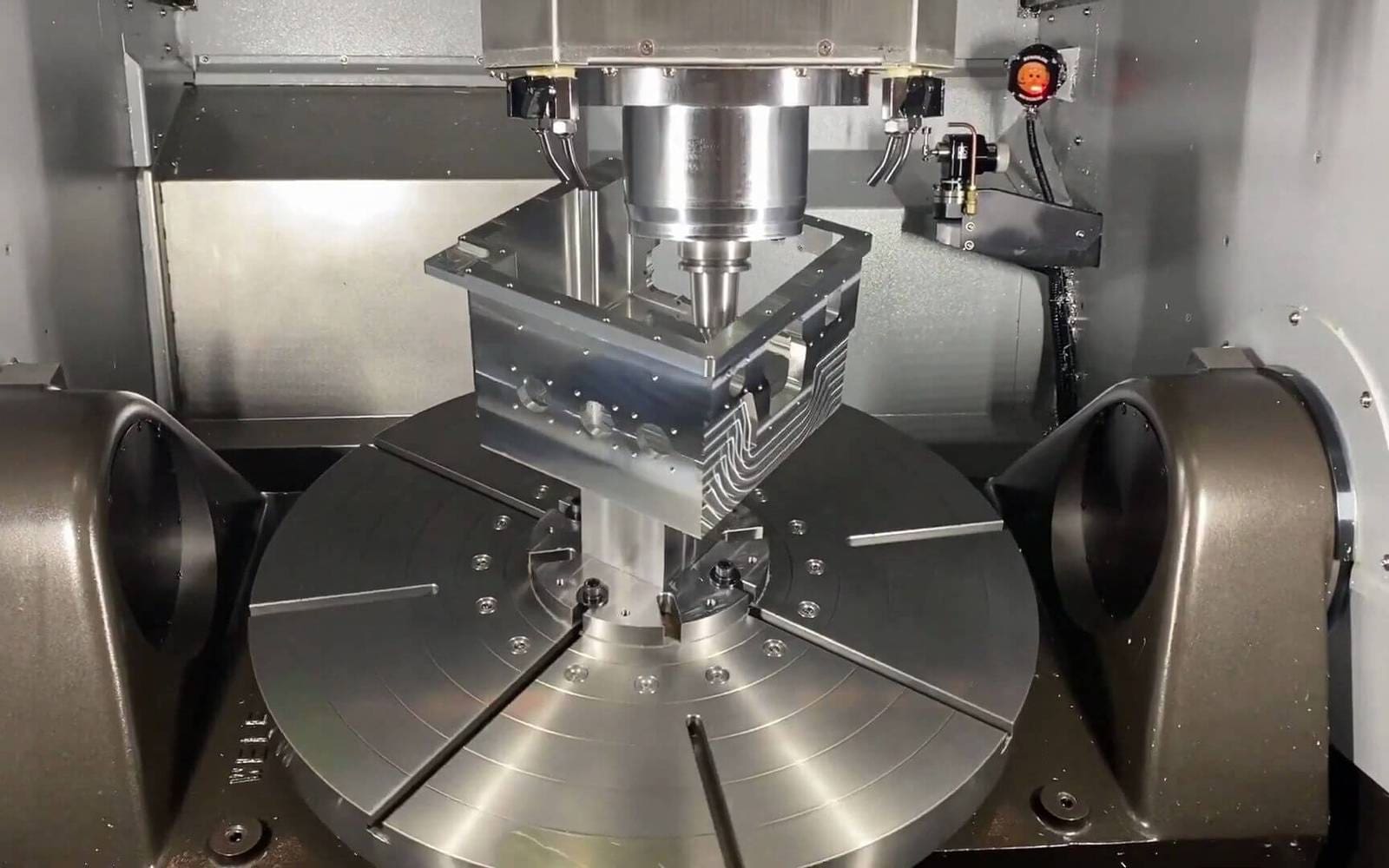
Parts with rotational symmetry, cylindrical features, and diameters under 8 inches are generally good candidates. If your part has complex non-cylindrical features, you may need a turning center with live tooling or a separate milling operation.
What information does the provider need to quote my part?
A complete 2D drawing with GD&T or a 3D model (STEP or IGES format), material specification,quantity, and required surface finish. Missing information often leads to inaccurate quotes or rework later.
How long does a typical CNC turning job take?
For simple parts, quoting may take 1–2 days, setup 1–3 days, and production 3–10 business days depending on quantity and complexity. Rush orders may be available but typically cost a premium.
Should I choose a local or overseas CNC turning service?
Local providers offer easier communication, faster shipping, and simpler quality audits. Overseas options may offer lower unit cost but require careful supplier vetting, longer lead times, and higher logistics risk.
What certifications should the shop have?
ISO 9001 is common for general industrial parts. For medical or aerospace applications, look for ISO 13485 or AS9100. Certifications indicate the shop follows documented quality systems.
How do surface finish requirements affect cost?
Finer finishes (Ra 16 or below) require slower feeds, finer tool geometry, and sometimes secondary operations. This increases cycle time and cost by 10–30% compared to standard as-machined finishes.
Can the provider handle both prototype and production runs?
Many shops specialize in one or the other. Prototype shops offer fast turnaround and flexibility, while production shops invest in automation and process control. A service like YPMFG can support both low-volume prototyping and repeat production orders under the same quality system.
What causes cost overruns in CNC turning projects?
Common causes include tight tolerances that require extra inspection, difficult materials that reduce tool life, complex geometries requiring multiple setups, and unclear documentation that leads to rework.
How to Evaluate a CNC Turning Machining Service Provider
When comparing providers, consider more than just unit price. Look at:
Machine capability (max turning diameter, spindle speed, live tooling availability)
Inspection equipment (CMM, optical comparator, surface roughness tester)
Quality documentation (FAI reports, material certs, dimensional reports)
Communication responsiveness (how fast they answer technical questions)
A provider that shares CNC turning process information upfront and offers engineering feedback during quoting is more likely to deliver consistent CNC parts on schedule.
Need Help Selecting the Right CNC Turning Service?
Your part design, material, tolerance, and quantity all affect which machining approach works best. Sending your specifications to a qualified provider for review gives you a clear picture of cost, lead time, and process requirements before you commit.
YPMFG offers CNC turning machining service for custom parts across a range of materials and tolerances. You can send your drawings or models for an engineering review, request a quote, or ask about surface finish options and inspection documentation. The goal is to match the machining process to your actual part requirements, not to oversell capability you do not need.