If you need a product made from metal, plastic, or silicone, Shenzhen fabrication is often the fastest and most cost-effective solution. The key to success is not finding the cheapest quote, but following a proven process to verify quality, lead time, and communication before you place your first order.
This guide gives you a clear, step-by-step method to source fabrication services in Shenzhen. You will learn how to avoid common mistakes, verify a supplier’s real capability, and get your parts made right the first time.
01What “Shenzhen Fabrication” Actually Means for You
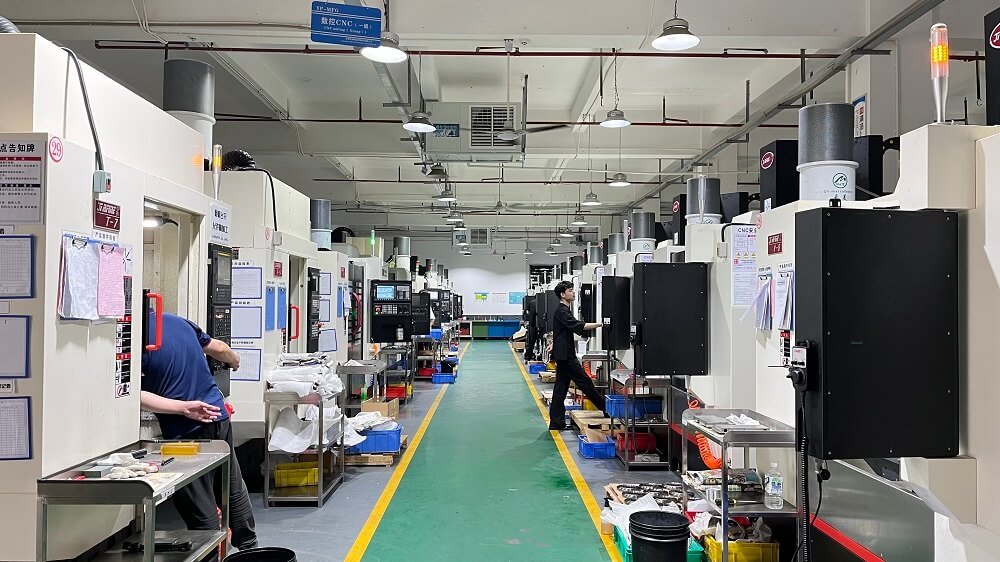
In simple terms, fabrication refers to cutting, bending, assembling, and finishing raw materials into finished parts or products. In Shenzhen, the most common fabrication services include:
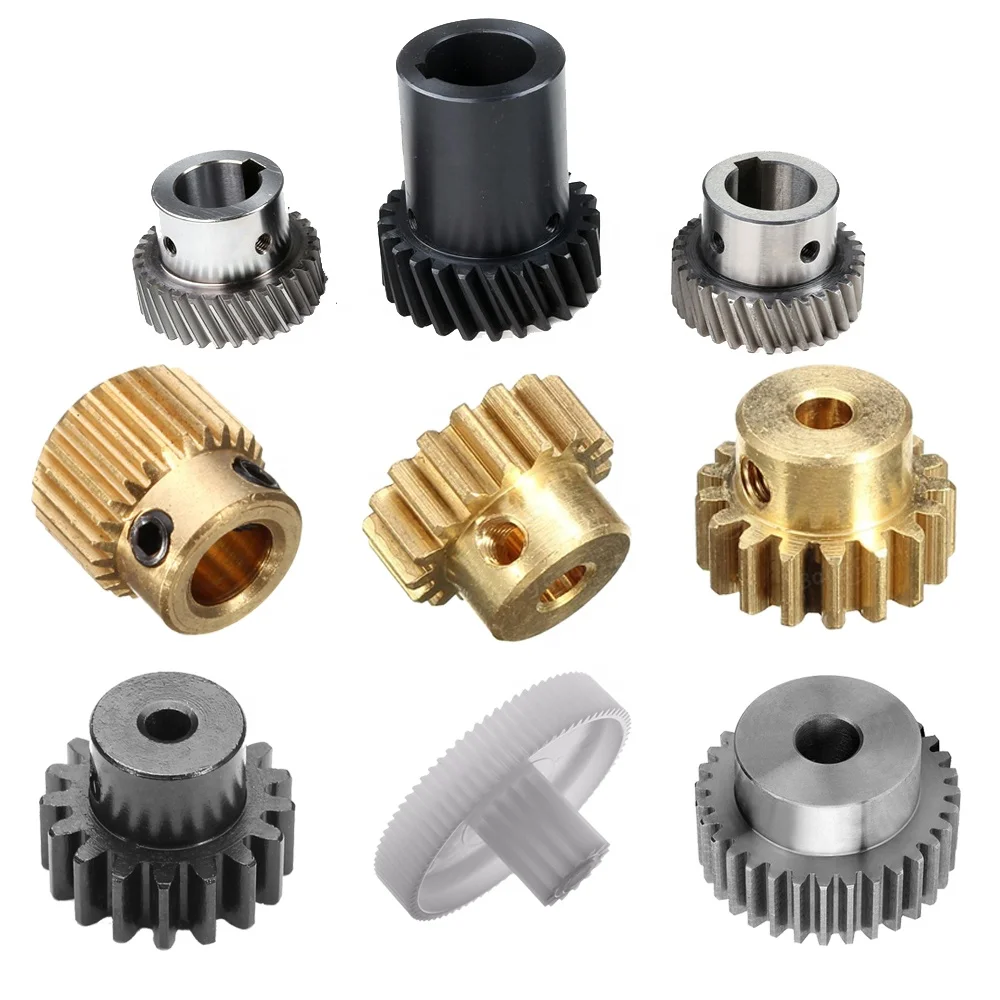
CNC machining (metal and plastic parts from blocks)
Sheet metal fabrication (enclosures, brackets, panels)
Precision casting and forging (complex metal shapes)
Welding and assembly (joining and final product assembly)
These services are widely available. However, quality varies dramatically between shops. Using real-world cases will help you see the difference.
02Case 1: What Happens When You Only Compare Prices
A hardware startup needed 500 aluminum enclosures. They sent their 3D files to three Shenzhen fabricators and chose the lowest quote – 30% cheaper than the others.
The result:
First batch delivered two weeks late.
Hole positions were off by 1.5mm, making assembly impossible.
Surface finish had visible scratches and inconsistent anodizing.
The startup paid another $2,000 to rework the parts locally, wiping out any savings. They later learned the cheap fabricator had no quality control (QC) and used worn-out machines.
Why this happens: Low-cost shops often skip first-article inspection, use thinner materials than specified, or outsource your job to an even smaller workshop without telling you.
03Case 2: How a Verified Process Works
Another company needed 200 sheet metal brackets for a medical device. Instead of chasing the lowest price, they did this:
1. Requested a DFM report (Design for Manufacturing) from each candidate. Only two shops provided a detailed report with suggested improvements to reduce cost and improve strength.
2. Asked for a sample before mass production. One shop refused; the other agreed and charged a fair sample fee.
3. Visited the shop via a live video call to check their machines (laser cutters, press brakes, CMM measuring equipment).

4. Signed a simple quality agreement specifying material grade (6061-T6 aluminum), thickness tolerance (±0.1mm), and surface finish (clear anodizing, no visible marks).
The result:
Samples passed all tests on first try.
Full order completed in 18 days – exactly as quoted.
No defects, no rework, no delays.
This company paid about 15% more than the lowest quote, but they saved weeks of headaches and got a product they could sell immediately.
04The Core Steps to Get Reliable Shenzhen Fabrication
Follow these five steps exactly as written. Do not skip any.
Step 1: Prepare a Complete Technical Package
A complete package includes:
3D CAD files (STEP or IGES format – avoid STL for fabrication)
2D drawings with critical dimensions, tolerances, and surface finish callouts
Material specification (grade, hardness,finish, etc.)
Quantity and desired lead time
Without a drawing, you leave quality to chance. Always add tolerances like “±0.1mm on hole positions” or “flatness 0.2mm max.”
Step 2: Screen Suppliers Using Red Flags
Look for these warning signs:
No physical address or only a PO box
Cannot provide a DFM analysis of your design
Quotes come back in under 2 hours for complex parts (indicates no real engineering review)
Asks for 100% payment upfront before sampling
Refuses to share photos or videos of similar past work
Safe suppliers typically:
Have a verifiable factory location in Shenzhen (Bao’an, Longhua, or Longgang districts)
Provide a DFM report within 24–48 hours
Offer sample production (paid, but reasonable)
Accept 30–50% deposit, balance before shipment
Step 3: Verify with a Sample Order
Never go straight to mass production. Order 1–5 samples first. During sampling, confirm:
Dimensional accuracy – measure critical features with calipers or a CMM
Material correctness – check certificates or do a simple test (e.g., hardness)
Surface finish – compare to your reference standard (e.g., “matching RAL 9005, matt”)
If the sample fails any requirement, do not proceed. A reliable fabricator will fix the issue and produce a second sample at no extra charge.
Step 4: Use a Simple Quality Checklist for Mass Production
Before they start full production, agree on a one-page QC checklist. Include:
First article inspection – 100% measurement of first piece off the line
In-process checks – every 50 or 100 parts
Final random sampling – e.g., MIL-STD-105E, Level II, AQL 1.5 for critical defects
Get the checklist in writing – even a simple email confirmation works.
Step 5: Plan Logistics and Payment Safely
Use incoterms clearly (e.g., EXW Shenzhen, FOB Shenzhen, or CIF your port)
Ask for packing photos before final payment
Never pay the full balance before seeing the packed goods
For first-time orders, consider a third-party inspection service (costs $200–400 and is worth it)
05Common Questions Answered
Q: How long does Shenzhen fabrication typically take?
Simple CNC or sheet metal parts: 5–10 days for samples, 15–25 days for 500–1000 pieces. Complex assemblies add 5–10 days.
Q: What is a reasonable price for a sample?
Sample prices are usually 3–5 times the per-piece mass production cost because of setup time. For example, if mass production is $10/piece, expect $30–50 for one sample. This is normal.
Q: Do I need to speak Chinese?
No. Most export-oriented shops have English-speaking sales engineers. Use simple, clear English and repeat critical numbers (e.g., “tolerance 0.1mm, zero point one millimeter”).
Q: What if my design changes after sampling?
Send the revised files and ask for a new DFM. Minor changes may cost nothing; major changes require a new sample. Always get a revised quote in writing.
06Repeat of the Core Truth
You cannot get reliable Shenzhen fabrication by only looking at price. The three pillars of success are:
1. Complete technical documentation (drawings + tolerances)
2. Verification through samples (never skip this)
3. Agreed quality checks (written, simple, and followed)
Every failed case we have seen – from off-dimension holes to wrong materials – traces back to skipping one of these three pillars.
07Actionable Recommendations – Do This Now
If you are ready to start your Shenzhen fabrication project:
1. Open your CAD file and export a STEP file and a PDF drawing with critical tolerances.
2. Write a one-paragraph project summary: material, quantity, target lead time, and surface finish.
3. Contact three to five fabricators with that package. Ask for a DFM report and sample pricing.
4. Compare not just price, but their engineering feedback. The one that asks good questions is usually the right one.
5. Order samples from the top two candidates. Test them. Then choose.
For low-risk, low-quantity projects (under 100 pieces), you can also use online fabrication platforms, but still apply the same verification steps – never assume quality.
Final reminder: Shenzhen fabrication is an extraordinary resource when managed correctly. The difference between a nightmare and a success story is simply following a process. You now have that process. Use it.