
Quick answer:
Copper castings are metal components formed by pouring molten copper or copper alloys into a mold. They are widely used in CNC machining for parts that require high thermal conductivity, electrical conductivity, or corrosion resistance. However, not all copper castings are the same. The alloy composition, casting method, and post-processing quality directly affect the final part’s performance, machinability, and lifespan. Buyers should evaluate material certification, casting tolerances, and the supplier’s ability to support custom specifications before making a purchase decision.
Copper castings are often specified in applications where heat dissipation, electrical performance, or resistance to harsh environments is critical. Yet many procurement teams focus only on unit price, overlooking how casting quality impacts machining cost, scrap rate, and long-term reliability. Understanding the variables behind copper castings helps you make a more informed sourcing decision.
Table of Contents
1. What Are Copper Castings and Why They Matter
2. Common Copper Alloys Used in Castings
3. Casting Methods for Copper Parts
4. Key Quality Factors to Check Before Ordering
5. Copper Castings vs Wrought Copper: Key Differences
6. Common Applications in CNC Machining
7. Questions Buyers Often Ask About Copper Castings
8. Need Help Selecting the Right Copper Casting Solution
01What Are Copper Castings and Why They Matter
Copper castings are produced by melting copper or copper alloys and pouring the liquid metal into a prepared mold. Once solidified, the raw casting is often machined to meet final dimensions and surface finish.
The advantage of casting is the ability to create complex geometries that would be difficult or expensive to produce from wrought stock. For CNC shops, this means less material waste and shorter cycle times on certain part families.
But casting quality varies significantly between foundries. Poor casting practices can introduce porosity, inclusions, or inconsistent hardness that make machining more difficult and increase your rejection rate. That is why evaluating the casting source is just as important as evaluating the final machined part.
02Common Copper Alloys Used in Castings
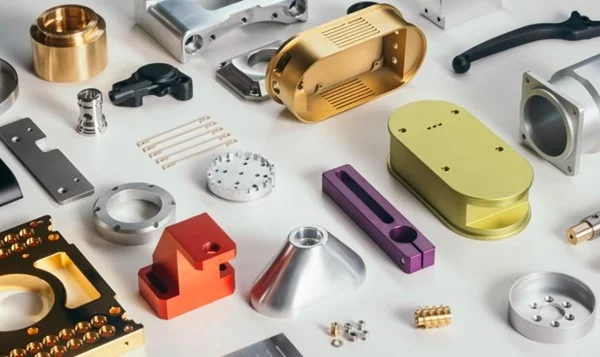
Not all copper alloys behave the same way in castings. The alloy choice affects mechanical strength, thermal conductivity, corrosion resistance, and machinability.
Selecting the right alloy is the first step. A mismatch between alloy properties and operating conditions can lead to premature failure, even if the casting is visually acceptable.
03Casting Methods for Copper Parts
The method used to produce a copper casting affects part cost, lead time, and achievable tolerances.
Sand casting is the most common. It is cost-effective for low to medium volumes, but surface finish and dimensional accuracy are limited. If your part requires tight tolerances, you may need significant machining stock.
Investment casting delivers better surface finish and finer detail. It is preferred for complex geometries or when machining from a near-net-shape reduces cycle time. However, tooling costs are higher.
Continuous casting produces bar or tube stock with consistent properties. It is often used when the final part is machined from a single piece rather than a shaped casting.
Centrifugal casting is used for cylindrical parts like rings or bushings. It produces dense, porosity-free structures ideal for rotating applications.
YPMFG supports buyers who need guidance on casting method selection. If your print includes features that are challenging to cast, the engineering team can recommend design adjustments or post-casting machining strategies.
04Key Quality Factors to Check Before Ordering
Buyers often assume all copper castings are interchangeable. That is not correct. The following factors determine whether a casting will perform in your application.
Porosity is the most common defect. It occurs when gas is trapped during solidification. Porosity can cause leaks in pressure applications or failure under cyclic loading. Ask your supplier for radiographic or ultrasonic inspection reports.
Chemical composition must match the specified alloy standard. Even small deviations in copper content or trace elements can alter machinability and corrosion resistance. Request a certified material test report.
Dimensional accuracy depends on the mold quality, shrinkage compensation, and post-casting finishing. If your casting requires tight tolerances, confirm whether the supplier machines after casting or delivers as-cast.
Surface condition affects both appearance and coating adhesion. Oxides, scale, or rough surfaces may require additional cleaning or machining steps.
YPMFG can review your casting drawings and provide feedback on achievable tolerances, recommended machining allowances, and inspection criteria before production begins.
05Copper Castings vs Wrought Copper: Key Differences
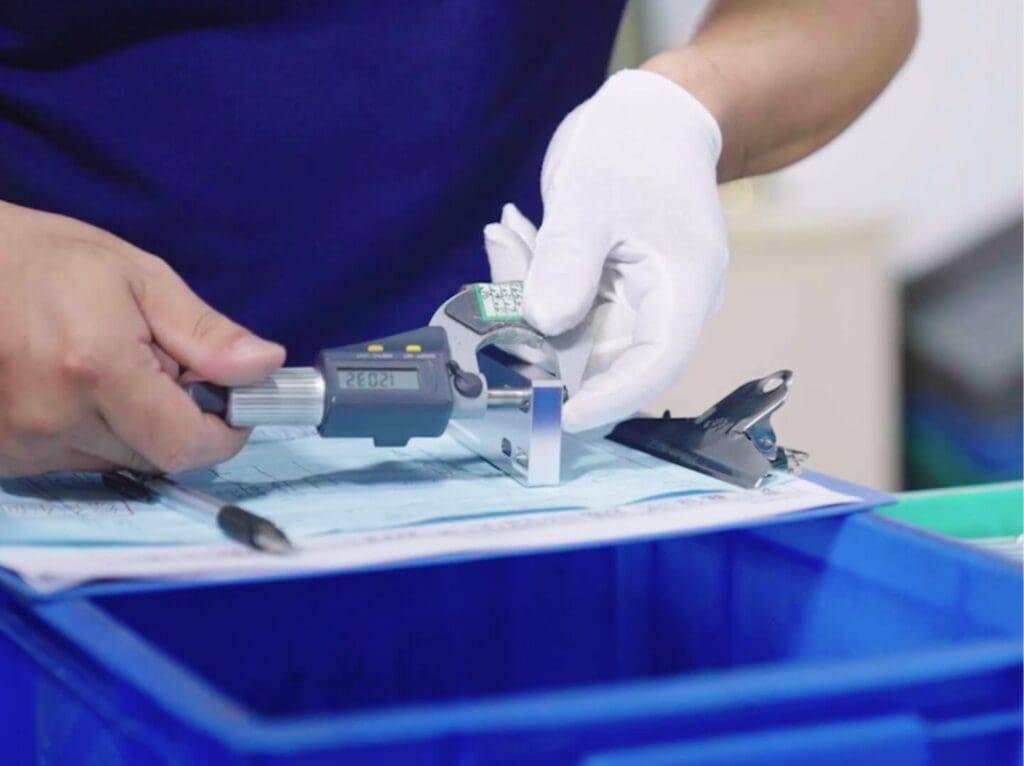
Choosing between cast and wrought copper is not always straightforward. Each form has specific advantages and limitations.
Wrought copper is mechanically worked after casting, which refines the grain structure and improves strength and ductility. It is ideal for parts that undergo bending, forming, or high stress.
Copper castings allow more design freedom. Complex internal passages, undercuts, and thin walls are possible without extensive machining. But the as-cast grain structure may be less uniform, which can affect fatigue life.
For applications where the part is machined entirely from a solid block, wrought copper is often preferred. For parts with complex shapes or internal cavities, castings reduce material waste and machining time.
Your choice should be based on the part geometry, loading conditions, and production volume. When in doubt, send the drawing to a qualified supplier for comparison.
06Common Applications in Copper Castings
Copper castings appear in industries where thermal and electrical performance are non-negotiable.
Electrical power transmission uses copper castings for switchgear components, contact holders, and bus bar connectors. Conductivity and dimensional stability are critical.
Heat exchangers rely on copper castings for headers, manifolds, and pump housings. The alloy must resist corrosion while dissipating heat efficiently.
Marine and offshore equipment specifies copper-nickel castings for valves, fittings, and propellers. Resistance to seawater corrosion is the primary requirement.
Hydraulic systems use bronze castings for valve bodies and pump components. Wear resistance and sealing surface quality are key.
YPMFG works with buyers across these industries. The team can help you specify the right alloy, casting method, and machining approach for your specific operating conditions.
07Questions Buyers Often Ask About Copper Castings
How do I know if a copper casting is good quality?
Request a material test report and inspect the casting for surface defects. For critical applications, ask for non-destructive testing like X-ray or ultrasonic inspection.
Can copper castings be welded?
Yes, but the filler material and preheat temperature depend on the alloy. Some copper alloys require post-weld heat treatment to restore mechanical properties.
What is the typical lead time for copper castings?
Sand casting lead times range from 4 to 8 weeks. Investment casting can take 6 to 12 weeks depending on mold complexity.
Are copper castings more expensive than steel castings?
Material cost is higher, but the total cost depends on machining time, tool wear, and scrap rate. Copper’s machinability can offset material cost in some applications.
Can I machine a copper casting to a surface finish of Ra 0.8?
Yes, but it requires sharp tooling, proper coolant, and stable fixturing. If the casting has porosity near the surface, achieving a good finish may be difficult.
Do copper castings require heat treatment?
Some alloys benefit from annealing or stress relief after casting. Check the alloy specification and consult with your supplier.
What tolerances can I expect from sand cast copper?
Typical linear tolerances are ±0.030 inches for small parts and ±0.060 inches for larger ones. Tighter tolerances require machining after casting.
How should I store copper castings before machining?
Keep them in a dry environment. Copper can oxidize over time, especially in humid or acidic conditions.
08Need Help Selecting the Right Copper Casting Solution
Choosing the right copper casting is not just about finding the lowest price. It is about matching the alloy, casting method, and quality control to your specific application requirements.
A poorly selected casting can increase machining time, raise scrap rates, and cause field failures. A properly specified casting, on the other hand, reduces total cost and improves product reliability.
YPMFG can help you evaluate your current part requirements. Whether you need a custom alloy recommendation, a review of your casting drawing, or a full turnkey solution that includes casting and CNC machining, the team is ready to support your project.
Send your specifications or part drawings to YPMFG for a professional engineering review and a clear, no-obligation recommendation.