Quick answer:
Tight tolerance CNC machining services produce parts within extremely narrow dimensional limits, typically ±0.0005 inches or better. These services are essential for industries like aerospace, medical devices,and automotive where part fit and function depend on precision. When selecting a provider, focus on their equipment capabilities, quality control processes, and experience with your specific material and application.
Many engineers and procurement specialists face a critical challenge: finding a CNC machining service that can consistently deliver parts meeting tight tolerances without compromising quality or timeline. The cost of selecting the wrong manufacturer can be significant, from rejected parts to production delays and even safety risks in critical applications.
YPMFG works with clients who need precision components for demanding applications. This article explains what to look for when evaluating tight tolerance machining services and how to make an informed decision for your project.
Understanding Tight Tolerance CNC Machining
Tight tolerance CNC machining refers to manufacturing processes that hold parts to precise dimensional specifications. Standard CNC machining typically achieves tolerances around ±0.005 inches. Tight tolerance machining goes further, often reaching ±0.0005 inches or better.
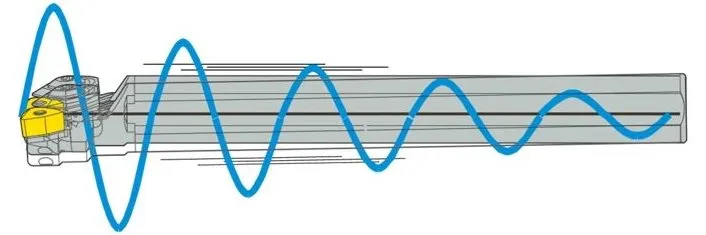
Several factors influence whether a job shop can deliver these precision results. Machine tool quality matters significantly. High-end CNC machines with advanced servos and thermal compensation systems maintain accuracy over extended production runs. Spindle runout, axis alignment, and backlash compensation all play roles in final part quality.
Material selection also affects achievable tolerances. Some metals expand or contract more than others during and after machining. Aluminum and brass tend to be more stable than steel. Plastics require special consideration due to their tendency to creep or deform under clamping pressure.
Key Capabilities to Evaluate
When comparing precision CNC manufacturing providers, several technical capabilities should be on your checklist.
Each of these elements contributes to whether a shop can reliably produce parts at your required tolerance level. A provider lacking in any of these areas may struggle to maintain consistency.
Material Selection and Its Impact
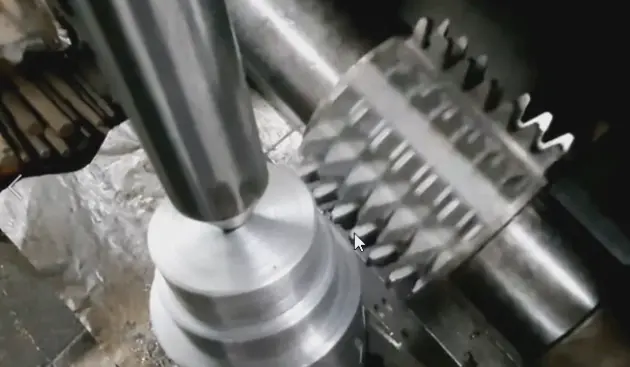
Different materials present unique challenges when machining to tight tolerances. Understanding these differences helps you specify your project correctly and avoid costly rework.
Aluminum alloys like 6061 and 7075 are popular choices for precision parts. They machine well and hold tight tolerances reliably. However, 7075 aluminum can be more prone to stress relief distortion after machining.
Stainless steels, particularly 316 and 17-4 PH, offer excellent strength and corrosion resistance. They require more careful machining strategies to achieve tight tolerances. Proper tool geometry and cutting parameters are essential.
Titanium alloys demand specialized approaches. They have low thermal conductivity, which means heat concentrates at the cutting edge. This can lead to tool wear and dimensional variation if not managed properly.
Engineering plastics like PEEK, Delrin, and PTFE present their own considerations. These materials can deform under clamping force or change dimensions with temperature fluctuations. Machining strategies must account for these behaviors.
Quality Control and Verification
A reliable precision parts manufacturer implements rigorous quality control processes. These processes ensure that every part meets specified tolerances before shipment.
First article inspection represents a critical step. This process verifies that the first produced part meets all drawing requirements. It typically includes dimensional measurement of every feature, surface finish verification, and material certification review.
Statistical process control helps maintain consistency across production batches. By tracking key dimensions over time, shops can detect drift before it results in out-of-spec parts. This proactive approach reduces waste and ensures repeatability.
Coordinate measuring machines provide the most accurate dimensional verification. These instruments can measure features with micron-level precision. Many shops also use optical comparators for quick profile verification.
Common Applications for Tight Tolerance Parts
Certain industries consistently require tight tolerance machining services due to the critical nature of their components.
Aerospace and defense applications demand precision in engine components, landing gear parts, and structural fittings. These parts must perform reliably under extreme conditions. Dimensional accuracy directly affects safety and performance.
Medical device manufacturing requires tight tolerances for implants, surgical instruments, and diagnostic equipment. Biocompatible materials and stringent cleanliness standards add complexity to these projects.

Automotive applications, particularly in racing and electric vehicle sectors, benefit from precision machining. Engine components, sensor housings, and battery management systems all require consistent quality.
Industrial equipment manufacturers specify precision parts for robotics, semiconductor equipment, and measurement instruments. These applications often involve complex geometries and multiple tight-tolerance features.
Cost Factors to Consider
Understanding cost drivers helps you budget appropriately and avoid surprises. Several factors influence the price of tight tolerance CNC machining.
Part complexity directly affects machining time. Features like deep holes, thin walls, and intricate contours require more careful tool paths and slower cutting speeds. These considerations increase production time and cost.
Material choice impacts both material cost and machinability. Some materials require specialized tooling or slower cutting parameters. This increases both direct material costs and processing time.
Order quantity influences unit pricing through economies of scale. Larger batches allow shops to optimize setups and reduce per-part cost. However, tight tolerance work often involves smaller production runs.
Quality documentation and inspection requirements add to project cost. Comprehensive inspection reports, material traceability, and certification processes require additional time and resources.
How YPMFG Supports Your Project
YPMFG provides CNC machining services with a focus on precision and reliability. Our team offers engineering evaluation to help you select appropriate materials and processes for your application.
We support projects from initial design review through production delivery. Our quality control processes include first article inspection, in-process verification, and final measurement reporting. We provide documentation that meets industry standards for traceability.
Clients can request a quote by submitting their drawings and specifications. Our engineering team reviews each project to identify potential challenges and recommend optimal approaches. We also offer sample production to validate processes before full manufacturing begins.
Common Questions About Tight Tolerance Machining
What tolerance range qualifies as tight tolerance?
Tight tolerance typically means ±0.0005 inches or better. However, the specific requirement depends on your application. Some projects may need ±0.001 inches, while others require ±0.0002 inches or tighter.
How do I specify tolerances on my drawings?
Draw tolerances using geometric dimensioning and tolerancing standards. Specify which features require tight tolerances and which can be looser. This helps manufacturers prioritize processes and allocate resources appropriately.
Can tight tolerances affect part strength?
Yes, achieving tight tolerances sometimes requires removing more material or using specific machining strategies. These factors can affect part geometry and strength. Discuss your design with your manufacturer to ensure the final part meets both dimensional and structural requirements.
What is the typical lead time for precision parts?
Lead times vary based on part complexity, quantity, and material availability. Standard precision machining projects may take two to four weeks. More complex parts or those requiring special materials may need additional time for setup and quality verification.
How do I verify a machine shop can meet my tolerance requirements?
Request information about their equipment capabilities, quality control processes, and relevant experience. Ask for examples of similar projects they have completed. A reputable shop will provide documentation of their precision capabilities.
Making a Better Long-Term Decision
Choosing the right CNC machining service provider requires evaluating technical capabilities, quality processes, and industry experience. Tight tolerance machining demands specialized equipment, skilled operators, and rigorous quality control.
YPMFG offers engineering support throughout your project. We help you understand process capabilities, select appropriate materials, and verify quality requirements. Our team provides detailed quotes and can assist with design for manufacturability improvements.
You can send your specifications to YPMFG for review. Our engineers will evaluate your requirements and recommend the most effective approach for your application. We also offer sample production to validate our capabilities before you commit to full manufacturing.