
Quick answer:
Choosing the right machining metal part supplier comes down to three things: material expertise, process capability, and quality verification. A reliable partner should offer engineering evaluation, provide clear CNC machining specifications, and support your project from prototype to production. At YPMFG, we help buyers compare options and select the right metal machining services for their specific application.
Many engineers and procurement teams face the same challenge: they need precision metal parts but are unsure how to evaluate a manufacturer properly. The wrong choice can lead to dimensional errors, material mismatches, delayed delivery, and higher total cost. This guide walks you through the practical steps to make a confident decision.
Understanding Metal Machining Processes
CNC machining is the most common method for producing precision metal parts. It includes milling, turning, drilling, and grinding operations performed on computer-controlled equipment. Each process suits different geometries, tolerances, and production volumes.
The process you select depends on part complexity, required machining tolerances, and batch size. Simple cylindrical parts often use turning, while complex 3D contours require multi-axis milling. Hybrid approaches are common in high-precision industries.
YPMFG supports projects that require multi-axis CNC milling and CNC turning across a range of materials. You can send your specifications to us for a technical review and process recommendation.
Material Selection for Machined Parts
Material choice directly affects machinability, final strength, corrosion resistance, and cost. The most commonly used metals in metal part machining include:
Aluminum (6061, 7075): Lightweight, excellent machinability, good for aerospace and automotive
Stainless steel (304, 316, 17-4PH): Corrosion-resistant, high strength, used in medical and food processing
Brass and bronze: Good conductivity, easy to machine,common in valves and fittings
Titanium: High strength-to-weight ratio, biocompatible, used in medical implants
Engineering plastics (PEEK, Delrin): Non-metal alternatives for insulating or lightweight applications
Each material has different CNC machining parameters, tool wear rates, and surface finish capabilities. Selecting the wrong material can cause premature tool failure or part distortion during finishing.
Key Factors in Supplier Evaluation
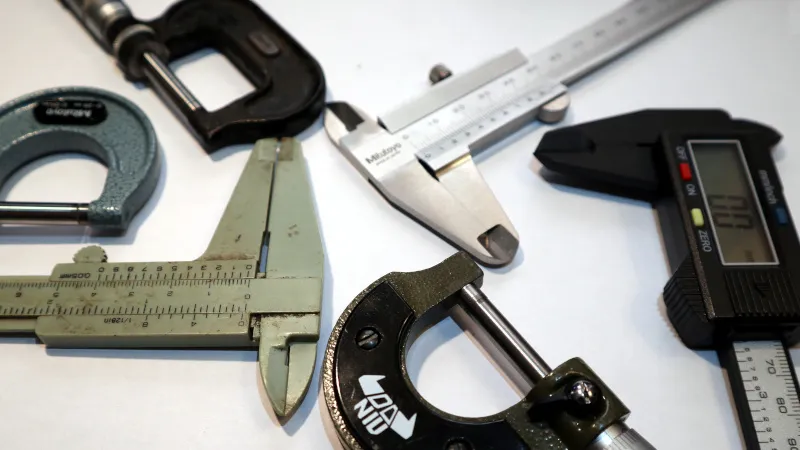
Evaluating a CNC machining supplier requires looking beyond price. The following factors determine whether a manufacturer can deliver consistent, reliable results:
These criteria should be part of your supplier qualification checklist. YPMFG provides first-article inspection reports and full material traceability for every order.
Cost Structure of Machined Metal Parts
The cost of a machined metal part is influenced by several variables. Understanding these helps you evaluate quotes accurately and avoid unexpected expenses.
The primary cost drivers include:
Material cost: Varies significantly between aluminum, steel, titanium, and exotic alloys
Part geometry: Complex features, tight tolerances, and thin walls increase machining time
Surface finish requirements: Anodizing, passivation, or polishing add post-processing steps
Quantity: Unit price decreases with volume due to setup cost amortization
Tolerance等级: Tighter tolerances require slower cutting speeds and additional inspection
A low unit price may hide hidden costs such as poor surface finish, inadequate documentation, or unreliable delivery. Always request a complete quote that includes post-processing options and inspection documentation.
Common Mistakes When Sourcing Machined Parts
Buyers often make avoidable errors during the sourcing process. Being aware of these pitfalls helps you protect your project timeline and budget.
One frequent mistake is providing incomplete drawings or ambiguous GD&T specifications. This leads to interpretation differences between you and the manufacturer, resulting in parts that do not meet functional requirements. Always include clear callouts for critical dimensions and tolerances.
Another common error is selecting a supplier based solely on price without verifying their quality management system. A cheap quote from an unverified shop can result in scrap parts and project delays. Request documentation of their ISO certification, inspection equipment, and process controls before placing an order.

Finally, many buyers fail to plan for prototype testing before committing to full production. Running a small batch test allows you to verify fit, function, and surface quality before scaling up.
Standards and Compliance in Metal Machining
Different industries require specific compliance standards for machined components. Knowing these requirements upfront prevents costly redesigns and certification failures.
Common standards include:
ISO 9001: General quality management system certification
AS9100: Quality standard for aerospace and defense manufacturing
ISO 13485: Quality management for medical device production
IATF 16949: Automotive industry quality standard
NADCAP: Special process accreditation for heat treating and coating
Your supplier should be able to provide certificates and support audits for your industry’s requirements. YPMFG offers engineering consultation to help you identify the correct standards for your application.
How to Request a Quote for Machined Parts
Submitting a clear and complete request accelerates the quoting process and improves quote accuracy. The following information should be included in your inquiry:
Engineering drawings with GD&T and material specification
Target quantity and production timeline
Surface finish and any post-processing requirements
Application context to help the supplier understand functional needs
Quality documentation requirements such as inspection reports or material certs
When you send these details to a manufacturer like YPMFG, their engineering team can evaluate feasibility, suggest process optimizations, and provide a competitive quote within a short turnaround.
Common Questions About Machining Metal Parts
What is the typical lead time for CNC machined parts?
Lead time depends on part complexity, material availability, and quantity. Standard parts often ship within 5 to 15 business days. Complex or high-volume orders may require 3 to 6 weeks. Rush service is usually available for urgent projects.
Which material is best for general-purpose machining?
Aluminum 6061 is the most versatile choice for general applications. It offers a strong balance of machinability, weight, and cost. For higher strength or corrosion resistance, stainless steel or titanium may be more appropriate.
How do I ensure dimensional accuracy in machined parts?
Clear GD&T on your drawings, verified inspection reports, and communication with your supplier are essential. Ask for first-article inspection data and coordinate on critical tolerances before production begins.
Can a supplier help with design for manufacturability?
Yes. Experienced manufacturers like YPMFG offer DFM feedback during the quoting phase. They can suggest design adjustments that reduce cost and improve reliability without affecting function.
What quality documents should I expect from a machining supplier?
Typical documentation includes material certificates, inspection reports, surface finish verification, and process records. Specific requirements vary by industry and should be stated in your purchase order.
Making a Better Long-Term Decision
Selecting the right metal machining partner is not just about finding the lowest price. It is about finding a manufacturer who understands your application, communicates clearly, and delivers consistent quality. The factors covered in this guide—process capability, material expertise, quality systems, and cost transparency—form the foundation of a reliable sourcing decision.
If you are evaluating suppliers for your next project, consider sending your drawings and specifications to YPMFG for a free engineering review. Our team can provide process recommendations, identify potential manufacturing challenges, and deliver a detailed quote tailored to your requirements.