Quick answer:
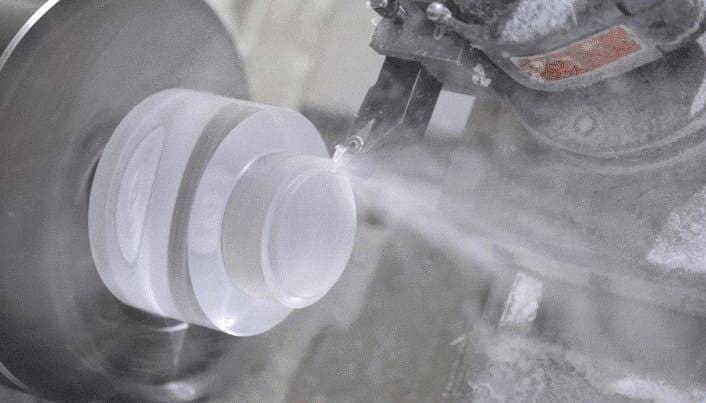
The cost of CNC machining typically ranges from $50 to $500 per part for standard production runs, but prices vary significantly depending on material, geometry, tolerances, and order volume. For prototype jobs, expect setup fees of $100 to $300 plus per-part charges. Bulk orders reduce unit costs through amortized setup time and optimized toolpaths. At YPMFG, we provide transparent quotations based on your drawings so you know exactly what you are paying for before committing.
The reality is that most buyers receive vague quotes or misleading low-ball offers that do not reflect true production complexity. Hidden costs often appear later as rush fees, secondary operations, or quality rejections. This article explains the real cost drivers, common pricing mistakes, and how to evaluate quotes accurately before choosing a manufacturer.
What Actually Determines CNC Machining Costs
CNC machining cost calculation depends on multiple factors that interact with each other. Understanding these variables helps you prepare better specifications and avoid overpaying for unnecessary features.
The primary cost drivers include CNC machining materials, part geometry complexity, dimensional tolerances, surface finish requirements, order quantity, and lead time. Each factor influences machining time, tool wear, programming effort, and quality control steps.
Material selection alone can double or triple your part cost. Aluminum 6061 remains the most economical choice for general applications. Stainless steel, titanium, and engineering plastics cost more due to harder cutting characteristics and slower feed rates. Material form also matters. Bar stock is cheaper than forged or pre-machined blanks for high-volume runs.
Part geometry affects machine time directly. Simple prismatic parts with orthogonal features machine faster than complex 3D contours, undercuts, or thin walls. Deep cavities require long-reach tools that run slower and wear quicker. Each additional setup position adds fixture time and alignment risk.
CNC machining tolerances and surface finish specifications have the most impact on pricing beyond basic geometry. Standard tolerances of ±0.1 mm are inexpensive. Tighter tolerances of ±0.025 mm or finer require slower cuts, specialized tooling, and often coordinate measuring machine verification. Surface finishes below Ra 1.6 μm need additional polishing or grinding operations that add significant labor cost.
CNC Machining Cost by Material Type
Different materials carry distinct machining characteristics that directly affect production time and tool consumption. The table below shows typical relative cost ranges for common CNC machining materials.
These cost ranges are directional indicators. Your actual price depends on part design, tolerance requirements, batch size, and finishing needs. A simple aluminum bracket may cost under $20 per unit in a run of 100 pieces. The same part in titanium with ±0.025 mm tolerance could exceed $150 per unit.
CNC Machining Cost by Order Quantity
CNC machining pricing changes dramatically with order volume because setup and programming costs spread across more units. One-off prototypes carry high per-part costs. Production runs of thousands drive unit prices down substantially.
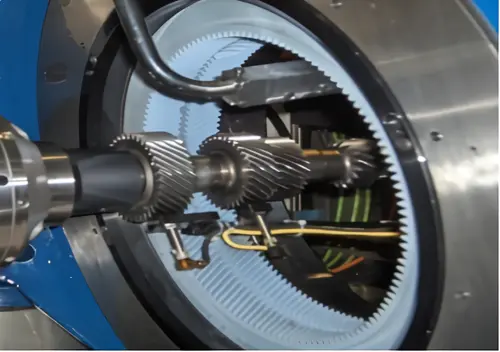
For prototype orders of 1 to 10 parts, expect to pay full setup fees plus per-part machining time. Setup may include fixture design, CAM programming, first-article inspection, and machine calibration. These fixed costs dominate the total price when quantity is low.
Medium-volume orders from 50 to 500 parts benefit from reduced per-unit setup allocation. Repeated parts allow fixture reuse and proven toolpaths. Machine operators can optimize cycles through experience. Unit costs typically drop 30 to 60 percent compared to single-piece pricing.
High-volume production runs above 1000 parts achieve the lowest per-unit costs. At this scale, dedicated fixtures, optimized cycle times, and statistical process control reduce waste and inspection overhead. Economies of scale become meaningful when total material removal and machine hours are significant.
YPMFG supports projects across all volume ranges. We provide volume discounts for repeat orders and help engineering teams transition from prototype to production without redesigning parts for manufacturability.
How Lead Time Affects CNC Machining Cost
Lead time is a hidden cost factor that many buyers overlook. Standard production lead times of 5 to 15 business days carry baseline pricing. Rush orders within 3 to 5 days often incur 25 to 50 percent surcharges. Emergency 24 to 48-hour turnaround can double or triple the quoted price.
Rush pricing compensates manufacturers for overtime labor, expedited shipping, priority scheduling, and potential disruption to existing production queues. It also reflects the reduced ability to optimize toolpaths and batch similar parts efficiently.
Planning ahead is the most effective way to avoid rush fees. Share your target delivery date early in the quoting process. A realistic timeline allows the manufacturer to schedule capacity, source materials at standard pricing, and plan quality checks without compression.
If you need fast turnaround occasionally, establish a standing relationship with a shop like YPMFG. Long-term partners often offer more flexible rush pricing than spot-quote buyers because they understand your quality standards and can prepare in advance.
Common Cost Mistakes When Sourcing CNC Parts
Many buyers make purchasing errors that inflate costs or compromise part quality. Understanding these pitfalls helps you negotiate better and specify parts more efficiently.
Mistake one is requesting unrealistic tolerances everywhere. Specify tight tolerances only on functional mating surfaces. Non-critical dimensions can use standard ±0.1 mm or ±0.005 inch tolerances without penalty. Over-specifying tolerances increases machining time, inspection requirements, and scrap rates across the entire part.
Mistake two is ignoring surface finish needs. Not all parts require mirror finishes. Standard mill or bead-blast finishes are sufficient for most structural and cosmetic applications. Only specify anodizing, passivation, or polishing where function or appearance demands it.
Mistake three is comparing quotes without standardized specifications. Two manufacturers may quote very different prices for the same drawing because they interpret tolerances,finishes, or inspection requirements differently. Always request quotes based on identical CAD files and written specifications to ensure apples-to-apples comparison.
Mistake four is focusing only on unit price while ignoring total cost of ownership. A cheap quote may hide costs in poor quality control, delayed deliveries, or inadequate documentation. Request CNC machining quotes that include material certification, inspection reports, and clear communication channels.
What to Expect in a Professional CNC Machining Quote
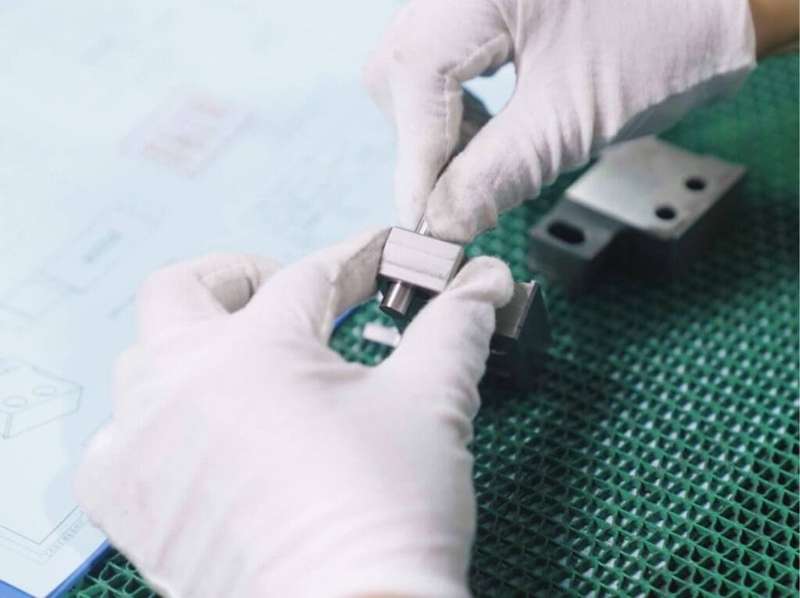
A complete quotation should contain specific information that allows accurate cost comparison and technical validation. Request quotes from suppliers who provide detailed breakdowns rather than single line-item prices.
A professional CNC machining price estimate includes material type and form, part dimensions and weight, tolerance specifications per feature, surface finish requirements, order quantity and unit price, setup and programming fees, tooling or fixture costs if applicable, lead time and shipping method, and quality documentation scope.
Ask whether the quote includes first-article inspection reports, material traceability certificates, and coordinate measurement data. These documents matter for regulated industries such as medical, aerospace, and automotive applications.
YPMFG provides comprehensive quotations with technical notes and manufacturing recommendations. Our engineers review your drawings before quoting and flag potential manufacturability issues that could increase cost or affect quality. This proactive approach prevents surprises later in production.
How to Reduce CNC Machining Costs Without Compromising Quality
Design for manufacturability is the most powerful cost-reduction strategy. Small design adjustments can dramatically lower machining time, material waste, and secondary operations.
Use standard hole sizes and drill bit diameters wherever possible. Non-standard holes require special tooling or rework. Standard internal corner radii of at least 0.5 mm reduce tool wear and allow complete material removal without engraving operations.
Minimize deep cavities and thin walls. Deep pockets require long tools that vibrate and wear faster. Thin sections may need special fixturing or slow feeds to prevent deflection. Adding relief features or slightly increasing wall thickness often pays for itself in reduced machining time.
Consolidate features where possible. Parts requiring five-axis machining are more expensive than equivalent parts designed for three-axis machining. Redesigning a component to use orthogonal features eliminates setup changes and reduces programming complexity.
Request engineering evaluation from your manufacturer early in the design phase. An experienced shop can suggest design modifications that maintain function while reducing cost. This collaboration often saves more money than negotiating unit price alone.
Frequently Asked Questions About CNC Machining Costs
How much does it cost to CNC machine a simple aluminum part?
A simple aluminum bracket measuring 100 x 50 x 20 mm with standard tolerances typically costs $15 to $40 per unit in quantities of 50 to 100 pieces. Single prototypes may cost $75 to $150 including setup fees.
Why do CNC machining quotes vary so much between suppliers?
Quotes vary because manufacturers interpret tolerances, finishes, inspection requirements, and material grades differently. Some include documentation and quality control while others quote bare machining time. Request detailed specifications and compare like items.
Is it cheaper to machine parts locally or overseas?
Local machining often costs more per unit but reduces shipping, communication, and quality risk expenses. Overseas sourcing saves on unit price but adds freight, import duties, longer lead times, and potential language barriers. Total cost depends on your location, volume, and quality requirements.
How long does a CNC machined part typically last?
Properly machined metal parts last decades under normal operating conditions. Fatigue life depends on material selection, surface finish, residual stresses from machining, and operating environment. Aluminum parts in non-corrosive environments commonly exceed 10 years of service life.
Do I need third-party inspection for CNC machined parts?
Third-party inspection is recommended for safety-critical or regulated applications. For general industrial parts, supplier quality documentation and in-house verification are often sufficient. Define your inspection requirements before requesting quotes.
Can I modify my design to reduce machining cost?
Yes. Modifying internal corner radii, reducing unnecessary tolerances, standardizing hole sizes, and minimizing five-axis features can reduce cost by 20 to 40 percent. Share your drawings with your manufacturer for custom solution recommendations.
What is the minimum order quantity for CNC machining?
Most job shops accept single prototype pieces. There is no universal minimum order quantity for CNC零部件制造服务. Some suppliers prefer 10-piece minimums for economic setup amortization, but many accept one-off prototypes at higher per-unit pricing.
Choosing the Right CNC machining partner for Your Project
Cost is important, but it should not be the only decision factor. A low-price quote with poor quality control, missed deadlines, or inadequate documentation can cost more in the long run through rework, delays, and production stoppages.
Evaluate manufacturers on technical capability, communication responsiveness, quality processes, and transparency. Request references and review their approach to problem-solving. A supplier that questions your design early and suggests improvements demonstrates expertise that saves money throughout the project lifecycle.
When you are ready to move forward, send your CAD files and specification sheet to YPMFG. Our engineering team reviews each submission for manufacturability and provides a detailed quotation within one business day. You will receive a complete cost breakdown with technical notes so you can make an informed decision confidently.