
Quick answer:
A truly cheap CNC service rarely exists without trade-offs. Low unit prices often hide hidden costs like poor surface finish, dimensional errors, or delayed delivery. The real value comes from balancing competitive pricing with reliable quality control, clear communication, and on-time fulfillment. At YPMFG, we help engineers and procurement teams find the right balance by offering transparent pricing, engineering review, and consistent quality across small batches and high-volume orders.
Procurement teams constantly face the same dilemma: how to reduce CNC machining costs without sacrificing part quality or risking production delays. Many buyers search for “cheap CNC service” hoping to cut expenses, but end up paying more in rework, scrap, or schedule disruptions. This article explains what actually drives CNC pricing, how to evaluate a supplier beyond the unit cost, and what questions to ask before placing an order.
What Determines the Real Cost of CNC Machining?
The quoted price for a CNC part is only the visible layer. Behind every unit price are several factors that directly affect both cost and outcome. Understanding them helps you avoid low-ball quotes that fail to deliver.
Material cost accounts for a significant portion of the total price. Aluminum 6061, stainless steel 304, and engineering plastics like PEEK or Delrin all carry different raw material premiums. A supplier may quote aggressively on material but cut corners elsewhere.
Tolerance requirements dramatically influence machining time and tool wear. Standard tolerances of ±0.1 mm are far cheaper to produce than aerospace-grade ±0.025 mm. Every micrometer tightened adds programming time, slower cutting speeds, and additional inspection steps.
Surface finish specifications also matter. A mill finish costs nothing extra. An anodized or bead-blasted surface requires secondary operations and quality checks. Buyers who request unnecessary finishes inflate their budgets without gaining functional value.
Lead time expectations shape pricing as well. Rush orders demand machine slot prioritization, overtime labor,and expedited shipping. Standard lead times allow shops to batch similar parts and optimize tool paths efficiently.
Why the Lowest Quote Is Not Always the Best Choice
Many buyers select suppliers based primarily on unit price. This strategy often backfires when quality issues surface during assembly or field use. Here is why a seemingly cheap CNC service can become expensive in practice.

Dimensional non-conformance is the most common source of hidden cost. A part may look acceptable visually but fail to assemble due to slight bore misalignment or incorrect thread pitch. Rework, replacement, and line stoppages quickly erase any initial savings.
Poor surface quality leads to premature wear or cosmetic rejection. Rough finishes on bearing seats or sealing surfaces cause functional failures that standard visual inspection misses. These defects only appear after installation or during stress testing.
Inconsistent batch quality creates unpredictable outcomes. One lot may meet specification while the next does not. This variability forces buyers to increase incoming inspection workload or accept higher reject rates, both of which raise total cost of ownership.
Communication gaps delay problem resolution. Suppliers who do not proactively flag potential issues force buyers to discover defects too late. Early engineer review and clear feedback loops prevent costly surprises down the line.
Key Factors to Evaluate Beyond Unit Price
When comparing CNC service providers, unit price should be just one data point among many. A structured evaluation approach reveals which suppliers can deliver genuine long-term value rather than short-term savings.
Production capability determines whether a supplier can handle your specific part geometry and material. A shop experienced with complex 5-axis parts may struggle with simple turned components, and vice versa. Verify that their equipment matches your part requirements.
Quality management processes directly impact consistency. In-process inspection, final measurement reports, and material certifications provide traceability. Suppliers without documented QC procedures rely on luck rather than systematic quality control.
Engineering support availability reduces risk. A supplier who reviews your drawings before quoting can flag design issues that increase cost or compromise function. This pre-production review often prevents expensive mistakes that would otherwise surface during manufacturing.
Capacity and scheduling transparency affect delivery reliability. Overbooked shops miss deadlines regardless of skill level. Reputable suppliers provide realistic lead time estimates and communicate delays early rather than silently falling behind.
How YPMFG Approaches Affordable CNC Manufacturing
YPMFG operates as a precision machining partner focused on delivering reliable results at competitive prices. Our model is built around three principles: transparent pricing, proactive engineering review, and consistent quality delivery.
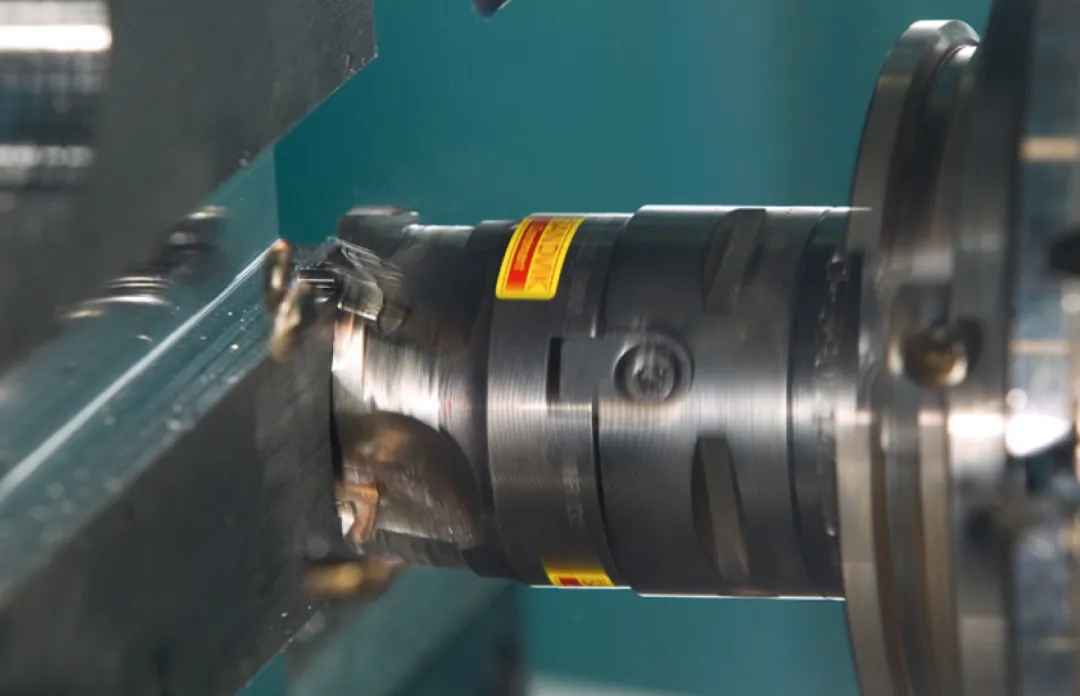
We provide free engineering evaluations for new projects. Our team reviews your CAD files and drawings before quoting, identifying potential cost-saving opportunities and flagging design elements that may cause manufacturing challenges. This upfront analysis prevents unpleasant surprises later.
Our pricing structure breaks down material, machining time, setup, and secondary operations separately. You can see exactly where each cost originates and make informed decisions about where to adjust specifications for budget alignment.
We maintain strict quality control across all production stages. Every batch includes dimensional verification and surface finish inspection. Material certifications are available upon request, ensuring full traceability from raw stock to finished part.
Cost Optimization Strategies for CNC Parts
Smart buyers reduce total manufacturing cost through design and specification choices rather than simply negotiating unit price. These strategies often deliver more savings than supplier price concessions.
Tolerance optimization is the single most effective cost reduction lever. Specify tolerances only where function requires them. Relaxing non-critical dimensions from ±0.05 mm to ±0.1 mm can reduce machining time significantly without affecting assembly or performance.
Material selection directly impacts both part cost and machinability. Aluminum alloys offer excellent machinability and lower material costs compared to stainless steels. For non-structural applications, engineering plastics may eliminate machining complexity entirely while meeting functional requirements.
Part count consolidation reduces setup and handling costs. Designing assemblies that require fewer individual components minimizes the number of separate machining operations, inspection points, and inventory items to manage.
Standard tooling and fixturing choices avoid custom tool requests. Standard end mill diameters, drill sizes, and thread taps are readily available and cheaper to use. Custom tooling orders add lead time and expense with limited benefit.
Comparison of Common CNC Service Approaches
Different manufacturing approaches serve different project needs. Choosing the wrong method for your application inflates cost and compromises quality.
This comparison illustrates that the cheapest option often carries the highest risk. A mid-tier provider with strong quality systems typically delivers better total value than a low-cost shop with inconsistent output.
Practical Questions Before Choosing a CNC Supplier
Buyers who invest time in supplier evaluation before committing usually avoid costly mistakes. These questions reveal whether a provider can meet your actual needs.
What quality documentation do you provide with each shipment? Look for dimensional inspection reports, material certificates, and surface finish verification. Suppliers who cannot produce these documents lack formal quality processes.
Can you perform an engineering review of my drawings before quoting? A responsive supplier will analyze your design for manufacturability and suggest improvements. Silence on this point often indicates limited technical support.
What is your typical tolerance range for standard parts? Providers confident in their capabilities will state their standard tolerances clearly. Vague answers suggest inconsistent quality control.
How do you handle non-conforming parts? A transparent supplier explains their corrective action process and accepts responsibility for defects. Deflective responses indicate weak quality ownership.
Can you provide references from customers with similar applications? Verified customer feedback confirms whether claimed capabilities match actual performance. Unwillingness to share references is a red flag.
Making a Better Long-Term Decision on CNC Services
Finding a cost-effective CNC machining partner requires looking beyond the headline unit price. The suppliers who deliver lasting value combine competitive pricing with reliable quality, clear communication, and responsive engineering support. YPMFG follows this approach by offering transparent quotes, free drawing reviews, and consistent quality control on every order.
If you are evaluating CNC service options for your next project, send your specifications to YPMFG for a detailed engineering review and competitive quote. We will analyze your part requirements, suggest cost optimization opportunities, and provide a clear breakdown of pricing factors so you can make an informed decision.