
Quick answer:
The most critical factor in selecting a holster belt clip is matching the cant angle and retention mechanism to the specific holster design and user requirement. A poorly chosen clip causes carry discomfort,gear rotation, and potential safety risks. For custom applications, precise dimensional accuracy and material selection are non-negotiable.
Choosing the right attachment hardware requires understanding both mechanical fit and ergonomic performance. Many buyers overlook the impact of cant angle adjustments on daily usability. This guide breaks down the technical specifications, material considerations, and common pitfalls to help you make an informed decision.
Understanding Holster Belt Clip Variations
Holster belt clip designs vary significantly based on intended use and mounting style. The primary distinction lies between fixed cant and adjustable cant configurations. Fixed clips offer maximum rigidity but lack adaptability. Adjustable versions allow users to modify the forward or rearward tilt for better concealment or draw access.
Another key variable is the retention method. Some clips rely on friction fits, while others use set screws or welded attachments. Friction clips are easier to install but may loosen over time. Screw-retained options provide superior stability under heavy load conditions.
Material choice also dictates durability and weight. Stainless steel offers corrosion resistance and high strength. Aluminum alloys provide lighter weight for extended carry sessions. Each material has trade-offs regarding cost, machinability, and long-term performance in harsh environments.
Critical Technical Specifications to Verify
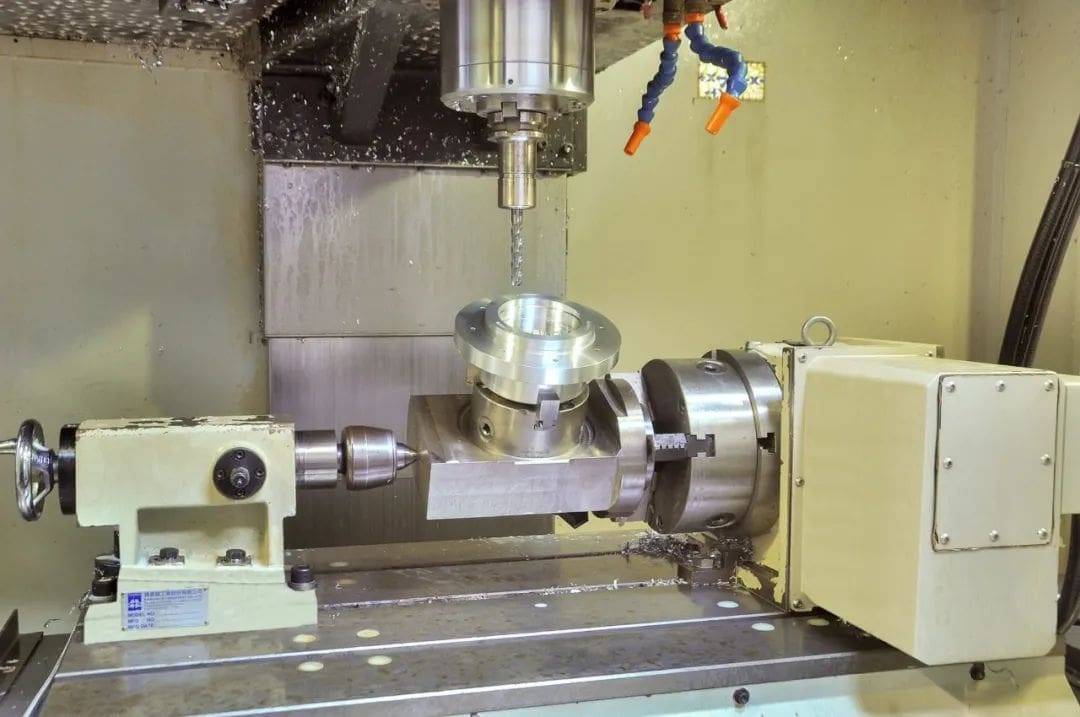
When specifying a CNC machined parts component for this application, dimensional tolerance is paramount. The clip must interface perfectly with the holster body without excessive play. Even minor deviations can cause misalignment during insertion or removal.
Check the following parameters before finalizing your design:
Mounting Hole Diameter: Must match the holster’s attachment points precisely.
Clip Width and Thickness: Determines structural integrity and belt compatibility.
Cant Adjustment Range: Should cover your desired carry position spectrum.
Surface Finish: Impacts friction levels and aesthetic appeal.
YPMFG supports projects that require tight tolerances for these interfaces. Our engineering team can review your CAD files to ensure manufacturability and functional reliability.
Material Selection for Durability
The choice of material affects both the lifecycle cost and performance of the holster belt clip. Stainless steel, particularly grades like 304 or 316, is preferred for its resistance to sweat, rain, and cleaning chemicals. It maintains structural integrity under repeated stress cycles.
Aluminum 6061-T6 is a common alternative for weight-sensitive applications. It is easier to machine and generally less expensive. However, it requires surface treatments like anodizing to prevent corrosion and wear. Without proper finishing, aluminum clips may degrade faster in humid conditions.
Consider the environmental exposure of your end-user. Outdoor enthusiasts need higher corrosion resistance. Office workers may prioritize lighter weight and aesthetics. Aligning material choice with usage scenarios reduces warranty claims and increases customer satisfaction.
Common Mistakes in Clip Design
One frequent error is ignoring the spring tension in retention mechanisms. Clips that are too stiff become difficult to deploy. Those that are too loose fail to secure the holster properly. A balanced spring force ensures quick access while maintaining safety.
Another mistake is neglecting the belt width compatibility. Standard duty belts range from 1.5 to 2 inches. Specialized rigs may use narrower or wider straps. Designing a clip without accounting for belt thickness can lead to instability.
Finally, many designers fail to test the clip under dynamic loads. Static strength tests do not replicate the twisting forces experienced during movement. Real-world testing reveals weaknesses in welds or bends that simulations might miss.
Evaluating Custom Manufacturing Options
Selecting a manufacturer for custom holster components requires assessing their engineering capabilities. Look for partners who offer prototyping services before full production runs. This allows you to validate fit and function early in the process.
Request detailed documentation for all raw materials used. Certifications for heat treatment and surface finishes add credibility to your supply chain. Transparent communication about lead times and quality control measures is essential.
YPMFG provides comprehensive support from initial concept to final delivery. We offer engineering assessments to optimize your design for manufacturability. Our team can help refine tolerances and select appropriate materials for your specific needs.
Practical Questions Before Choosing
Buyers often have specific concerns when sourcing these components. Addressing these queries upfront streamlines the procurement process. Here are some common questions regarding selection and implementation.
What is the typical lead time for custom clipped holsters?
Lead times depend on complexity and order volume. Standard designs may ship within days. Custom CNC machining typically requires one to two weeks for production. Rush services are available for urgent project needs.
Can I get samples before placing a bulk order?
Yes, most reputable suppliers provide pre-production samples. This step allows you to verify dimensions and material quality. Sample costs are often credited against final orders. Always inspect samples under realistic carrying conditions.
How do I maintain the clip’s functionality over time?
Regular cleaning prevents debris buildup in moving parts. Apply light lubrication to pivot points if applicable. Inspect for signs of wear or deformation periodically. Proper maintenance extends the service life significantly.
Is stainless steel always the best choice?
Not necessarily. While durable, it is heavier than aluminum. Consider weight constraints for all-day carry. Weight distribution affects comfort during prolonged use. Evaluate trade-offs based on your specific application requirements.
What certifications should I look for in a manufacturer?
ISO 9001 indicates robust quality management systems. Material traceability records ensure consistency across batches. Third-party testing reports add additional verification layers. These credentials demonstrate commitment to industry standards.
How does cant angle affect draw speed?
Adjustable cant angles optimize the draw arc for individual preferences. A forward cant may facilitate quicker access for right-handed users. Experiment with different settings to find your optimal position. Small adjustments can yield significant usability improvements.
What is the minimum order quantity for custom parts?
MOQs vary by manufacturer and part complexity. Some firms accept low-volume runs for prototyping. Higher volumes benefit from economies of scale in machining. Discuss your projected needs to determine feasible production strategies.
Making a Better Long-Term Decision
Investing in high-quality holster belt clip solutions pays dividends through improved user satisfaction and reduced returns. Precision engineering ensures that every component functions as intended under stress. Partnering with experienced manufacturers minimizes risks associated with poor fit or premature failure.
Send your specifications to YPMFG for a professional engineering review. We can help you optimize your design for cost and performance. Request a quote to see how our manufacturing capabilities align with your project goals. Secure reliable components for your next production run.