How to Get CNC Prototypes That Actually Match Production Parts
Quick answer:
A CNC prototype is a functional part machined from solid material using computer-controlled tools, used to test fit, form, and function before mass production. Unlike 3D-printed samples, CNC prototypes offer production-grade material properties, tighter tolerances, and surface finishes that closely mirror final parts. They are ideal for mechanical testing, assembly validation, and customer reviews in industries like automotive, aerospace, and medical devices.
Getting a prototype right the first time saves weeks of rework and prevents costly tooling changes. But not all CNC prototypes are created equal—material choice, machining strategy, and inspection method all affect whether your sample truly represents the final product.
If you are sourcing a prototype for functional testing or customer approval, the difference between a useful sample and a misleading one often comes down to how well the machining process mirrors production conditions. Many buyers discover only after testing that their prototype behaved differently from the production run. That gap is avoidable.
What Makes a CNC Prototype Different From a 3D-Printed Sample
The core difference is material integrity. CNC prototypes are machined from solid metal or engineering-grade plastic, meaning the mechanical properties—strength, hardness, thermal resistance—match production parts. 3D-printed samples, by contrast, often use layered polymers that behave differently under load or heat.
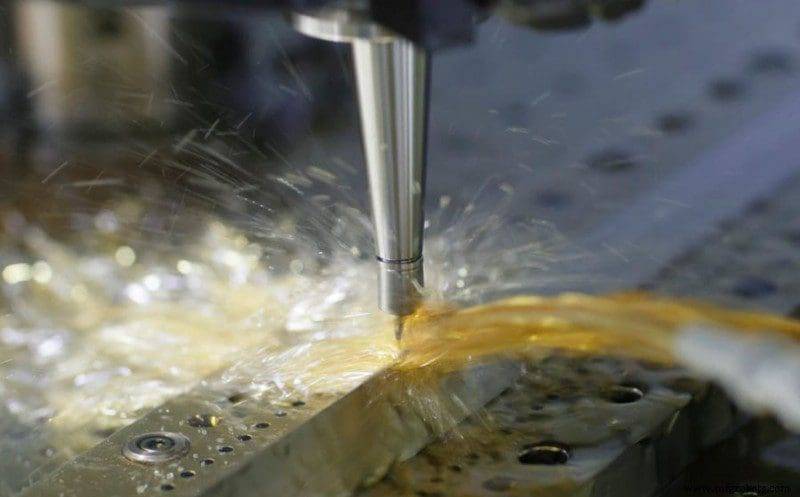
For functional testing, especially load-bearing or high-temperature applications, only a machined prototype gives you reliable data. If your test involves torque, pressure, or thermal cycling, a printed sample may fail prematurely or pass falsely.
Another difference is surface finish. CNC machining can achieve surface roughness values similar to production parts, which matters for sealing surfaces, press-fit assemblies, and aesthetic review. Printed surfaces often require secondary sanding or coating to approximate production quality.
Key Factors That Determine Prototype Accuracy and Reliability
Machining tolerance is the most visible factor. Standard CNC machining tolerances for prototypes typically range from ±0.005” to ±0.001”, depending on part geometry and material. If your production tolerance is tighter,your prototype should be machined to the same specification to avoid false conclusions.
Machine type also matters. Three-axis machines work well for simple prismatic parts, but five-axis machining is often required for complex contours, undercuts, or angled features. Using the wrong machine can force design compromises that make the prototype unrepresentative.
Inspection method is another factor often overlooked. A prototype that passes visual inspection may still have hidden dimensional deviations. Using a CMM report or full dimensional inspection ensures the prototype matches your drawing before you run tests.
Materials Used in CNC Prototyping and How They Affect Testing
The material you choose directly influences test results. For metal prototypes, common options include aluminum 6061 or 7075, stainless steel 304 or 316, brass, and titanium. Each has different machinability, strength, and corrosion behavior.
For plastic prototypes, materials like Delrin, PEEK, nylon, and ABS are frequently used. The key is selecting a material grade that matches your production specification. A prototype made from a different alloy or fill level may exhibit different stiffness, creep, or chemical resistance.
If your production run uses a specific heat treatment or surface coating, your prototype should undergo the same process. Otherwise, hardness, wear resistance, or fatigue life may differ significantly.
Typical Lead Times and Cost Drivers for CNC Prototypes
Standard lead time for a single CNC prototype is typically 3 to 10 business days, depending on complexity, material availability, and machine scheduling. Parts with tight tolerances, multiple setups, or exotic materials may take longer.
Cost is driven primarily by:
Part complexity (number of features, undercuts, threads)
Material type and size (larger billets cost more)
Required tolerance (±0.001” costs more than ±0.005”)

Surface finish requirements (as-machined vs. bead-blasted vs. anodized)
Quantity (per-part price drops with batch orders)
A common mistake is ordering only one prototype without considering setup costs. Ordering two or three identical parts often reduces per-unit cost and gives you spares for destructive testing.
Common Mistakes When Ordering CNC Prototypes
One frequent error is failing to specify critical dimensions. If the prototype is not dimensionally inspected against your critical tolerances, you may not detect a deviation until assembly.
Another mistake is using a material that is “close enough” to the production material. Even small differences in hardness or thermal expansion can cause a prototype to pass tests that production parts will fail.
Some buyers also skip surface finish requirements on the drawing, assuming as-machined surfaces are fine. For mating surfaces or sealing areas, a missing finish callout can lead to incorrect fitment conclusions.
Finally, not requesting an engineering review before machining often leads to missed issues like sharp internal corners or thin wall sections that cause breakage during testing.
Questions Buyers Often Ask About CNC Prototypes
How many prototypes should I order for functional testing?
At least two or three. One for mechanical testing, one for assembly fit, and one as a backup. If destructive testing is required, order additional parts to cover each test scenario.
Can I use a CNC prototype for production if it passes testing?
In low-volume runs, yes. Many buyers start with prototypes and scale to small-batch production using the same machining setup. For high volumes, tooling or molding is usually more cost-effective.
How do I know if the prototype matches my CAD file?
Request a dimensional inspection report from the machinist. A CMM or optical comparator report will confirm that all critical features are within tolerance.
What file format should I send for CNC prototype quoting?
STEP or IGES files are preferred. Avoid PDF drawings for complex geometry. Include a 2D drawing with tolerance callouts for critical dimensions.
Is it cheaper to machine a prototype or 3D print it?
For simple shapes in standard plastics, printing is cheaper. For metal parts or complex geometries requiring tight tolerances, machining is often more cost-effective when you factor in testing reliability.
Can I make changes to the design after receiving the prototype?
Yes, that is the purpose of prototyping. Note any fit or function issues and update your CAD file before ordering the next iteration.
How long does it take to get a quote for a CNC prototype?
Most shops respond within 24 to 48 hours if you provide a complete file. For complex parts, allow an extra day for engineering review.
What information should I include in my RFQ for a prototype?
Include material specification, tolerance requirements, surface finish, quantity, and any secondary operations like heat treatment or anodizing.
Making Your Prototype Project More Efficient
To get the most value from your CNC prototype run, start with a clear definition of what you need to test. Define your critical dimensions, material properties, and acceptance criteria before sending files for quoting.
YPMFG works with engineering teams to review prototype drawings for machinability issues before cutting begins. This often reveals opportunities to reduce cost or improve test accuracy without changing the design intent.
If your project requires multiple iterations, having a consistent machining partner reduces setup variability and speeds up the revision cycle. You can send your specifications to YPMFG for an engineering review and quote, with typical turnaround within one business day.
For buyers who need a prototype that truly represents production parts, the key is not just getting a part machined—it is getting a part machined with the right material, tolerance, and inspection process from the start.