
Quick answer:
A die cast aluminum enclosure is a protective housing manufactured by forcing molten aluminum alloy into a steel mold under high pressure. These enclosures offer excellent strength-to-weight ratios, superior thermal conductivity, and consistent dimensional accuracy for electronic and industrial applications. The typical material grades include A380,A360, and ADC12, each selected based on mechanical requirements, corrosion resistance needs, and surface finish specifications.
Die cast aluminum enclosures serve as critical protective housings across electronics, automotive, telecommunications, and industrial equipment sectors. Buyers often struggle with selecting the right alloy, understanding cost drivers, and identifying reliable manufacturing partners. This guide addresses the core technical considerations that impact performance, longevity, and total procurement costs.
Material Selection for Die Cast Aluminum Enclosures
The choice of aluminum alloy directly affects mechanical properties, casting quality, and post-processing capabilities. Selecting the wrong material can lead to porosity issues, weak structural integrity, or inadequate surface treatment results.
Common alloy grades used for enclosure manufacturing include A380 aluminum alloy, which provides good general-purpose mechanical properties and excellent fluidity for complex geometries. A360 aluminum alloy offers superior corrosion resistance and is frequently specified for outdoor or harsh environment applications. ADC12 is widely used in Asian markets and delivers balanced strength and castability at competitive pricing.
Material selection should align with your specific environmental exposure, mechanical load requirements, and any thermal management needs. YPMFG evaluates your application parameters before recommending the optimal alloy grade.
Die Casting Process and Quality Considerations
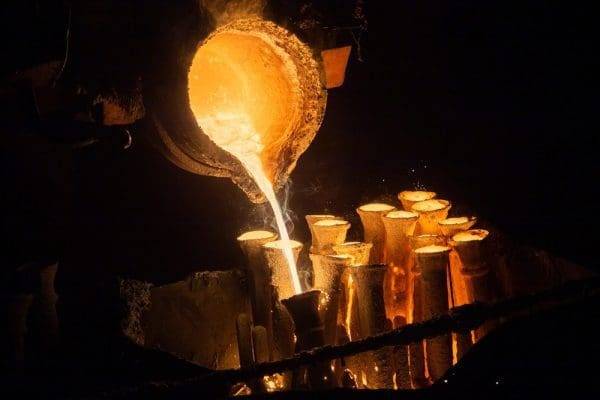
High-pressure die casting involves injecting molten metal into precision steel molds at velocities exceeding 30 meters per second. The process enables tight tolerances, repeatable dimensions, and efficient mass production of complex enclosure geometries.
Key process parameters that impact enclosure quality include injection pressure, mold temperature, cooling time, and gating system design. Each variable influences internal defects such as porosity, cold shuts, or incomplete fill conditions. Modern die casting facilities utilize simulation software to predict and prevent common casting defects before production begins.
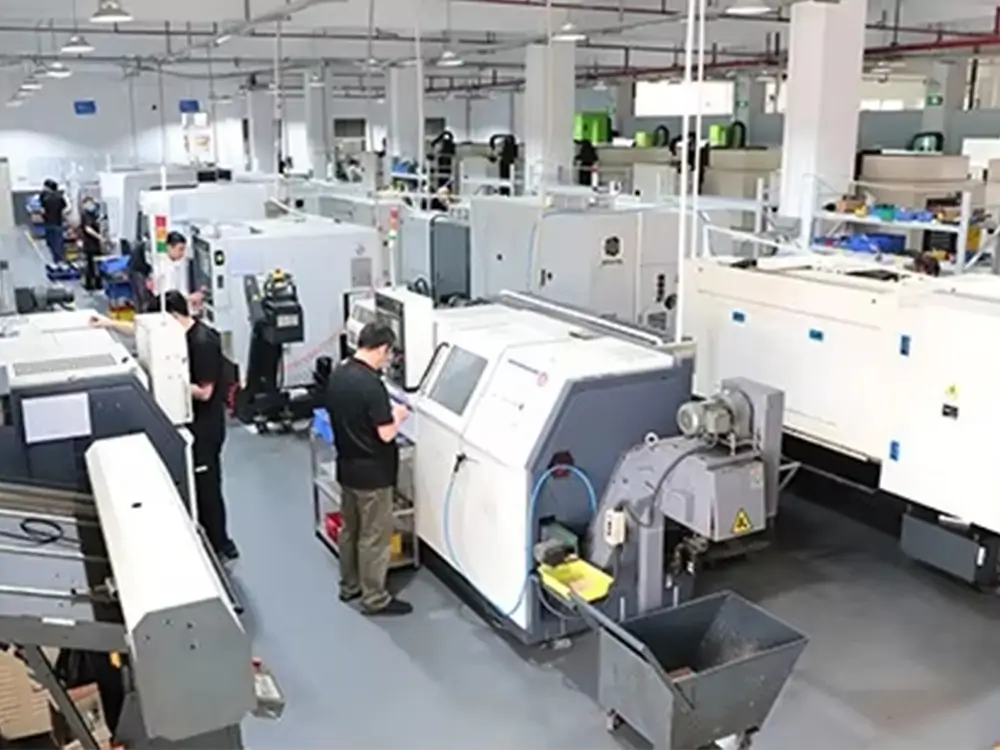
Surface finish quality depends significantly on mold surface treatment, release agent selection, and post-casting trimming processes. CNC machining operations may be required for critical sealing surfaces, connector cutouts, and threaded mounting holes that demand precision beyond casting tolerances.
When evaluating manufacturers, verify their die casting capabilities, quality control procedures, and ability to handle secondary operations such as tapping, machining, and surface treatment.
Cost Factors in Aluminum Enclosure Manufacturing
Multiple variables influence the unit cost of die cast aluminum enclosures beyond simple material pricing. Understanding these factors helps procurement teams make informed decisions and avoid unexpected cost overruns during production.
Primary cost drivers include mold complexity, wall thickness requirements, surface finish specifications, and secondary operations needed. Thin-wall designs above 1.5mm often require specialized tooling and process adjustments that increase both mold costs and cycle times. Complex geometries with undercuts or internal passages demand more sophisticated mold designs and may require additional manufacturing steps.
Volume commitments and design for manufacturability improvements can substantially reduce per-unit costs. Share your drawings with manufacturers early to receive design for manufacturability feedback before finalizing specifications.
Surface Treatment and Post-Processing Options
Die cast aluminum enclosures typically require surface treatments to enhance corrosion resistance, improve appearance, or provide electrical insulation. The selected finish must remain compatible with both the base alloy and any subsequent assembly processes.
Anodizing remains the most popular surface treatment for aluminum enclosures, creating a hard, durable oxide layer that provides excellent corrosion protection and allows color customization. Type II anodizing produces coatings up to 25 microns thick, while Type III hard anodizing creates thicker, more wear-resistant surfaces for demanding applications.
Powder coating offers alternative color options and additional chemical resistance but requires careful surface preparation to ensure proper adhesion. Other finishing methods include chromate conversion coating for light corrosion protection, painting for specific color requirements, and polishing for decorative applications.
Surface treatment selection should consider your environment, aesthetic requirements, and any EMC shielding needs that might influence coating choices.
Design Guidelines for Optimized Enclosures
Effective enclosure design balances protection requirements, thermal management, manufacturability, and cost considerations. Poor design choices often result in costly rework, extended lead times, or products that fail to meet performance specifications in the field.
Wall thickness uniformity is critical for preventing defects during solidification. Gradual transitions between thick and thin sections help avoid shrinkage porosity and warpage issues. Minimum wall thickness typically ranges from 1.5mm to 2mm for standard alloys, though this varies by part geometry and size.
Threaded features, boss designs, and fastener locations should account for tap drill sizes, thread engagement depth, and potential stress concentration points. Heat dissipation paths should be incorporated into the enclosure design when managing power electronics or high-temperature components.
Sealing surfaces require flatness specifications appropriate to the gasket or seal type selected. Standard tolerances for sealing faces typically range from ISO 8 to ISO 10, depending on seal complexity and pressure requirements.
Choosing the Right Manufacturing Partner
Selecting an appropriate manufacturer for die cast aluminum enclosures requires evaluating multiple capability areas beyond basic quoting. The right partner understands your technical requirements, quality expectations, and timeline constraints throughout the entire project lifecycle.
Key evaluation criteria include casting capacity and tonnage range, in-house machining capabilities for secondary operations, quality management systems and inspection procedures, and experience with similar applications and materials. Request facility tours or virtual walkthroughs to verify equipment condition and process controls.
Documentation and communication standards significantly impact project success. Ensure your manufacturer provides detailed engineering evaluations, timely progress updates, and comprehensive quality reports including CMM measurements and material certifications.
YPMFG supports clients through specification review, material recommendation, prototyping, and full-scale production with consistent quality standards. Contact our engineering team to discuss your enclosure requirements.
Common Applications and Industry Requirements
Die cast aluminum enclosures serve diverse industries with varying regulatory and performance requirements. Understanding sector-specific demands helps manufacturers and buyers align expectations and ensure product suitability for intended applications.
Electronic equipment enclosures must provide electromagnetic interference shielding, thermal management, and protection against environmental contaminants. Automotive applications demand vibration resistance, temperature cycling performance, and compliance with automotive quality standards such as IATF 16949.
Industrial control systems require enclosures that withstand harsh environments, chemical exposure, and mechanical abuse while maintaining connector and port accessibility. Telecommunications equipment increasingly demands lightweight designs with enhanced thermal performance for compact form factors.
Medical device enclosures face stringent cleanliness requirements, biocompatibility considerations, and regulatory documentation demands. Consumer electronics prioritize aesthetic finish quality and weight reduction without sacrificing structural integrity.
Questions Buyers Often Ask About Die Cast Aluminum Enclosures
What is the typical lead time for die cast aluminum enclosures?
Lead times vary significantly based on whether existing molds are available or new tooling is required. Stock mold solutions can ship within days, while custom enclosures typically require 4-8 weeks for mold creation plus production time. Expedited tooling options may reduce timelines but increase costs.
How do I specify surface finish requirements for my enclosure?
Define the functional requirement first, then select the finish that meets those needs. Specify finish type, color (RAL or Pantone if applicable), coating thickness, and any adhesion or salt spray testing requirements. Include finish specifications on engineering drawings with proper tolerance callouts.
What quality certifications should I look for in a manufacturer?
IATF 16949 indicates automotive-quality processes, ISO 9001 covers general quality management, and ISO 13485 applies to medical device manufacturing. Verify that suppliers perform incoming material verification, in-process inspection, and final quality testing with documented results.
Can die cast aluminum enclosures be welded or brazed?
Most die cast aluminum alloys present welding challenges due to porosity and composition variations. Adhesive bonding, mechanical fastening, or friction stir welding offer more reliable joining methods. Consult with your manufacturer about attachment strategies during the design phase.
What tolerances can be achieved with die casting?
Standard die casting tolerances typically range from ±0.1mm to ±0.2mm for linear dimensions, depending on part size and complexity. Critical mating surfaces and sealing areas often require secondary machining to achieve tighter tolerances. Specify tolerances only where functionally necessary to control costs.
Choosing the Right Die Cast Aluminum Enclosure for Your Application
Successful enclosure procurement depends on matching material properties, manufacturing capabilities, and quality systems to your specific application requirements. Understanding the technical factors covered in this guide helps you make informed decisions and establish clear specifications with your supplier.
YPMFG specializes in precision die casting and CNC machining services for custom aluminum enclosures. Our engineering team provides design review, material recommendations, and prototype support to help you validate your enclosure solution before full production. Send your specifications or drawings to our team for a detailed engineering assessment and competitive quotation.