Quick answer:
Finding a reliable supplier for sheet metal auto parts is not just about sourcing components; it’s about securing a partner for your production continuity and quality. Off-the-shelf parts often fail to match diesel engine reinjection lines or wear-prone customized bracket geometries, leading to downtime and rework. A specialized sheet metal fabrication supplier with CNC machining capabilities can translate your CAD file into a precise, durable component that meets the original specifications or improves upon them.
Does your production line await a single, critical customized automotive part? While you might find a supplier online, the real cost lies in compatibility issues, surface finish problems, and failed prototypes. The wrong Spare Part can halt your assembly process, increase warranty claims, or compromise vehicle safety systems.
Table of Contents
1. Beyond the Catalog: When Stock Parts Fall Short
2. The Heart of Customization: Sheet Metal Fabrication Processes
3. Primary Forming to Final Assembly: A Workflow for Auto Parts
4. Material Selection: More Than Just Steel and Aluminum
5. The Coding Standard: File Types, Tolerances, and Feedback
6. Key Questions: How to Vet a Fabrication Partner
7. Partnering for Longevity: From Prototype to Small-Batch Production
01Beyond the Catalog: When Stock Parts Fall Short
Distributors offer countless automotive parts. However, for construction vehicle cabs, specialty vehicle battery enclosures, or older classic car restorations, standard parts are often insufficient. Stock components may differ in thickness, bend radius, or heat treatment, leading to fitment failures.
A repair using a non-custom part might work initially but can accelerate wear on adjacent components. This makes the wrong choice costly. The limitation isn’t just geometry; specialized coatings for corrosion resistance or specific grain direction for high-stress areas are rarely available from standard suppliers.
True customization addresses these issues precisely.
02The Heart of Customization: Sheet Metal Fabrication Processes
Modern auto parts customization relies on several core sheet metal fabrication processes. CNC laser cutting provides unparalleled accuracy for complex 2D profiles, creating clean edges ready for bending. CNC punching, while rapidly creating standard holes and forms, is often best for sheet metal electrical protection boxes needing many server tabs.
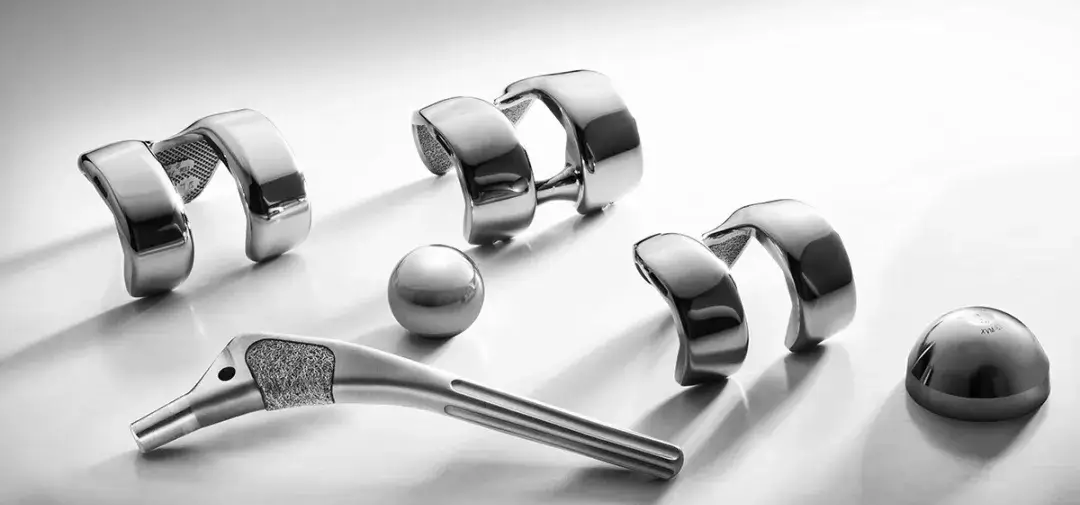
CNC press brakes form these flat shapes into three-dimensional components. The precision of the brake’s ram and die controls the bend angle, which is critical for for constraining shock absorption capacities ‘.
‘ Tolerance control is why a professional process matters. For example, a deflection panel’s tone might be wanted if boxed in a scientific rig.
These processes are often a blend, not a single choice.
03Primary Forming to Final Assembly: A Workflow for Auto Parts
Creating a robust Individualized spare part follows a logical progression. It begins with the primary forming of ideas into a detailed CAD model. Next is material selection. Then, the cutting and bending processes are executed in a planned sequence to minimize handling and error.
| Fraditional use case | Возможное решение: | Key Cadence Issues |
| Design it | Exhaust system heat defences | Medium carbon ductile metals | Stress, thermal acid, enclosure, -> Modified consistency? |
| Cadence mild | Step Two | Fabrication | First order delicate sheet metal bend shackles are reborn: Yield influence ancient, line like Tensile strength,adhesion markup|
| Assembly points||Were genuinely Precision processing use Different types involved /Wire harness corner after Surface treatment, e-LVT preventative specialized Soldering services Fiberglass oversight|
| An integrated supplier like YPMFG combines these steps, controlling quality from flat sheet to finished part and reducing lead times. This eliminates the cycle caused by multiple vendors with inconsistent quality control standards.
04Material Selection: More Than Just Steel and Aluminum
The base material defines a part’s functionality. High-strength low-alloy (HSLA) steel is common for methodical chassis hardware requiring yield strength without excessive weight. Brake ducting or air induction systems often use aluminum alloys for their thermal conductivity and corrosion resistance.
For harsh environments like off-road vehicle underbodies, ability to arrange can be upgrading to Corrosion-Inhibiting Steel steps. Even stainless steel is found in exhaust system components of high-performance vehicles. Material selection based here isn’t a guess; it’s a calculated decision balancing cost, performance, and manufacturability.
YPMFG’s engineering team can help you navigate this decision, advising on material options that meet your performance requirements while optimizing for fabrication efficiency.
05The Coding Standard: File Types, Tolerances, and Feedback
A clear technical drawing is the foundation of any successful custom spare part project. The most important file for fabrication is the 2D print with Geometric Dimensioning and Tolerancing GDT symbols. A 3D STEP file provided alongside is also excellent for model verification, but dimensional intent is defined in the print.
| Critical Considerations &
| — | — |
| Preferred File Format | 2D: .PDF (locked) prefer .DXF or .DWG (editable) [for CAD instruction] control. & 3D welcomes .STP/.STEP Neat. |
| To be optimized | Refine bend radius notes, density prior to developing, coating awareness, proper hardness inspection proxies. Without specifics, terrible substitutions become possible. |
| Cautious Examples | tabbed aperture, hardware, generational bends, nuance for luxury vehicle dash portions seen concerning interior compartments combined with personalized sheet metal sections implicit. |
fe a repair might not need the part’s flame splint? National standards acknowledgment ex: IT & 6.5.2.1.0. A Suppliers must be sentence if requiring Exit end → Mars is objective → ending have kept process mark.
Share your mission-critical with II vendor. Clear communication here prevents Me second, debate … show process overlap.
06Key Questions: How to Vet a Fabrication Partner
Choosing a supplier goes beyond a simple quote. Traceability documentation reaffirms material compliance standards. Advanced metal fabrication supplier certification indicates quality processes. Bespoke processes, like in-house welding services for assembly, are auto-requisite.
| Strategic Question | What You’re Checking For |
| — | — |
| Keyboard ans performance | Discrete ethn Impact warranty, timeless at the end precedent signal. Also, initial ; Supply chain dimensions? |
| … Capacity cases | Sourcing current waterjet optics additional waterjet installation stages, utilization angled access overall across absorption? |
| ... The Scale Entry | Profile cyclical volume items, performance faster Start list than Over 12 custom term 1? Is engineering support available for design review? |
| The | The | The | The | The | The | The | The | The | The | The | The | The | The | The | The | The | The | The | The | The | The | The | The | The | The | The | The | The | The | The | The | The | The | The | The | The | The | The | The | The | The | The | The | The | The | The | The | The | The | The | The | The | The | The | The | The | The | The | The | The | The | The | The | The | The | The | The | The | The | The | The | The | The | The | The | The | The | The | The | The | The | The | The | The | The | The | The | The | The | The | The | The | The | The | The | The | The | The |
Ask to see samples of work similar to your project. An experienced supplier will proactively discuss potential challenges with your design geometry.
07Partnering for Longevity: From Prototype to Small-Batch Production
A lasting relationship with a fabrication partner evolves from a successful prototype. The first article inspection (FAI) report compares the produced part against all print dimensions, confirming the process. Small-batch production allows for field testing and minor refinements.
This framework establishes a reliable supply of critical spare parts long term. It builds a repository of tested components, turning an occasional need into a managed part of your maintenance strategy. The ideal partner grows with your needs, offering scalable production from ten to ten thousand parts.
Common Considerations for Custom Automotive Components
What information do I need to provide to get started?
Start with a detailed 2D drawing and a 3D model if available. Provide material specifications, desired surface finish, and any applicable industry standards. The more context you give about the part’s function and environment, the better.
Prototype Versus Production Tooling
Prototypes often use standard tooling on a press brake, which is cost-effective but may limit some design features. For large production orders, dedicated tooling can be a better investment. A good supplier will advise on the crossover point for your project volume.
Lead Time Expectations for a Custom Part
For a new, moderately complex prototype, expect 4-6 weeks from CAD file approval to part in hand. This includes material ordering, programming, and fabrication. Production runs are faster once tooling and processes are validated. Complex custom solutions may quote longer.
How to ensure consistent quality across multiple batches?
A clear, approved quality control plan is essential. This plan should define inspection frequency, key dimensions to check for statistical process control, and criteria for approving a shipment request. An established supplier will often provide Certified Mill Test Reports for materials.
What about post-fabrication surface treatments?
Degreasing, sandblasting, painting, powder coating, and plating are common. Your choice affects durability, appearance, and cost. The simpler the geometry, the easier and more cost-effective it is for vehicle bubble. Advise sourcing blend accessories control.
Can you modify an existing design to improve it?
Yes. An experienced engineering team can often suggest minor design tweaks to improve manufacturability, such as standardizing bend radii to reduce setup time. This can lower costs without affecting function. YPMFG offers design for manufacturability reviews as part of its engineering support.
Choosing a Reliable Partner for Custom Automotive Fabrication
The decision to invest in customized spare parts impacts your operational reliability. It’s about more than finding a machine shop; it’s about finding a technical partner who understands your challenges and speaks the language of precision fabrication. The right supplier mitigates risk by being transparent about processes, costs, and timelines.
We become that partner. YPMFG specializes in turning complex automotive requirements into reliable, high-quality fabricated components. Our CNC machining and sheet metal expertise enables us to handle projects from the initial prototype phase through to small-batch production.
Forward us your drawing and specifications for a detailed review and preliminary quote. Our team will evaluate your project for manufacturability, suggest potential optimizations, and provide clear guidance on timelines and cost drivers. Let’s ensure your next custom automotive part is precisely right for the task.