
Quick answer:
A custom aluminum CNC machining service transforms digital designs into precise, functional metal parts. It’s ideal for prototypes, low-to-medium volume production, and applications requiring high strength-to-weight ratios, good corrosion resistance, and excellent machinability. The key value lies in design freedom, tight tolerances, and repeatability, but total cost depends heavily on part complexity, aluminum alloy choice, and the supplier’s technical expertise in optimizing the machining process.
Choosing the wrong service can lead to delayed projects, budget overruns, and parts that fail in testing. This guide cuts through the complexity.
Table of Contents
1. Why Choose Aluminum for Custom CNC Parts?
2. Key Aluminum Alloys and Selection Factors
3. The Custom CNC Machining Process Explained
4. Critical Cost Drivers Beyond Unit Price
5. How to Evaluate a CNC Machining Partner
6. Common Questions About Aluminum CNC Machining
Why Choose Aluminum for Custom CNC Parts?
Aluminum is a cornerstone of modern manufacturing for good reason. Its lightweight nature directly translates to energy savings in moving assemblies and improved performance in aerospace or automotive applications. Furthermore, aluminum naturally forms a protective oxide layer, offering decent corrosion resistance without additional treatments.
The machinability of many aluminum alloys is superior to steels. This allows for faster cutting speeds, reduced tool wear, and generally lower machining costs. This combination makes aluminum the default choice for enclosures, brackets, heat sinks, and many structural components. However, not all aluminum is the same—the specific alloy dictates the final part’s performance.
Key Aluminum Alloys and Selection Factors
Selecting the right alloy is the first major technical decision. Common grades like 6061 and 7075 serve vastly different purposes. 6061-T6 is the versatile workhorse, offering a great balance of strength, weldability, and machinability for general-purpose parts. In contrast, 7075-T6 is a high-strength alloy used in aerospace frames and high-stress applications, but it is more challenging to machine and less corrosion-resistant.
The choice impacts everything. Consider this quick comparison:
A partner like YPMFG can help you navigate this selection based on your mechanical requirements and budget, ensuring the material aligns with the part’s function.
The Custom CNC Machining Process Explained
The journey from concept to part is a structured digital workflow. It begins with your 3D CAD model, which is analyzed for manufacturability (DFM). A skilled engineer might suggest subtle changes to wall thickness or internal corner radii to enhance strength or slash machining time without compromising design intent.
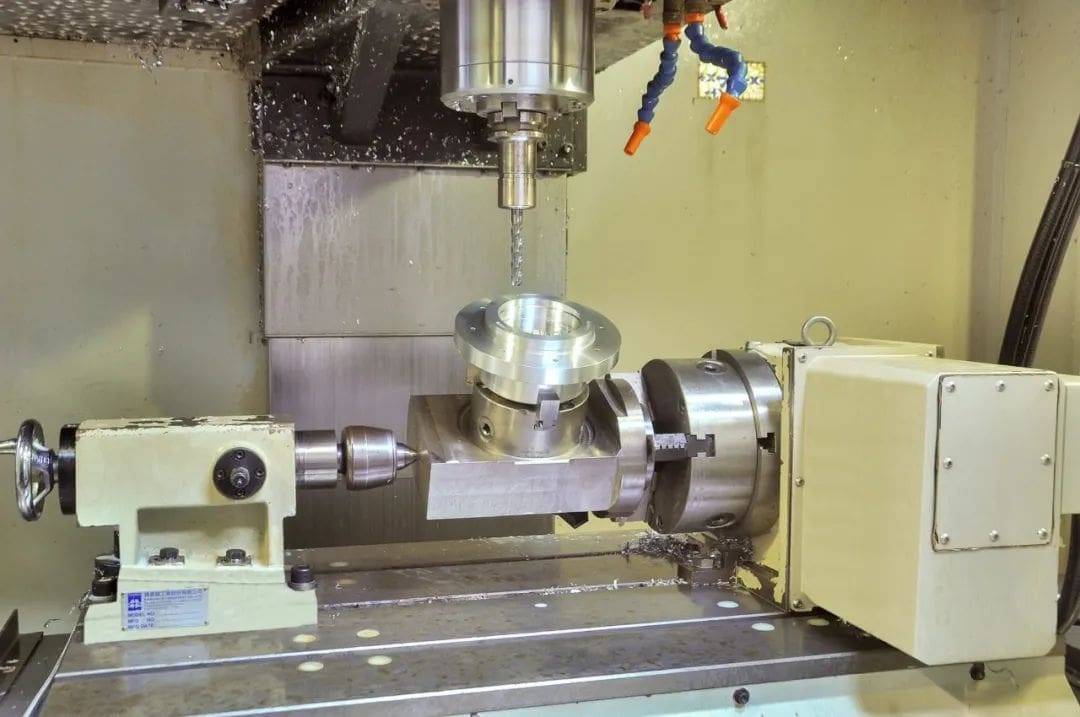
Next,CAM software translates the model into toolpaths, dictating every movement of the cutting tools. The actual CNC machining service then uses mills, lathes, or multi-axis centers to remove material from a solid block of aluminum. Post-processing, such as bead blasting, anodizing, or powder coating, is often applied to improve appearance, durability, or surface hardness. This entire chain requires precise coordination.
Critical Cost Drivers Beyond Unit Price
Focusing solely on the piece-part quote is a common mistake. The true total cost includes several hidden factors. Part complexity is paramount; deep pockets with small tools, thin walls, and tight tolerances require more time, specialized tooling, and increased inspection. A simple design is almost always cheaper to machine.
Material waste is another factor. The machining process starts with a block of metal, and much of it becomes chips. Efficient nesting of parts in the raw material and optimal CNC programming can minimize this waste. Finally, order volume and lead time expectations influence cost. A prototyping run for 5 parts has a very different cost structure than a production order for 500. Understanding these drivers helps in making informed trade-offs.
How to Evaluate a CNC Machining Partner
Your supplier’s capability determines your project’s success. Look beyond the website and request evidence of technical expertise. Can they provide clear DFM feedback on your drawings? Do they explain why a change is suggested? Transparency about their equipment—like multi-axis capabilities—is a sign of confidence.
Inquire about their quality control process. How do they inspect for critical dimensions? Do they offer first-article inspection reports? A reliable partner, such as YPMFG, will have documented procedures. Finally, assess communication. A partner that asks detailed questions about your application intent is investing in a successful outcome, not just filling an order. This proactive approach mitigates risk.
Common Questions About Aluminum CNC Machining
What is the typical tolerance for aluminum CNC parts?
Standard machining tolerances are around ±0.005 inches (±0.127 mm). Tighter tolerances, such as ±0.001 inches, are achievable but increase cost and require specification during the quoting process.
Can you machine threads into aluminum parts?
Yes, both tapped (internal) and threaded (external) features are standard. Choosing the correct thread type and specifying a thread class (e.g., 2B for internal) ensures proper fit and function.
Which is better for corrosion resistance: 6061 or 7075?
Alloy 6061 generally offers better corrosion resistance than 7075. For harsh environments, 6061 with a protective anodized finish is a robust and cost-effective choice.
How do I reduce the cost of my custom aluminum part?
Simplifying geometry, increasing wall thicknesses, relaxing non-critical tolerances, and considering standard tool sizes for holes and pockets can significantly lower machining costs without sacrificing performance.
What file formats do I need to provide for a quote?
STEP or IGES files are ideal for accurate quoting, as they contain 3D geometry data. PDF drawings with critical dimensions and tolerances are also essential for clear communication.
Need Help with Your Custom Aluminum Components?
The right custom solution balances design intent, material performance, and project economics. It requires a partner who understands the nuances of aluminum alloys and can translate your specifications into a reliable, cost-effective manufacturing plan.
YPMFG supports projects requiring precision CNC machining services. You can send your part specifications and drawings for a confidential engineering review and quote. We help you evaluate manufacturability, suggest material optimizations, and provide clarity on lead times—turning your design into a high-quality aluminum reality.