
Quick answer:
CNC precision machining parts are components manufactured using computer-controlled cutting tools to achieve tight tolerances, typically within ±0.001 to ±0.0002 inches. These parts are essential for industries that demand high repeatability and consistent quality, such as aerospace, medical devices, and automotive. When sourcing these parts, the key factors to evaluate are material selection, tolerance requirements, surface finish, and the manufacturer’s engineering capability. A reliable supplier should offer engineering support before production begins to catch design issues early.
Manufacturing teams and procurement buyers often face a difficult trade-off when sourcing CNC precision machining parts: getting the quality and tolerances that a product requires without sacrificing lead time or inflating unit costs. The problem is rarely about finding a machine shop that can cut metal. The real challenge lies in selecting a partner who understands design for manufacturability, communicates clearly about process limitations, and delivers consistent results across production runs.
YPMFG works with engineers and procurement teams who need precision components that meet exact specifications. This guide covers what buyers should evaluate before placing an order, common pitfalls to avoid, and the practical questions that affect cost and quality.
Types of CNC Precision Machined Parts
CNC precision machining parts fall into several categories based on geometry, production volume,and application. Understanding these categories helps buyers specify requirements accurately and avoid over-engineering or under-specifying a component.
The most common types include:
Turned parts — cylindrical components produced on CNC lathes, such as shafts, pins, bushings, and sleeves. These are ideal for rotational symmetry and high-volume runs.
Milled parts — complex geometries produced on CNC milling centers, including brackets, housings, plates, and custom enclosures. These accommodate intricate features like pockets, slots, and threaded holes.
Multi-axis parts — components that require 4-axis or 5-axis machining to access multiple sides in a single setup. These reduce handling errors and improve positional accuracy.
Swiss-style parts — slender, precision components produced on Swiss-type lathes, commonly used in medical and watchmaking applications where diameters are small and tolerances are extremely tight.
Each type has different cost drivers. Simple turned parts are generally more economical, while multi-axis milled parts require longer machine time and more setup expertise.
Material Selection for CNC Machined Parts
Material choice is one of the most significant factors affecting CNC machining parts cost, machinability, and end-use performance. Buyers should match material properties to the functional requirements of the part rather than defaulting to the most common option.
Choosing the wrong material can lead to premature wear, dimensional instability, or unnecessary cost. For example, specifying stainless steel when aluminum would meet the functional requirement can increase material cost by three to five times and extend machining time significantly.
Tolerance and Surface Finish Specifications
Tolerance specifications define the acceptable deviation from the nominal dimension on a drawing. Tighter tolerances directly increase machining time, require more expensive equipment, and often reduce yield rates. Buyers should specify only the tolerances that the application actually requires.
Typical tolerance ranges for CNC precision machining parts are:
Standard CNC milling and turning: ±0.005 to ±0.010 inches
Precision CNC machining: ±0.001 to ±0.003 inches
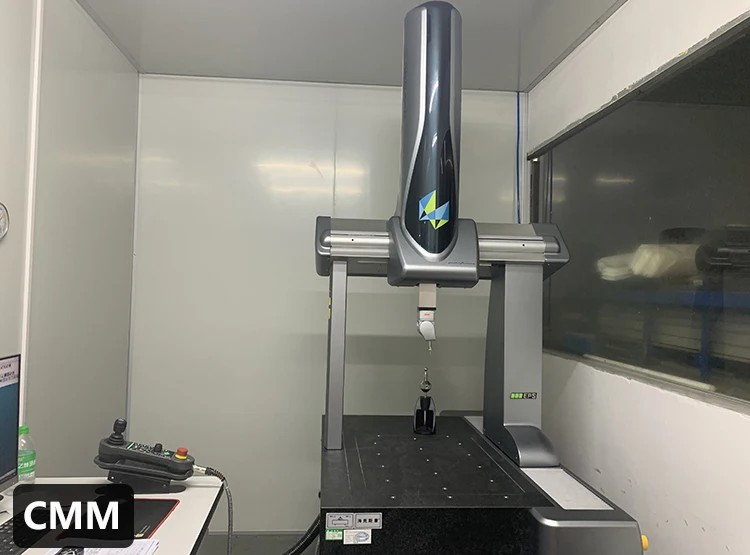
High-precision CNC machining: ±0.0005 to ±0.001 inches
Surface finish is measured in microinches (Ra) or micrometers (Ra). Common specifications include:
125 Ra or better — standard machined finish, suitable for most structural parts
63 Ra or better — finer finish, often required for sealing surfaces or bearing interfaces
32 Ra or better — very fine finish, typically needed for hydraulic or pneumatic components
Specifying an unnecessarily fine surface finish adds cost without improving performance. A surface finish guide should be referenced during design review to align specifications with actual functional needs.
Common Mistakes When Sourcing CNC Machined Parts
Buyers frequently encounter avoidable issues when ordering CNC machined components. The most common mistakes fall into three categories: design, specification, and supplier selection.
Design-related mistakes:
Adding unnecessary tight tolerances to non-critical features
Designing internal corners with zero radius, which is impossible to machine
Omitting tool access paths for threading or boring operations
Specification-related mistakes:
Specifying a material that is over-specified for the application
Requesting surface finishes that exceed functional requirements
Not defining inspection and acceptance criteria upfront
Supplier selection mistakes:
Choosing a supplier based on unit price alone, without evaluating engineering capability
Failing to verify the manufacturer’s equipment and quality processes
Not requesting a design for manufacturability review before finalizing the drawing
Each of these mistakes carries a cost. Over-specifying tolerances can increase per-part cost by 30 to 50 percent. Poor design choices can lead to scrapped parts, delayed shipments, and rework. YPMFG provides engineering evaluation as a standard step before production to identify and resolve these issues early.
How to Choose a CNC Machining Partner
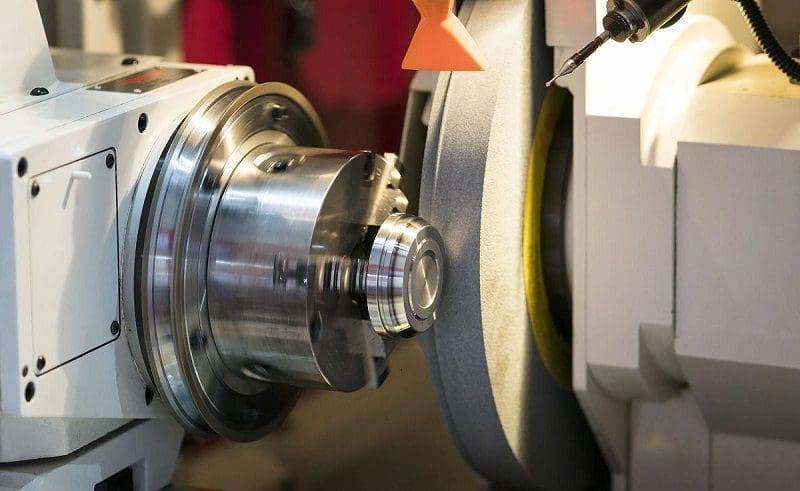
Selecting the right manufacturer for CNC precision machining parts requires evaluating several practical factors beyond price. The following criteria help buyers make a reliable decision.
Equipment capability — Verify that the manufacturer operates the type of CNC equipment needed for your parts, including 3-axis, 4-axis, or 5-axis mills and lathes.
Quality processes — Look for documented quality management systems, in-process inspection procedures, and final inspection reports.
Engineering support — A capable partner reviews drawings before quoting and flags potential manufacturing issues.
Material sourcing — Reliable suppliers source materials from certified suppliers and can provide material certifications.
Lead time transparency — Clear communication about lead times, including factors that may affect them.
Scalability — The ability to support both prototype runs and full production volumes.
Custom CNC parts often require a partner who can adapt quickly to design changes. A supplier that treats every quote as a one-time transaction may not be the right fit for ongoing projects.
Cost Factors for CNC Machined Parts
The unit cost of CNC machined components is influenced by multiple variables. Understanding these factors helps buyers evaluate quotes accurately and identify where cost savings are possible.
Key cost drivers include:
Material cost and form — Bar stock is generally more economical than plate for turned parts. Raw material prices fluctuate with market conditions.
Part complexity — Simple geometries machine faster. Complex contours, deep pockets, and multiple setups increase cycle time.
Tolerance requirements — Tighter tolerances require slower cutting speeds, additional passes, and more rigorous inspection.
Surface finish requirements — Finer finishes require additional machining passes or secondary operations.
Production volume — Higher volumes spread setup costs across more parts, reducing per-unit cost.
Secondary operations — Tapping, knurling, anodizing, passivation, and other processes add time and cost.
A detailed cost estimation should break down these factors so buyers can understand what drives the price and where adjustments are possible.
Quality Assurance and Inspection
Quality assurance is a critical differentiator among CNC machining service providers. Buyers should understand what inspection processes a manufacturer employs and what documentation is provided with each shipment.
Standard quality practices include:
First-article inspection reports with measured dimensions
Material traceability and certifications
In-process inspection during production runs
Final inspection against drawing specifications
Calibration records for measurement equipment
For regulated industries such as medical and aerospace, additional requirements may apply, including AS9100 or ISO 13485 certification. Buyers should verify that the supplier’s quality system matches the compliance requirements of their industry.
Common Questions About CNC Precision Machining Parts
What tolerance can CNC machining typically achieve?
Standard CNC machining typically achieves tolerances of ±0.005 to ±0.010 inches. Precision CNC machining can reach ±0.001 to ±0.003 inches, and high-precision processes can hold ±0.0005 inches or tighter, depending on part geometry and material.
Which material is most cost-effective for CNC machining?
Aluminum 6061 is generally the most cost-effective material for CNC precision machining parts. It machines quickly, is widely available, and offers a good balance of strength and weight for most industrial applications.
How long does lead time typically take for CNC machined parts?
Lead times vary based on part complexity, material availability, and production volume. Simple prototype parts may ship in 5 to 10 business days. More complex or higher-volume orders typically require 2 to 4 weeks. YPMFG provides lead time estimates during the engineering review phase.
What is the difference between CNC turning and CNC milling?
CNC turning produces cylindrical parts by rotating the workpiece against a cutting tool. CNC milling produces complex shapes by moving the cutting tool against a stationary workpiece. Many precision parts require both processes.
Do I need a minimum order quantity for CNC machining?
Most CNC machining parts suppliers accept single-piece prototypes. Minimum order quantities are more relevant for casting or molding processes. CNC machining is well-suited for low-volume and one-off production runs.
How should I prepare my drawings for a CNC quote?
Provide a complete 2D drawing with all critical dimensions, tolerance specifications, surface finish requirements, material callout, and any special inspection or packaging needs. A clear drawing reduces back-and-forth and leads to more accurate quotes.
Choosing the Right CNC Machining Partner for Your Project
Sourcing CNC precision machining parts successfully comes down to clear specifications, realistic tolerance requirements, and a manufacturing partner who can translate design intent into reliable production. Buyers who invest time in design review and supplier evaluation typically see fewer defects, shorter lead times, and better total cost outcomes.
When you are ready to move forward, you can send your specifications to YPMFG for an engineering review. The team can evaluate your drawings, recommend material and process adjustments, and provide a detailed quote with transparent lead times. Whether you need a single prototype or a full production run, the right partner makes the difference between a component that meets specification and one that causes problems downstream.