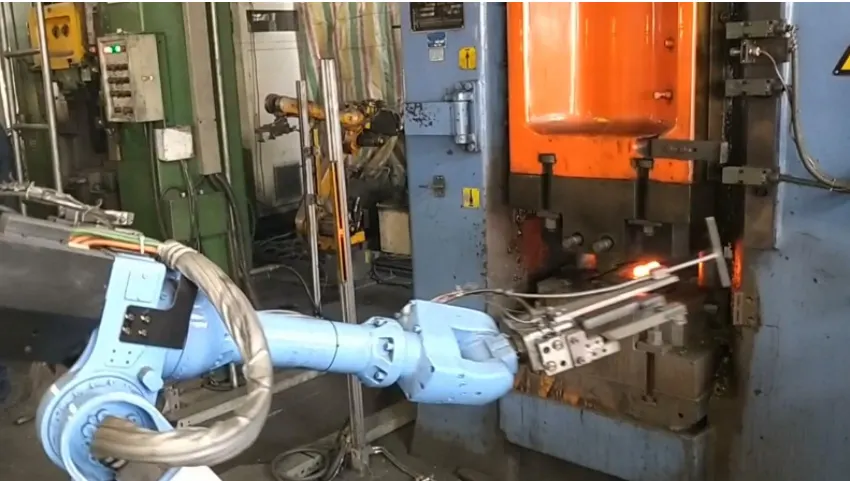
Maximizing Performance and Reducing Costs for Industrial Manufacturing
In the fast-paced world of industrial manufacturing, mechanical components, or CNC machining parts, play a critical role. For mechanical engineers and procurement professionals, understanding the details and value of CNC machining parts can directly influence project quality, cost, and delivery efficiency.
This guide helps simplify the CNC machining process, focusing on how it delivers both strong performance and better cost control. For projects that require high precision, consistency, and reliable delivery, YPMFG provides dependable CNC machining support to help customers move efficiently from design to production.
Pain Points in CNC Machining Parts
Many engineers struggle with ensuring the precise fit, functionality, and cost-efficiency of cnc machining parts used in their projects. Common issues include inconsistent quality, high lead times, and misunderstandings about the capabilities of CNC machining.
Reader Benefits
By reading this guide, you will gain a comprehensive understanding of CNC machining techniques, learn about the best practices to maximize performance, and discover how to minimize costs. We will also cover the tools and technologies that can help streamline your procurement process.
Article Promise
This article promises to provide a detailed, data-driven overview of cnc machining parts—from basics to advanced techniques. We’ll cover everything from material selection to post-processing, ensuring you have the knowledge to make informed decisions.
Table of Contents
- Understanding CNC Machining Basics
- Material Selection for CNC Machining Parts
- CNC Machining Processes
- Precision and Tolerance in CNC Machining Parts
- Common Challenges in CNC Machining
- Cost Reduction Techniques
- Quality Control in CNC Machining
- Advanced CNC Machining Technologies
- Post-Processing Techniques
- Procurement Best Practices
1. Understanding CNC Machining Basics
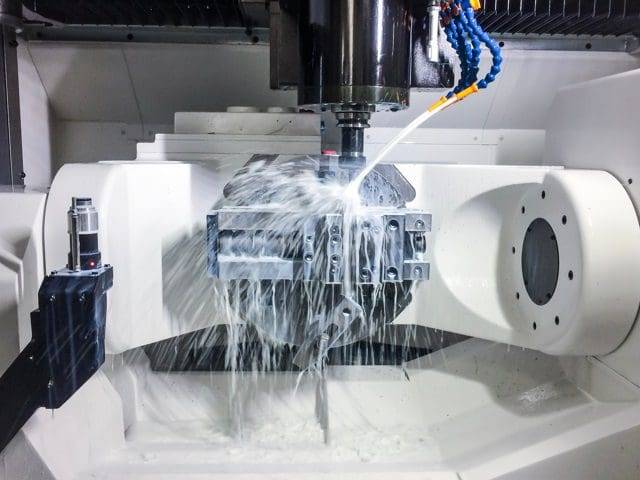
CNC (Computer Numerical Control) machining is a manufacturing process that uses computer software to control machine tools. This technology allows for the creation of highly precise cnc machining parts with minimal human intervention.
Key Diagram:
This diagram shows the steps from raw material to finished cnc machining parts using CNC technology.
2. Material Selection for CNC Machining Parts
Selecting the right material is crucial for the performance and longevity of cnc machining parts. Common materials include aluminum, stainless steel, and titanium, each offering different properties like strength, weight, and cost.
3. CNC Machining Processes
CNC machining includes various processes like milling, turning, and drilling. Each process has unique advantages and is suited for different types of cnc machining parts.
4. Precision and Tolerance in CNC Machining Parts
Precision is a hallmark of cnc machining parts. CNC machines can achieve tolerances as fine as 0.001 inches, ensuring that each part fits perfectly within the system.
Key Diagram:
This chart illustrates the typical tolerances achievable in CNC machining.
5. Common Challenges in CNC Machining
Despite its precision, CNC machining faces challenges like tool wear, material inconsistencies, and setup errors. Understanding these issues can help mitigate their impact.
6. Cost Reduction Techniques
To reduce costs, consider strategies like uniform part design, batch production, and optimizing machining parameters. These techniques can significantly lower material waste and operational costs.
7. Quality Control in CNC Machining
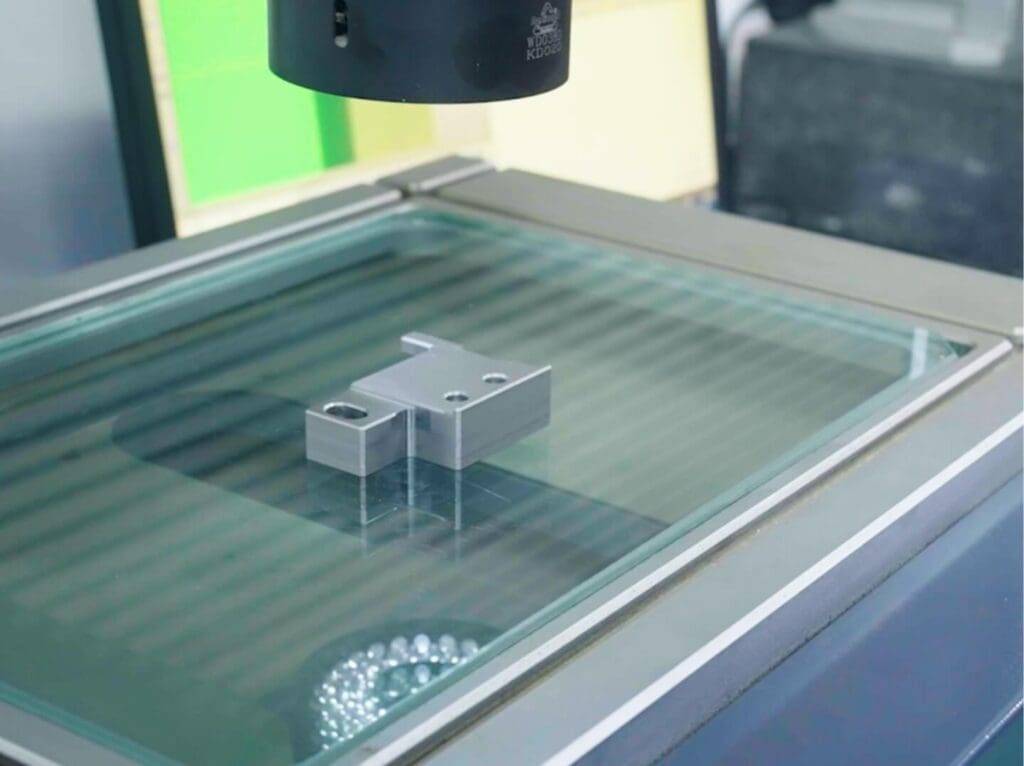
Quality control is vital for ensuring the reliability of cnc machining parts. Techniques like in-process inspection and post-production testing help maintain high standards.
8. Advanced CNC Machining Technologies
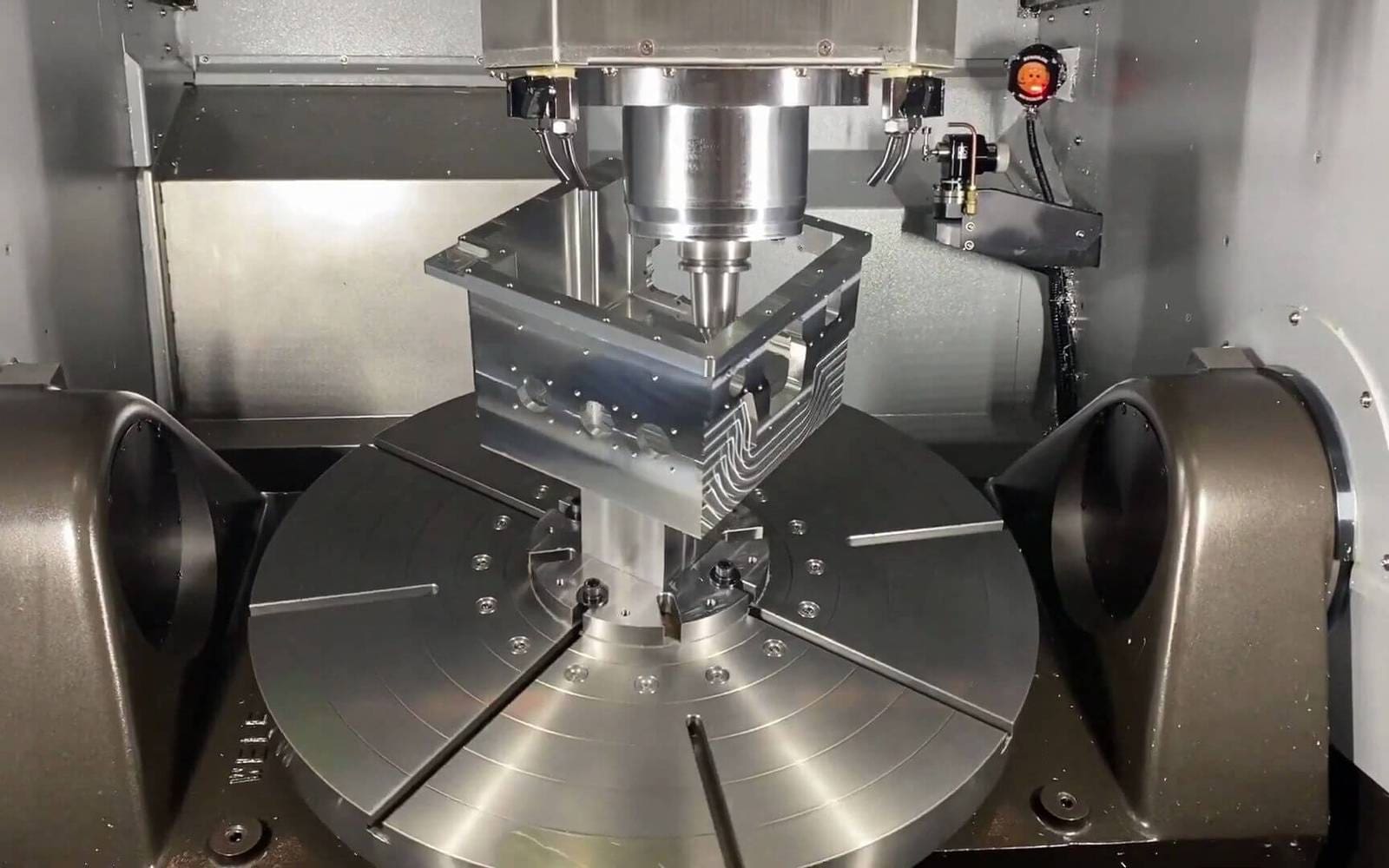
Advancements like multi-axis CNC machining and additive manufacturing are pushing the boundaries of what can be achieved with cnc machining parts. These technologies offer even greater precision and complexity.
Key Diagram:
This image shows a multi-axis CNC machine, highlighting its versatility in creating complex cnc machining parts.
9. Post-Processing Techniques
Post-processing techniques such as surface finishing, heat treatment, and coating are essential to enhance the properties of cnc machining parts. These steps can improve durability and performance.
10. Procurement Best Practices
When procuring cnc machining parts, consider factors like supplier reputation, lead times, and pricing. Establishing a reliable supply chain can ensure consistent quality and cost-efficiency.
FAQs
- What are the main benefits of using CNC machining for parts?
- CNC machining offers high precision, consistent quality, and the ability to produce complex shapes efficiently.
- How can one reduce costs in CNC machining?
- Cost reduction can be achieved through uniform part design, batch production, and optimizing machining parameters.
- What materials are commonly used in CNC machining?
- Common materials include aluminum, stainless steel, and titanium, each chosen for specific properties like strength and weight.
- How does CNC machining improve part tolerance?
- CNC machines can achieve tolerances as fine as 0.001 inches, ensuring that each part fits perfectly within the system.
- What advanced technologies are available in CNC machining?
- Technologies like multi-axis CNC and additive manufacturing offer greater precision and complexity.
Understanding and properly leveraging CNC machining parts can significantly improve the performance of your industrial projects while helping reduce manufacturing costs. With the right process knowledge, design approach, and supplier support, you can ensure your components meet high standards of precision and quality.
For projects that require better design optimization, budget control, or manufacturing feasibility review, YPMFG can provide practical manufacturing advice and project support.
For more detailed guidance or a competitive quote on CNC machining parts, contact YPMFG for a free DFM analysis, quotation, and project consultation.
Ready to improve your manufacturing processes? Contact YPMFG today for a free consultation and discover how our advanced equipment, efficient workflows, and reliable manufacturing capabilities can help you increase production efficiency, control costs, and improve part quality.