
In CNC machine tools manufacturing, improving production efficiency while maintaining micron-level precision is the primary challenge most workshops face. This guide provides seven actionable strategies—based on real-world production data and industry best practices—to help you achieve both goals simultaneously.
01Optimize Cutting Parameters for Each Material
Using generic cutting speeds, feed rates, and depths of cut is the most common cause of poor surface finish and premature tool wear. Instead, follow manufacturer-recommended parameters for specific material groups:
Aluminum alloys (6061, 7075): 800–1,200 SFM cutting speed, 0.003–0.008 IPT feed per tooth
Stainless steel (304, 316): 200–350 SFM, 0.002–0.005 IPT
Titanium (Grade 5): 80–150 SFM, 0.001–0.003 IPT
A mid-sized aerospace parts manufacturer reduced cycle time by 22% simply by adjusting feed rates from 0.004 to 0.006 IPT on 6061 aluminum.
02Implement Rigorous Tool Condition Monitoring
Dull or chipped tools cause dimensional drift, increased cutting forces, and scrapped parts. Establish a clear replacement schedule based on cutting time or part count:
For carbide end mills machining aluminum: replace every 80–120 cutting hours
For stainless steel: replace every 40–60 hours
Use spindle load monitoring: a 15% increase over baseline indicates tool wear
One job shop producing hydraulic components eliminated 94% of tool-related rework by switching to scheduled tool changes instead of reactive replacements.
03Standardize Workholding and Setup Procedures
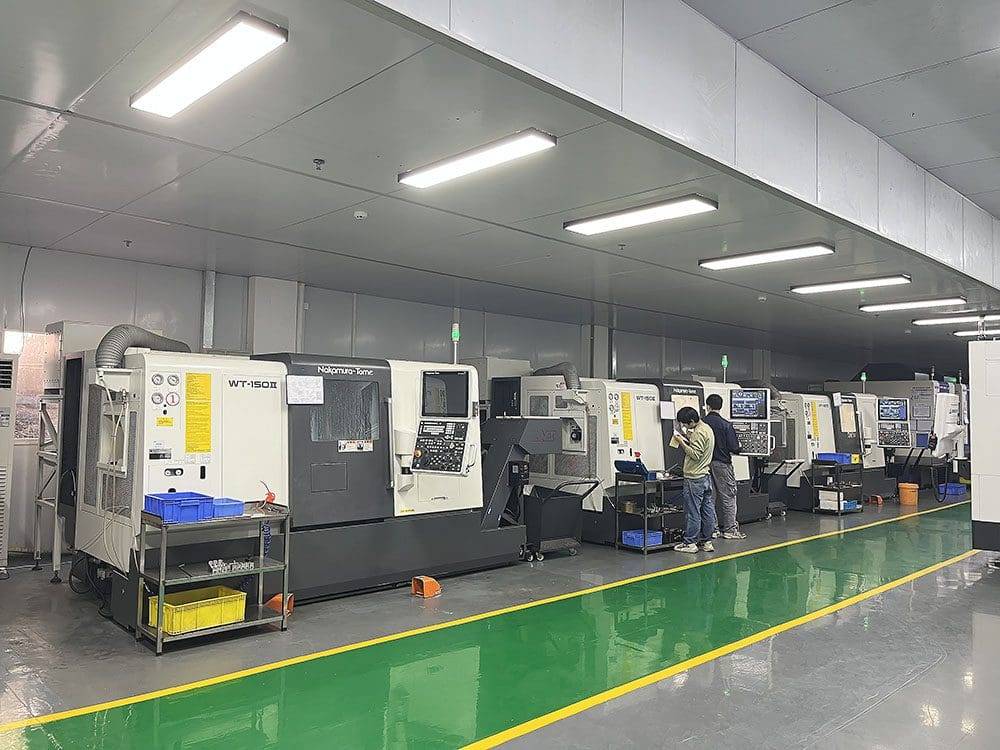
Inconsistent part clamping accounts for up to 30% of positioning errors. Implement these proven practices:
Use hydraulic or pneumatic vises with repeatable clamping force (3,000–5,000 psi)
Install zero-point workholding systems for palletized operations
Create written setup sheets with torque specifications and locating point diagrams
A medical device manufacturer reduced setup time from 45 minutes to 12 minutes per job after adopting zero-point clamping across all three-axis mills.
04Apply Thermal Compensation Strategies
Heat from spindles, ball screws, and cutting zones causes axis drift of 0.0005–0.002 inches per hour. Mitigate thermal effects with these methods:
Run a 15–20 minute warm-up program at the start of each shift
Install coolant through the spindle for heat dissipation
Use machine-mounted thermal sensors with real-time compensation (available on most modern CNCs)
A precision die shop documented a 68% reduction in size variation after implementing mandatory warm-up cycles and through-spindle coolant for long-run jobs.
05Perform In-Process Probing for Critical Features
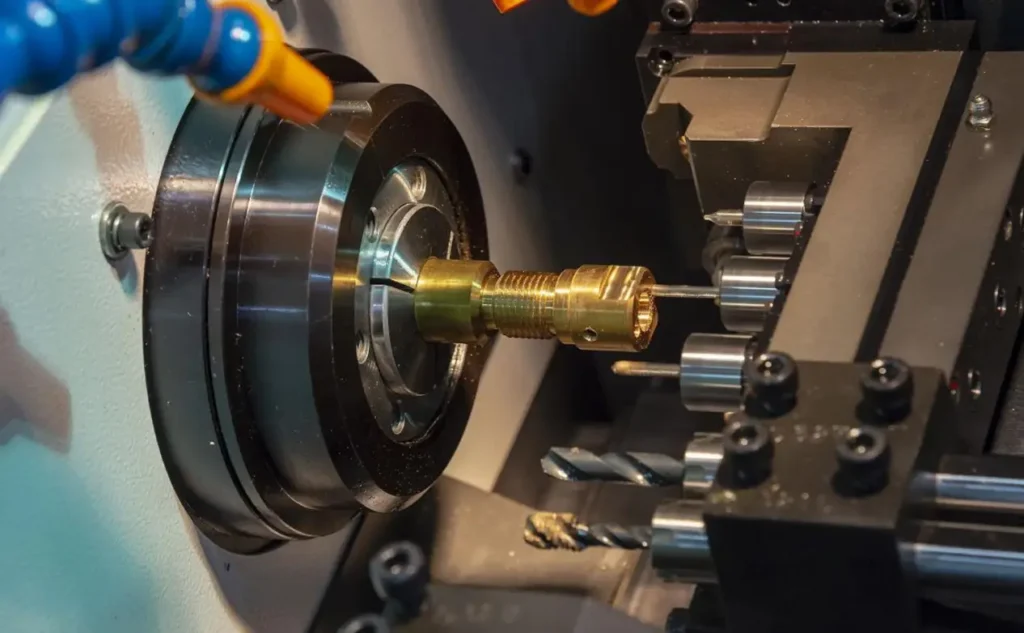
Measuring parts while still on the machine catches errors before they become scrap. Standardize these probing routines:
Tool length and diameter measurement before first cut
Part alignment probing (3-point bore or edge find) at job start
Critical dimension checks every 5–10 parts for long runs
A Tier 2 automotive supplier eliminated 100% of its post-process CMM inspections for a family of brackets after proving out in-process probing, saving 18 hours per week.
06Maintain a Clean and Organized Tool Crib
Disorganized tooling leads to wrong tool selection, damaged holders, and machine crashes. Follow the 5S methodology:
Sort: Remove broken or obsolete tools monthly
Set in order: Label every tool holder with assembly date, tool number, and runout measurement
Shine: Clean taper interfaces with isopropyl alcohol before every installation
Standardize: Use shadow boards and digital tool assignment sheets
Sustain: Assign weekly tool crib audits to a designated operator
One heavy equipment manufacturer reduced spindle crashes from 12 per year to zero after implementing a color-coded, shadow-board tool management system.
07Train Operators on Basic G-Code Editing and Troubleshooting
Operators who only press cycle start cannot diagnose common issues. Provide 16 hours of hands-on training covering:
Reading and editing feed rates, spindle overrides, and tool offsets
Identifying chatter, tool wear, and coolant issues from sound and chip formation
Resetting alarms and recovering from mid-program stops
A contract manufacturer cut its average downtime per alarm from 47 minutes to 11 minutes after cross-training all operators on basic G-code and alarm recovery procedures.
08Core Principle: Small Improvements Compound Rapidly
None of the seven strategies require new CNC machines. The most efficient CNC machine tools manufacturing operations achieve 85–90% overall equipment effectiveness (OEE) by executing the fundamentals consistently—not by chasing exotic technology.
09Immediate Action Items for Next Week
1. Audit your current tool replacement schedule against the material-specific guidelines above. If you have no schedule, start one today.
2. Measure spindle load during a typical roughing pass. Write down the baseline value.
3. Select one recurring job and apply in-process probing for its tightest tolerance feature.
By implementing these seven methods, you will reduce scrap,lower tooling costs, and increase machine uptime. Begin with the strategy that addresses your most frequent production headache—whether that is tool breakage, size drift, or setup delays—and expand from there.