CNC Car Part: A Comprehensive Guide to Optimizing Production Efficiency and Cost-Effectiveness
Unlocking the Potential of Precision Engineering in Automotive Manufacturing
Pain Points in Traditional Manufacturing
The traditional automotive manufacturing process often suffers from inconsistencies in part quality, high labor costs, and prolonged lead times. Mechanical parts produced through manual machining can lead to variations in dimensions, which can affect overall vehicle performance and safety.
Reader Benefits
By the end of this guide, you will gain a comprehensive understanding of how CNC car parts manufacturing can significantly reduce production costs, enhance precision, and improve overall efficiency. This guide is designed to provide you with actionable insights and data-driven strategies to optimize your manufacturing processes.
Article Promise
This article will deliver a detailed exploration of the advantages, processes, and best practices of CNC car part production. We will cover ten key areas to help you leverage CNC technology for better performance and cost-effectiveness in automotive manufacturing.

1. Introduction to CNC Car Parts
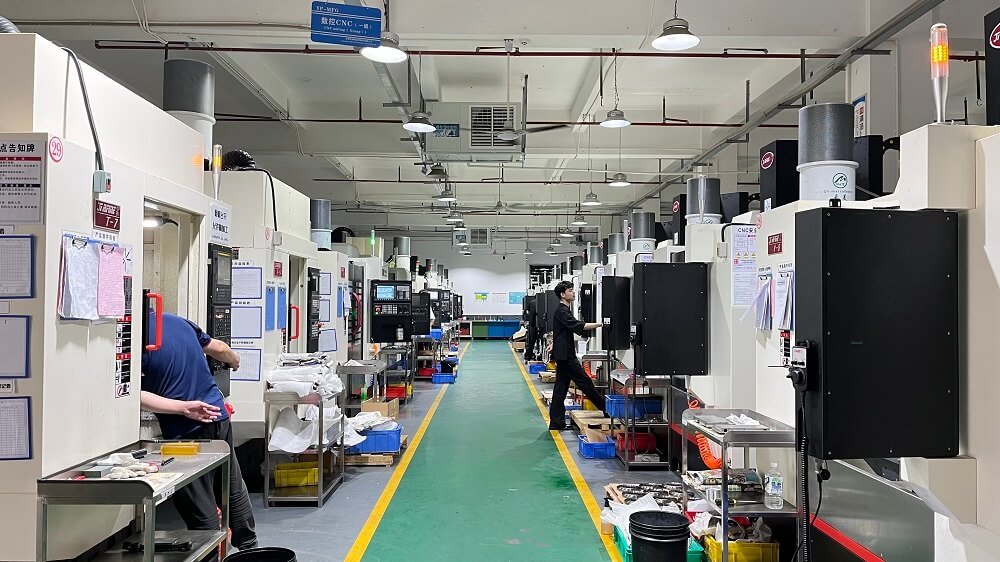
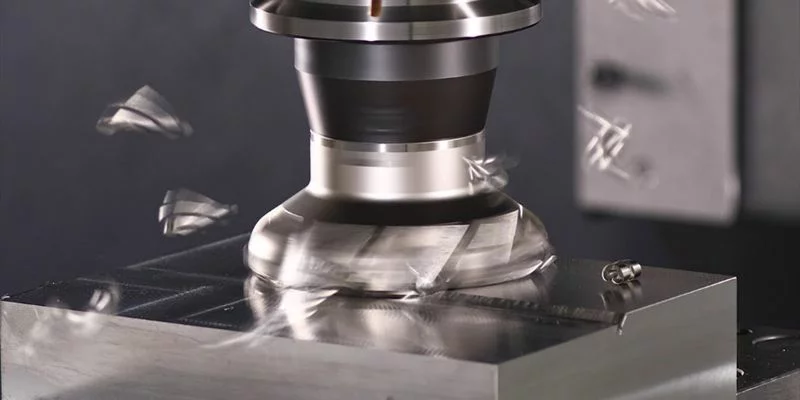
CNC (Computer Numerical Control) car parts are manufactured using computer-programmed machines that control the movement of materials and tools with high precision. This method significantly reduces human error and increases production consistency.
Key Diagram: CNC Process Flow
Figure 1: The CNC process flow illustrating the transition from CAD model to final product.
2. Advantages of CNC Car Parts
Cost Efficiency
CNC car parts offer substantial cost savings by minimizing waste and reducing labor. The automated nature of CNC machines decreases the need for extensive human intervention.
Precision and Consistency
CNC machining ensures precise dimensions and consistent quality across all parts. This precision is crucial for automotive applications where tolerances are tight.
Key Diagram: Cost-Benefit Analysis
Figure 2: A comparative cost-benefit analysis between traditional and CNC manufacturing processes.
3. Material Selection
Selecting the right material is essential for CNC car parts. Common materials include aluminum, steel, and titanium, each offering different benefits in terms of weight, strength, and cost.
Key Diagram: Material Properties Comparison
Figure 3: Material properties comparison chart for CNC automotive parts.
4. CNC Machine Types
Different types of CNC machines are used for various automotive parts, including CNC mills, CNC lathes, and 3-axis or 5-axis machines. The choice of machine depends on the complexity and requirements of the part.
5. CNC Programming
Effective CNC programming is crucial for successful part production. It involves creating a G-code program that the CNC machine will follow to manufacture the part. Proper programming ensures optimal tool paths and minimizes errors.
6. Tool Selection
Selecting the appropriate cutting tools is vital for achieving the desired finish and accuracy. Tools like carbide, diamond, and high-speed steel (HSS) are commonly used in CNC machining.
Key Diagram: Tool Life and Performance
Figure 4: A comparison of tool life and performance across different materials.
7. Quality Control
Implementing stringent quality control measures is essential to ensure the reliability of CNC car parts. This involves regular inspections and testing to detect any deviations from the required specifications.
8. Automation and Integration
Integrating CNC technology with automated systems can further enhance production efficiency. Automation reduces manual errors and speeds up the manufacturing process.
9. Maintenance and Calibration
Regular maintenance and calibration of CNC machines are crucial for sustaining precision and performance. Proper care ensures the machines operate at peak efficiency and prolongs their lifespan.
10. Case Studies
Case Study: Enhanced Production Efficiency
A leading automotive manufacturer reduced production time by 30% and cut costs by 20% by adopting CNC car parts technology. This case study highlights the transformative impact of CNC machining in automotive manufacturing.
Key Diagram: Production Efficiency Metrics
Figure 5: Production efficiency metrics before and after the adoption of CNC car parts technology.
FAQs
Q1: What are the main advantages of using CNC car parts?
A1: The main advantages include cost efficiency, precision, consistency, and reduced labor.
Q2: How does CNC technology improve part quality?
A2: CNC technology ensures precise dimensions and consistent quality through automated processes, reducing human error.
Q3: What materials are commonly used for CNC car parts?
A3: Common materials include aluminum, steel, and titanium, chosen based on weight, strength, and cost requirements.
Q4: How important is CNC programming in part production?
A4: CNC programming is crucial for defining the tool paths and ensuring optimal manufacturing outcomes.
Q5: What role does quality control play in CNC manufacturing?
A5: Quality control is essential to detect deviations and ensure that parts meet the required specifications.
Conclusion
In conclusion, CNC car parts offer numerous benefits in terms of cost-effectiveness, precision, and efficiency. By understanding and implementing the best practices discussed in this guide, manufacturers can significantly enhance their production processes.
Call to Action
Are you ready to optimize your automotive manufacturing processes with CNC technology? Contact YP-MFG for a free DFM analysis, pricing, and expert consultation to help you streamline your production and reduce costs. *YP-MFG offers cutting-edge equipment, high precision, and streamlined processes to meet your manufacturing needs.
Don’t miss out on the opportunity to elevate your production efficiency with YP-MFG. Reach out today for a tailored solution!