Quick answer:
CNC aerospace parts are precision-machined components manufactured for aircraft and spacecraft systems, where failure is not an option. These parts must meet strict industry standards, such as AS9100 certification, and are typically made from high-performance materials like titanium alloys, Inconel, and aluminum 7075. The cost is driven by material scarcity, tight tolerances (often ±0.001 inches or better), complex geometries, and extensive documentation requirements. When sourcing these parts, buyers should prioritize suppliers with proven aerospace experience, proper certifications, and full traceability throughout the manufacturing process.
The aerospace industry demands perfection. Every bolt, bracket, and structural component must perform reliably under extreme conditions, from high altitudes to severe vibrations. For procurement teams, this means navigating a landscape of material specifications, surface treatment requirements, inspection protocols, and documentation overhead. Choosing the wrong supplier can result in delays, failed inspections, or worse, in-flight failures. YPMFG specializes in producing certified CNC aerospace components and supports engineers through each stage, from design review to final delivery.
What Defines an Aerospace CNC Part
Aerospace CNC parts differ from general industrial components in three critical ways. First, they operate under regulatory frameworks that govern quality, traceability, and testing. Second, they are subjected to harsh environments including temperature extremes, pressure differentials, and continuous vibration. Third, the cost of failure—whether in terms of safety, schedule, or financial impact—is extraordinarily high.
Parts used in aviation and space applications must comply with standards set by organizations such as the FAA, EASA, and NASA. Each standard defines specific requirements for material selection, machining processes, inspection methods, and record-keeping. A single deviation from these standards can disqualify an entire production batch.
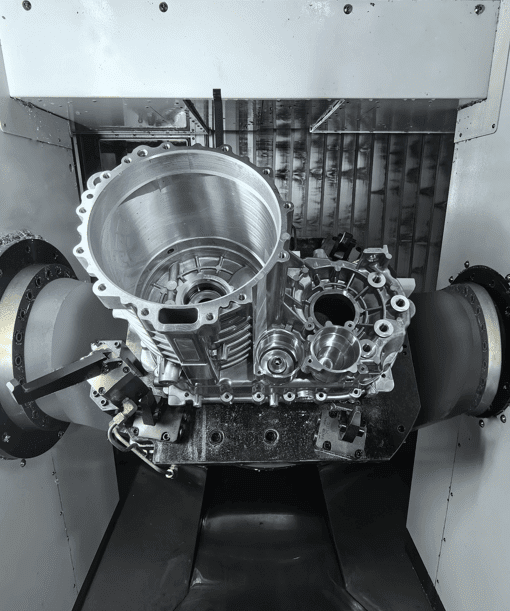
cnc aerospace parts are commonly produced using 5-axis CNC milling and turning centers. These machines enable the creation of complex geometries with minimal setup changes, which reduces human error and improves consistency. Critical dimensions are verified using coordinate measuring machines (CMM) and other advanced metrology equipment.
Key Materials Used in Aerospace CNC Machining
Material selection is one of the most important decisions when manufacturing aerospace components. The right material must balance strength, weight, corrosion resistance, and manufacturability. Below is a comparison of the most frequently specified aerospace-grade materials.
Each material presents unique machining challenges. Titanium requires lower cutting speeds and specialized tooling to prevent work hardening. Inconel generates high cutting forces and retains heat, which accelerates tool wear. Aluminum alloys are easier to machine but can be prone to galling and burr formation if tool paths are not optimized.
YPMFG evaluates material options during the engineering review phase to ensure compatibility with your design intent and operational environment. This process helps avoid costly redesigns and ensures the final part meets performance specifications.
Tolerance and Surface Finish Requirements
Aerospace components demand tighter tolerances than most industrial applications. Standard CNC machining can achieve tolerances of ±0.005 inches, but aerospace parts often require ±0.001 inches or better. Achieving these tolerances requires stable machine tools, calibrated measurement equipment, and controlled thermal conditions.
Surface finish is equally critical. Smooth surfaces reduce stress concentration points and improve fatigue life. Common surface finish requirements for aerospace parts range from Ra 32 to Ra 8 microinches, depending on the application. Honing, polishing, and electrochemical machining are often used to achieve the required finishes.
Several factors influence whether a supplier can consistently meet tight tolerances:

Machine tool condition and calibration status
Fixturing stability during multi-axis operations
Thermal compensation systems
Operator expertise and inspection procedures
Environmental control in the machining area
When reviewing potential suppliers, ask about their tolerance capabilities and whether they perform first-article inspection (FAI) according to AS9102 standards. Proper FAI documentation confirms that each dimension meets the drawing requirements before full production begins.
Quality Standards and Certifications
Quality assurance in aerospace manufacturing is non-negotiable. Buyers must verify that their supplier holds relevant certifications before placing orders. The following standards define the quality management expectations for aerospace component producers.
AS9100 is the primary quality management standard for the aerospace industry. It builds on ISO 9001 requirements but adds aerospace-specific clauses covering risk management, configuration control, and counterfeit part prevention. Any supplier producing parts for aviation applications should hold current AS9100 certification.
Nadcap provides accreditation for special processes such as heat treating, anodizing, and nondestructive testing. While not all machining operations require Nadcap, suppliers offering these ancillary services should demonstrate compliance.
Other relevant standards include MIL-I-45208 for inspection system requirements and ISO 13485 for medical device-related aerospace components. Each standard introduces additional documentation and audit obligations that affect lead times and costs.
Documentation is a defining characteristic of aerospace manufacturing. Every batch requires material certifications, process records, inspection reports, and traceability labels. Buyers should expect to receive a complete quality package with each shipment, including CMM reports and nonconformance records if applicable.
Common Aerospace CNC Part Applications
Aerospace CNC components serve diverse functions across commercial aviation, defense, and space sectors. Understanding these applications helps buyers specify the correct material, tolerance, and surface treatment for their project.
Engine components represent one of the most demanding applications. Turbine blades, combustor liners, and fuel system fittings operate under extreme thermal and mechanical loads. Materials such as Inconel and titanium are standard choices for these parts. Machining strategies must account for difficult-to-cut properties while maintaining tight dimensional control.
Structural components include brackets, mounting plates, and framework elements that support avionics, landing gear, and control surfaces. Aluminum alloys dominate this category due to their favorable strength-to-weight ratio. CNC milling is the primary manufacturing method, with 5-axis machines enabling complex part geometries in single setups.
Fluid system parts encompass valves, manifolds, and hydraulic fittings that control propellant and lubricant flow. These components require leak-proof seals and precise bore geometries. Surface finish and dimensional accuracy are essential to prevent leakage under pressure cycling conditions.
Fasteners and connecting hardware, though small, are critical to overall assembly integrity. CNC turning produces bolts, nuts, and pins to exact specifications. Material traceability is mandatory, and many buyers require lot-level documentation linking each batch to its original mill test report.
What to Consider When Procuring Aerospace CNC Parts
Procurement decisions for aerospace components involve more than price comparison. Buyers should evaluate suppliers based on technical capability, quality systems, and communication responsiveness. The following criteria provide a practical framework for assessment.
Engineering support is essential for complex parts. A capable supplier will review your drawings, identify potential manufacturing issues, and suggest design improvements that maintain function while reducing cost or lead time. Suppliers that simply quote without feedback may lack the experience required for aerospace work.
Certification status must be verified before engagement. Request copies of AS9100 certificates and check their validity period. Inquire about Nadcap accreditations if your parts require special processes. Never assume certification based on marketing claims alone.
Traceability practices affect both compliance and recalls. Ask how the supplier tracks material lots through production and which records are provided at delivery. Full traceability enables rapid identification of affected batches if a quality issue emerges downstream.
Inspection protocols determine whether problems reach your assembly line. Reputable suppliers perform in-process inspections and final verification before shipment. First-article inspection reports, dimensional data, and photos should accompany every delivery.
YPMFG supports buyers through each of these evaluation areas. Our team reviews engineering drawings, confirms certification alignment, and provides comprehensive documentation packages with every order.
Practical Questions Buyers Should Ask Before Ordering
Procurement decisions benefit from clear questions that reveal a supplier’s actual capability and willingness to meet aerospace requirements. The following questions address common gaps between buyer expectations and supplier promises.
Do you hold current AS9100 certification, and can you provide the certificate upon request?
Valid certification is the baseline requirement. Suppliers unable to produce current certificates within 48 hours may not maintain the required quality systems.
What tolerance ranges can you consistently achieve on production parts?
Claims of ultra-tight tolerances should be backed by demonstrated capability, not just equipment specifications. Ask for examples from similar projects.
Do you perform first-article inspection (FAI) on all aerospace orders?
FAI identifies deviations before full production begins. Without this step,defects may propagate across entire batches.
How do you manage material traceability from receipt through final shipment?
Traceability systems must link each part to its original material certification. Incomplete records create compliance risks and complicate audits.
What documentation will you provide with each shipment?
Expect material certs, inspection reports, and process records. Suppliers that deliver parts without supporting paperwork are not suitable for aerospace work.
Can you support custom design revisions without significant lead time increases?
Design changes are common in aerospace development. Suppliers with rigid processes may resist necessary modifications.
What is your procedure for handling nonconforming materials or out-of-tolerance parts?
Quality systems should include clear disposition processes. Suppliers that discard questionable parts without notification waste your time and money.
Do you offer post-machining services such as anodizing, heat treating, or NDT?
Value-added services reduce supply chain complexity. Verify that any secondary processes are performed by accredited providers.
Selecting the Right CNC Machining Partner for Aerospace Components
Successful aerospace procurement depends on finding a supplier that understands both the technical requirements and the documentation burden. Price should never be the sole deciding factor. A low quote often reflects shortcuts in inspection, traceability, or quality management that become expensive later.
The most reliable suppliers demonstrate competence through their documentation, responsiveness, and willingness to share process details. They ask questions about your end-use application, suggest material alternatives when appropriate, and provide realistic lead time estimates rather than optimistic promises.
When evaluating options, request samples or audit reports from recent aerospace projects. Reviewing actual work products gives better insight into capability than listening to sales presentations. Pay attention to how clearly the supplier explains their processes and whether they anticipate potential issues before you raise them.
cnc machining services for aerospace applications require specialized knowledge and investment. The right partner will treat your components with the same seriousness you bring to safety-critical systems, ensuring every part meets specification before it leaves the shop floor.