
Quick answer:
Hot-sale machining services for CNC turning parts are high-demand, cost-efficient production solutions used across automotive, aerospace, medical, and industrial equipment sectors. These services typically focus on parts with cylindrical geometries, tight tolerances, and medium-to-high volume runs. The demand is driven by repeatable quality, fast turnaround, and material versatility. However, not all CNC turning services deliver the same consistency—lead time, tolerance control, and surface finish vary significantly by supplier. Choosing a service that combines engineering support with production flexibility is essential for avoiding delays and rework costs.
If you are sourcing CNC turned parts for ongoing production, you have likely faced the same pressure: balancing unit price against delivery reliability and quality consistency. The market is crowded with shops that can turn a shaft or bushing, but the difference between a “hot-sale” service and a long-term partner often comes down to how well they handle material sourcing, tolerance verification, and order scalability. Understanding what makes a machining service truly efficient—beyond just low pricing—can save your supply chain from hidden costs.
What Are Hot-Sale CNC Turning Services?
Hot-sale machining services for CNC turning parts refer to production solutions that are consistently in high demand due to their repeatability, speed, and cost efficiency. These services typically focus on CNC turning of cylindrical components such as shafts, bushings, pins, and fittings. The term “hot-sale” indicates that these services are widely specified by engineers and procurement teams who need reliable supply without constant qualification cycles.
The core advantage of CNC turning is its ability to produce parts with high concentricity and surface finish in a single setup. A hot-sale service often combines multi-axis turning centers with automated bar feeders to reduce cycle times. This makes it suitable for both prototype runs and medium-to-high volume orders.
Buyers typically select these services when they need consistent quality across batches, short lead times, and material flexibility. The service becomes “hot” when it meets the intersection of price, speed, and quality that aligns with common production needs.
Common Part Types Covered Under Hot-Sale Machining Services
Hot-sale CNC turning services typically cover parts with rotational symmetry. These include:
Shafts and axles
Bushings and sleeves
Pins and dowels
Fittings and couplings
Pulleys and rollers
Valve components
Fasteners and threaded parts
Sensor housings and spacers
Each of these part types benefits from the precision and repeatability of CNC turning. Shafts require consistent diameters along their length. Bushings need tight ID/OD concentricity. Fittings demand reliable thread quality. Hot-sale services are designed to handle these requirements efficiently, often using live tooling to complete secondary operations such as cross-drilling or milling in the same setup.
If your part list includes any of these geometries, a specialized CNC turning service can reduce handling time and improve overall yield.
Key Factors That Define a High-Demand CNC Turning Service
Not every CNC turning shop qualifies as a hot-sale service. Buyers consistently look for these five attributes:
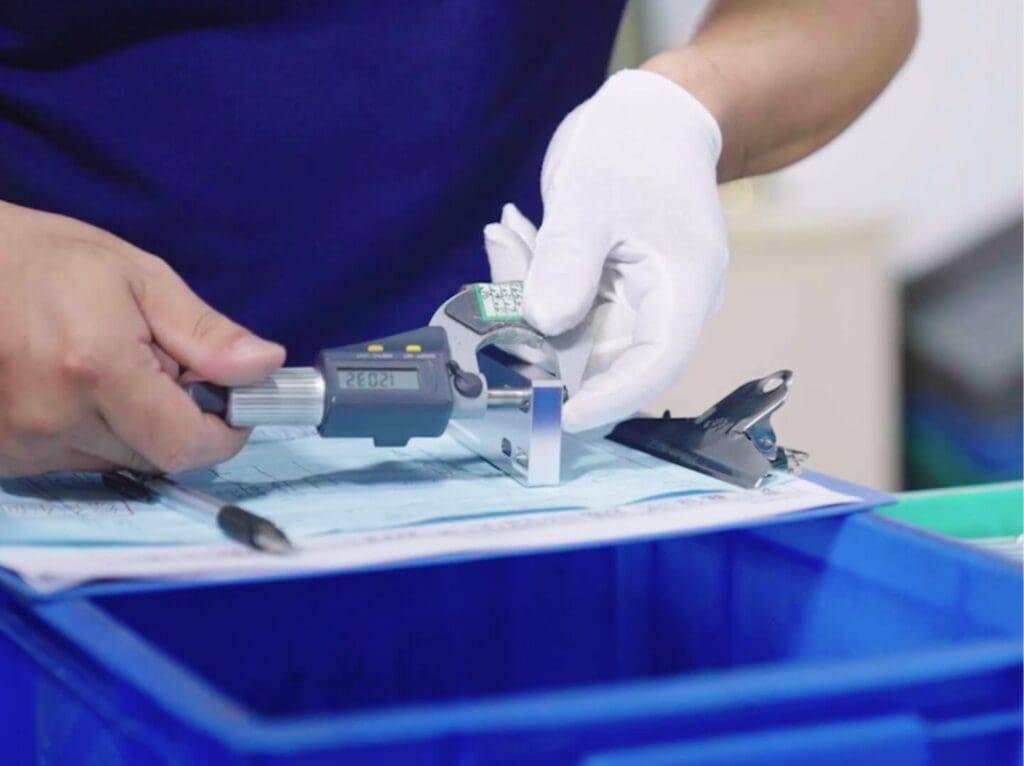
1. Tolerance capability – Consistent holding of ±0.001 inch or tighter, verified by inspection reports.
2. Material availability – Quick access to common grades of steel, stainless steel, aluminum, brass, and engineering plastics.
3. Lead time reliability – On-time delivery within quoted lead times, even for repeat orders.
4. Surface finish quality – Ability to achieve 32 Ra or better without secondary polishing.
5. Engineering support – Assistance with design for manufacturability adjustments that reduce cost without compromising function.
A service that scores well on all five factors typically sees higher repeat order rates. Buyers return not just for price, but because they can trust the output without constant inspection. YPMFG supports buyers by providing pre-production engineering reviews and material sourcing recommendations, helping to avoid common issues such as poor chip control or incorrect chamfer specifications.
How to Compare CNC Turning Service Providers
Comparing CNC turning services requires looking beyond the unit price. Use the following table as a practical evaluation tool:
When reviewing potential suppliers, ask for a sample part quote and compare how thoroughly they respond. A provider that asks clarifying questions about tolerance requirements, surface finish, and volume is more likely to deliver consistent results. YPMFG provides detailed engineering feedback with every quote, helping buyers identify cost-saving opportunities before production begins.
Materials and Tolerances in High-Volume Turning
The choice of material directly affects both machining cost and achievable tolerance. Common materials in hot-sale CNC turning services include:
Aluminum 6061 – Excellent machinability, good strength-to-weight ratio, typical tolerance ±0.002 inch
Stainless steel 303 and 304 – Corrosion-resistant, moderate machinability, typical tolerance ±0.001 inch
Steel 12L14 and 1018 – Low carbon, great surface finish, typical tolerance ±0.001 inch
Brass C360 – Free-machining, excellent for threaded parts, typical tolerance ±0.001 inch
Engineering plastics (Delrin, Nylon, PTFE) – Lightweight, self-lubricating, typical tolerance ±0.003 inch
For high-volume production, material consistency becomes critical. Variations in bar stock hardness or diameter can cause tool wear patterns that affect dimensional stability. A reliable service will verify material certifications and adjust tool paths accordingly.
Tolerance capability also depends on machine condition and tooling quality. Older machines may struggle to hold tight tolerances over long runs. Hot-sale services typically use modern CNC lathes with thermal compensation and in-process probing to maintain accuracy.
Cost Drivers for CNC Turning Parts
Understanding what drives cost helps buyers make smarter sourcing decisions. The main cost factors include:
Material cost – Higher-grade alloys and specialty plastics increase raw material expense.
Complexity – Parts requiring live tooling, multiple diameters, or threaded features add setup time.
Volume – Larger order quantities reduce per-unit setup cost but require more machine capacity.
Tolerance tightness – Holding ±0.0005 inch requires slower feeds and more inspection time.
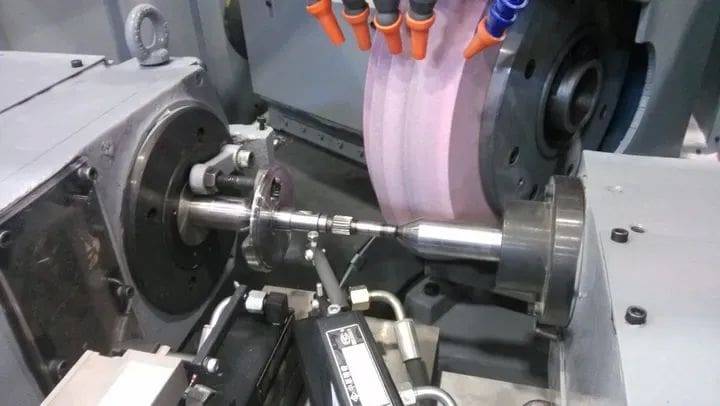
Surface finish requirements – Finishes below 16 Ra may need secondary grinding or polishing.
Lead time – Rush orders often carry premium pricing due to schedule disruption.
Buyers can reduce costs by reviewing design tolerances with the service provider. Often, a slight relaxation of a non-critical tolerance can shorten cycle time significantly without affecting part function.
Questions Buyers Often Ask About CNC Turning Services
How do I know if my part is suitable for CNC turning?
If your part has rotational symmetry—such as a shaft, bushing, or fitting—it is likely suitable for CNC turning. Parts with complex features may require multi-axis turning with live tooling to complete secondary operations in one setup.
What is the typical lead time for CNC turning parts?
Lead times vary by complexity and volume. Simple parts in common materials can ship in 1-2 weeks. Complex or custom alloy parts may require 3-4 weeks. Many hot-sale services offer expedited production for an additional fee.
How tight of a tolerance can CNC turning achieve?
Standard CNC turning can hold ±0.002 inch consistently. Precision turning can achieve ±0.0005 inch with proper tooling and machine setup. Tolerance capability should be verified with inspection reports from each batch.
Do I need to provide a drawing for a quote?
Yes, a detailed engineering drawing or 3D model is required for accurate quoting. The drawing should specify critical dimensions, tolerances, surface finish,and material grade. Without this information, quotes are estimates only.
Can CNC turning handle small batch orders?
Yes, many services accept runs as small as 10-50 parts. However, per-unit cost will be higher due to setup time. For small batches, consider services that offer quick-change tooling to reduce setup overhead.
What surface finish can I expect from CNC turning?
Typical as-turned surface finish ranges from 32 to 63 Ra. With proper feeds and finishing passes, 16 Ra is achievable. Lower finishes may require secondary grinding.
How do I ensure consistent quality across multiple orders?
Request a process control plan and inspection report with each shipment. Consistent tool maintenance and machine calibration are key to repeatable quality. Working with a single service for all orders also helps maintain process stability.
What documentation should I request with each shipment?
Request material certifications, dimensional inspection reports, and if applicable, a certificate of conformance. These documents provide traceability and support your own quality audits.
Choosing the Right CNC Turning Service for Your Production Needs
Hot-sale machining services for CNC turning parts are defined by their ability to deliver consistent quality, reliable lead times, and responsive engineering support. The best choice for your production depends on matching service capabilities with your specific part requirements—tolerance, material, volume, and surface finish.
When evaluating providers, focus on tolerance verification, material handling experience, and documentation practices rather than price alone. A service that offers upfront engineering feedback and clear communication reduces long-term procurement risk.
If you are sourcing CNC turning parts and need a partner who can review your specifications, provide a detailed quote, and support your production schedule, contact YPMFG. Their team can help you compare material options, optimize tolerances, and ensure your parts meet the required quality standards without unnecessary cost.