Quick answer:
5-axis CNC machining allows a cutting tool to approach a workpiece from five different directions simultaneously. This capability enables the production of highly complex geometries that are impossible with standard 3-axis machines. For buyers, this means fewer setups, higher accuracy, and significantly reduced lead times for intricate parts.
The decision to use 5-axis technology directly impacts your project’s cost structure and quality outcomes. While the hourly machine rate is often higher, the reduction in manual handling and setup time usually lowers the total cost per part. Understanding these dynamics is crucial for making informed procurement decisions.
YPMFG specializes in high-precision CNC parts manufacturing services, focusing on complex geometries that require advanced multi-axis capabilities. We help engineers and procurement specialists navigate the technical requirements to ensure their designs are both manufacturable and cost-effective.
Understanding 5-Axis Technology
Five-axis machining adds two rotational axes (typically A and C) to the traditional three linear axes (X, Y, Z). This configuration allows the spindle to tilt and rotate while the part remains fixed, or vice versa. The result is continuous access to all five sides of a component without re-clamping.
This continuous engagement reduces cumulative error. Each time a part is moved or re-clamped, tolerances can shift. By completing operations in a single setup, you eliminate these alignment errors. This is particularly critical for aerospace,medical, and automotive components where precision is non-negotiable.
The technology also improves surface finish. Because the cutter can maintain an optimal angle relative to the surface, it avoids the scalloping effect common in 3-axis milling. This reduces the need for secondary finishing processes, saving both time and money.
Key Benefits for Complex Parts
The primary advantage of 5-axis machining is the ability to create complex shapes. Curved surfaces, undercuts, and angled holes can be machined in a single operation. This is essential for impellers, turbine blades, and orthopedic implants.
Shorter tools can be used because the head tilts to reach deep features. Longer tools are more prone to vibration and deflection, which affects accuracy. Using shorter tools improves rigidity and allows for faster material removal rates without sacrificing quality.
This efficiency translates to faster cycle times. A part that might take multiple setups on a 3-axis mill can be completed in one go on a 5-axis machine. This consolidation streamlines production scheduling and reduces inventory holding costs during the manufacturing process.
Material Selection and Compatibility
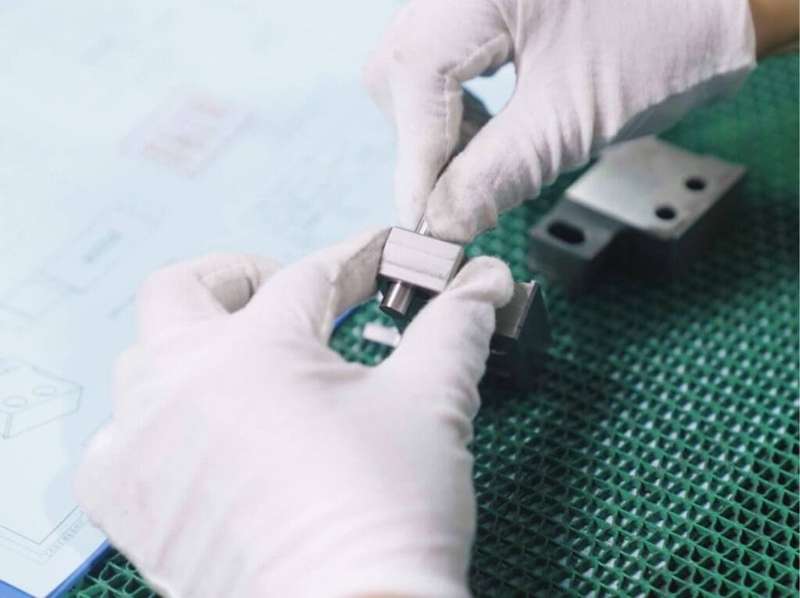
5-axis CNC machines handle a wide range of materials effectively. Common choices include aluminum, steel, titanium, and various superalloys. The choice of material depends on the final application’s strength, weight, and corrosion resistance requirements.
Titanium is frequently used in aerospace due to its high strength-to-weight ratio. However, it is difficult to machine. The 5-axis capability allows for optimized cutting angles, reducing tool wear and heat generation when working with tough materials like titanium or Inconel.
Choosing the right material involves balancing performance needs with machinability. YPMFG provides engineering evaluation to help you select materials that meet your functional requirements while remaining cost-effective to produce.
Cost Factors and Pricing Dynamics
The cost of 5-axis machining is influenced by several factors. Machine time is a significant component, but programming complexity also plays a large role. CAM software must generate precise toolpaths to avoid collisions and ensure smooth motion across five axes.
Setup costs are lower compared to multi-step 3-axis processes. Since the part is held in one fixture, labor costs for loading, measuring, and reloading are minimized. This makes 5-axis economically attractive for medium to high-volume production runs.
However, the initial investment in 5-axis programs can be higher. If your design requires frequent changes, update costs may add up. It is important to assess whether the design complexity justifies the switch from 3-axis machining.
Common Pitfalls in Design for 5-Axis
One major pitfall is designing internal corners that are too tight. Ball end mills are typically used in 5-axis machining, which leaves small flat spots in sharp internal corners. Designers should consider filleting internal corners to match the tool radius.
Another issue is improper fixturing. Because the part rotates, the clamp must not interfere with the toolpath. Overhanging features can cause collisions if not carefully planned. Simulation software is essential to verify clearances before production begins.
Underestimating the required surface finish can also lead to problems. While 5-axis machines offer better finishes, post-processing may still be needed for cosmetic parts. Clarify your tolerance and finish requirements early in the design phase.
How to Choose the Right Service Provider
Selecting a partner requires evaluating their technical expertise and equipment. Look for providers with proven experience in your specific industry. A company familiar with aerospace standards will handle titanium parts differently than one focused on consumer electronics.
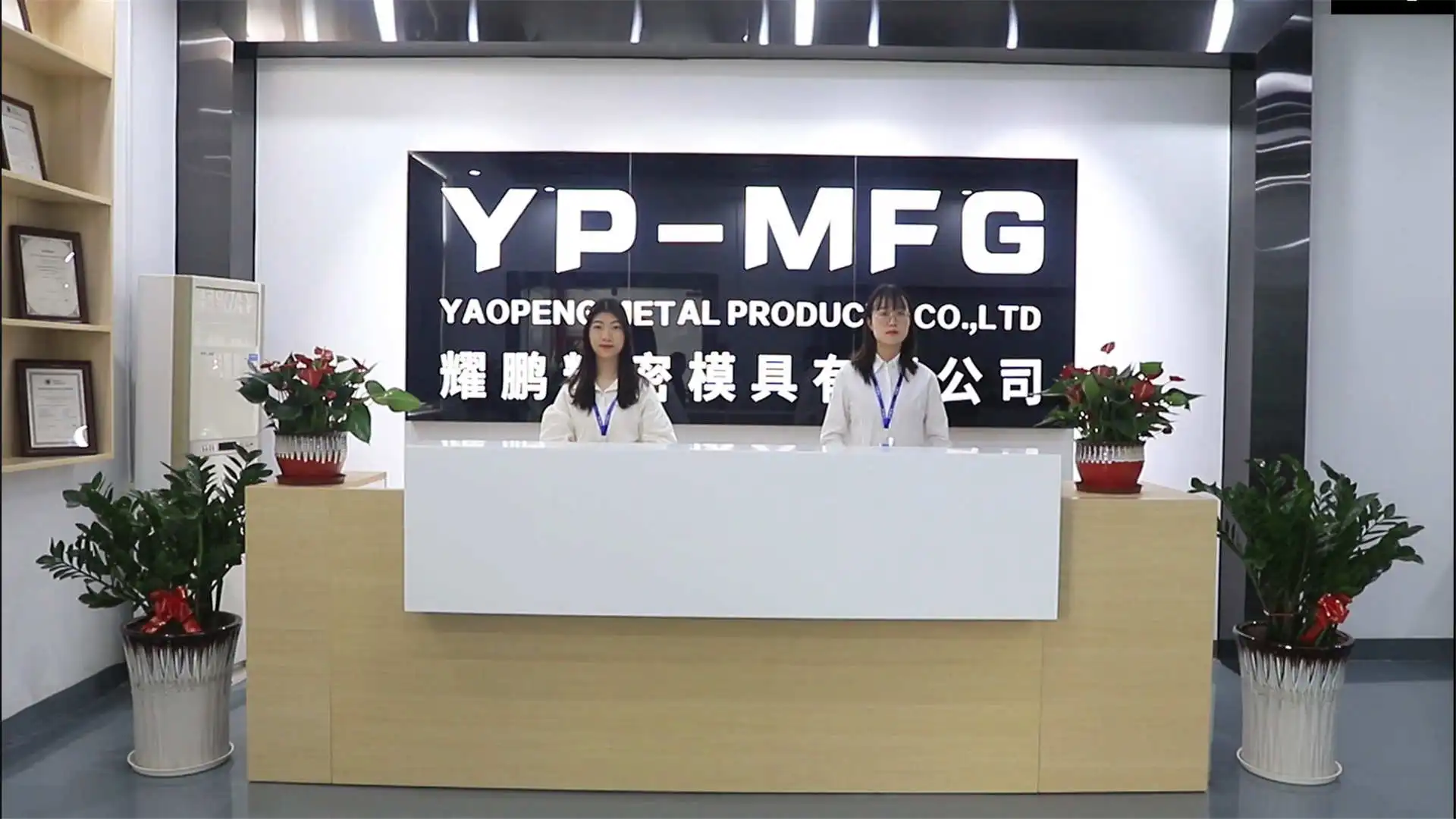
Check their quality control processes. Advanced measurement equipment like CMMs (Coordinate Measuring Machines) is essential for verifying complex geometries. Ensure they provide detailed inspection reports for every batch.
Transparency in communication is vital. A good provider will challenge your design suggestions to improve manufacturability. They should offer custom solutions that optimize your part for cost and efficiency without compromising performance.
Technical Requirements and Documentation
Clear technical drawings are the foundation of successful machining. GD&T (Geometric Dimensioning and Tolerancing) must be defined precisely. Ambiguity leads to misinterpretation and potential rework.
Material certifications are often required for regulated industries. Ensure your supplier can provide traceable documentation for raw materials. This includes mill certificates and heat treatment records if applicable.
Provide a complete bill of materials and assembly instructions if your project involves multiple parts. YPMFG supports projects that require detailed documentation to ensure seamless integration into your final assembly process.
Maintenance and Longevity of Machined Parts
Proper maintenance extends the life of machined components. Surface treatments like anodizing or passivation protect against corrosion. These processes should be specified in your initial design requirements.
Regular inspection of critical interfaces helps prevent failure. For dynamic parts, check for wear patterns that indicate misalignment or excessive load. Early detection allows for corrective action before catastrophic failure occurs.
Storage conditions also matter. Sensitive components should be kept in controlled environments to prevent oxidation. Proper packaging during shipping ensures that delicate features remain undamaged until they reach their destination.
Practical Questions Before Choosing 5-Axis
Is 5-axis machining necessary for my part?
If your part has complex curves or requires tight tolerances across multiple faces, 5-axis is likely necessary. For simple prismatic parts, 3-axis may be more cost-effective. Evaluate the geometry carefully.
What is the typical lead time?
Lead times vary based on complexity and quantity. Standard 5-axis jobs often take 1-3 weeks. Expedited services may reduce this but at a higher cost. Confirm timelines during the quoting process.
How does tool wear affect pricing?
Harder materials increase tool wear, raising costs. However, 5-axis techniques often extend tool life by optimizing cutting angles. Discuss material choices with your engineer to balance durability and cost.
What file formats are accepted?
Most providers accept STEP, IGES, and STL files for 3D models. PDF drawings are required for 2D specifications. Ensure your files are clean and free of errors to avoid processing delays.
Can I get samples before full production?
Yes, prototyping is a common step. Many suppliers offer sample runs to validate design and fit. This minimizes risk before committing to larger production volumes. Request samples for critical assessments.
Do you offer design for manufacturability reviews?
Reputable providers offer DFM reviews to optimize your design. This service identifies potential machining issues early. It saves money by preventing costly redesigns after production has begun.
Making a Better Long-Term Decision
Choosing 5-axis CNC machining is a strategic decision that balances upfront cost with long-term value. It offers superior precision, efficiency, and capability for complex parts. By understanding the technical nuances and selecting the right partner, you can optimize your supply chain.
YPMFG offers comprehensive support, from initial engineering assessment to final delivery. We help you navigate the complexities of multi-axis manufacturing to ensure your projects succeed. Send your specifications to YPMFG for a detailed quote and expert advice.