
Quick answer:
A 3D print product is best suited for rapid prototyping, complex internal geometries, or low-volume custom parts where tooling costs cannot be justified. For high-volume production or parts requiring strict mechanical strength and tight tolerances, traditional machining often provides better value and consistency. The choice depends entirely on your specific application requirements, material needs, and budget constraints.
YPMFG specializes in evaluating these trade-offs to help you select the most efficient manufacturing route. We assess whether additive manufacturing or subtractive processes align with your engineering goals.
Understanding the Role of Additive Manufacturing
Additive manufacturing builds objects layer by layer, allowing for designs that are impossible to achieve with traditional cutting methods. This process eliminates the need for expensive molds or fixtures, making it ideal for custom solutions. Engineers often turn to this method when design iteration speed is more critical than per-unit cost.
However, surface finish and dimensional accuracy may require additional post-processing. The mechanical properties can also vary depending on the printing orientation and material used. It is essential to understand these limitations before finalizing a design for mass production.
Key Differences Between Printed and Machined Parts
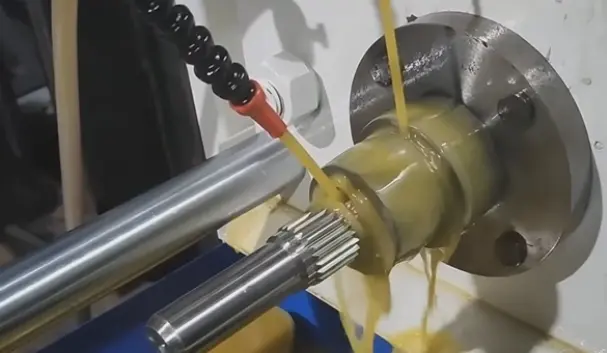
Choosing between a printed component and a machined one involves comparing several technical factors. Each method has distinct advantages regarding geometry, material strength, and production speed. Understanding these differences prevents costly mistakes during the procurement phase.
The table above highlights why many engineers start with rapid prototyping services before committing to CNC components. While printing offers freedom in design, machining ensures reliability in performance.
Critical Factors in Product Selection
Buying decision often hinges on the intended use of the part. If the component will undergo heavy stress or operate in extreme temperatures, material selection becomes paramount. Thermoplastics used in FDM printing may soften under heat, whereas metals or nylons offer higher thermal stability.
Design for Additive Manufacturing (DFAM) principles should guide your initial sketches. Overhangs, thin walls, and support structures significantly impact the final quality and cost. YPMFG provides engineering reviews to optimize your designs for manufacturability early in the process.
Common Mistakes to Avoid
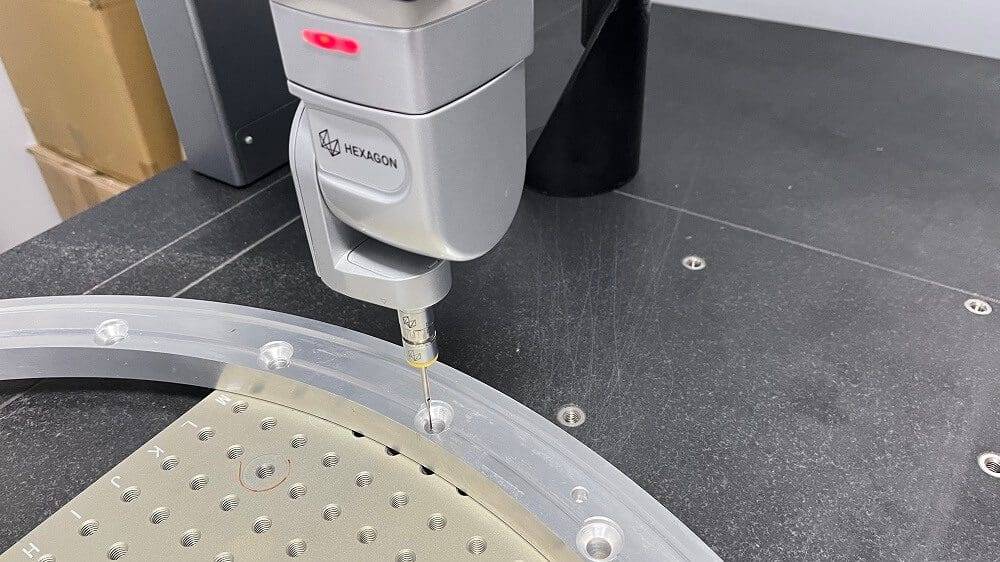
Many buyers underestimate the importance of post-processing when ordering a 3D printed prototype. As-printed surfaces often show visible layer lines that may not meet aesthetic or functional standards. Ignoring tolerances can lead to assembly failures, especially in tight-fitting mechanical assemblies.
Another frequent error is assuming all 3D printing materials are interchangeable. SLA resins are brittle,while SLS nylon is flexible but porous. Selecting the wrong material can compromise the entire project lifecycle. Always verify specifications with your manufacturer before placing an order.
Practical Questions Before Choosing [Product]
What materials are available for industrial 3D printing?
Common options include ABS, PLA, Nylon (SLS), Resin (SLA/DLP), and metal powders (DMLS). Material choice dictates strength, heat resistance, and chemical compatibility. Verify datasheets for specific mechanical properties relevant to your application.
How accurate are 3D printed parts compared to CNC?
Typical tolerance for FDM is around +/- 0.5mm, while SLA reaches +/- 0.1-0.2mm. CNC machining generally achieves tighter tolerances of +/- 0.05mm or better. For precision fits, consider CNC or post-print machining operations.
Is 3D printing cheaper for large quantities?
No. Unit costs remain relatively constant regardless of volume for printing. CNC or injection molding becomes more cost-effective at scale due to faster cycle times and lower labor per unit. Use printing for prototypes and small batches only.
Can I get samples before full production?
Yes, most manufacturers offer sample runs for validation. Request a custom quote for sample testing to check fit and function. This step reduces risk before committing to larger orders.
Making a Better Long-Term Decision
Selecting the right manufacturing partner requires balancing technical capability with service responsiveness. A reliable supplier should offer clear guidance on material selection and design optimization. They must also provide transparent pricing without hidden fees for post-processing.
YPMFG supports projects that require precise engineering evaluation and fast turnaround times. Whether you need a single prototype or a batch of functional parts, our team helps ensure quality compliance. You can send your specifications to YPMFG for a detailed review and competitive instant quote.