Quick answer:
On-demand CNC machining is a manufacturing model where CNC-machined parts are produced only when an order is placed, without requiring minimum order quantities or long-term commitments. This approach is ideal for prototyping, low-volume production, and custom parts, allowing buyers to reduce inventory costs, shorten lead times, and access production capacity flexibly. However, not all on-demand services deliver the same quality or speed. Without careful evaluation of material sourcing, tolerance capabilities, and quality control processes, buyers risk receiving parts that fail to meet specifications or require costly rework.
For procurement engineers, product designers, and supply chain managers, the central challenge is balancing speed, cost, and quality—especially when dealing with complex geometries or non-standard materials. On-demand CNC machining promises agility, but the actual outcome depends heavily on the provider’s equipment, engineering expertise, and process transparency.
Table of Contents
1. How On-Demand CNC Machining Differs from Traditional Manufacturing
2. Common Applications and When to Use On-Demand CNC
3. Key Factors That Affect Part Quality and Lead Time
4. Material Options and Their Impact on Cost and Performance
5. How to Evaluate an On-Demand CNC Machining Provider
6. Questions Buyers Often Ask About On-Demand CNC Machining
7. Choosing the Right On-Demand CNC Machining Partner
01How On-Demand CNC Machining Differs from Traditional Manufacturing
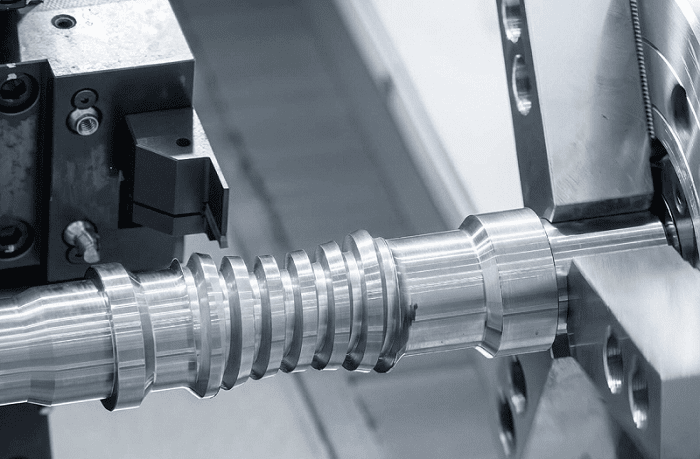
Traditional manufacturing often requires large minimum order quantities to justify setup costs and machine programming. In contrast, on-demand CNC machining eliminates this requirement entirely. A single part can be produced at a cost per unit that is competitive with medium-volume runs, provided the provider uses digital quoting and automated programming.
The difference also extends to inventory management. Instead of ordering thousands of parts and storing them, buyers order only what they need, when they need it. This reduces carrying costs and the risk of obsolescence.
However, on-demand services typically charge a higher per-unit price than mass production. The trade-off is reduced total cost of ownership when factoring in storage, waste, and design iteration cycles.
02Common Applications and When to Use On-Demand CNC
On-demand CNC machining is most effective for prototyping, bridge production, and custom tooling. Prototyping requires fast turnaround and frequent design changes, both of which are well-suited to digital manufacturing workflows.
Bridge production fills the gap between prototype validation and full-scale manufacturing. If tooling for injection molding is not ready or demand is uncertain, on-demand CNC provides a short-term solution without capital commitment.
Custom tooling and fixtures are another strong fit. Many manufacturers use on-demand services to produce jigs, gauges, and assembly aids without tying up internal capacity.
For industries like aerospace, medical devices, and robotics, where parts must meet strict tolerances, on-demand CNC is used for low-volume production of complex geometries that would be too expensive to tool for injection molding.
03Key Factors That Affect Part Quality and Lead Time
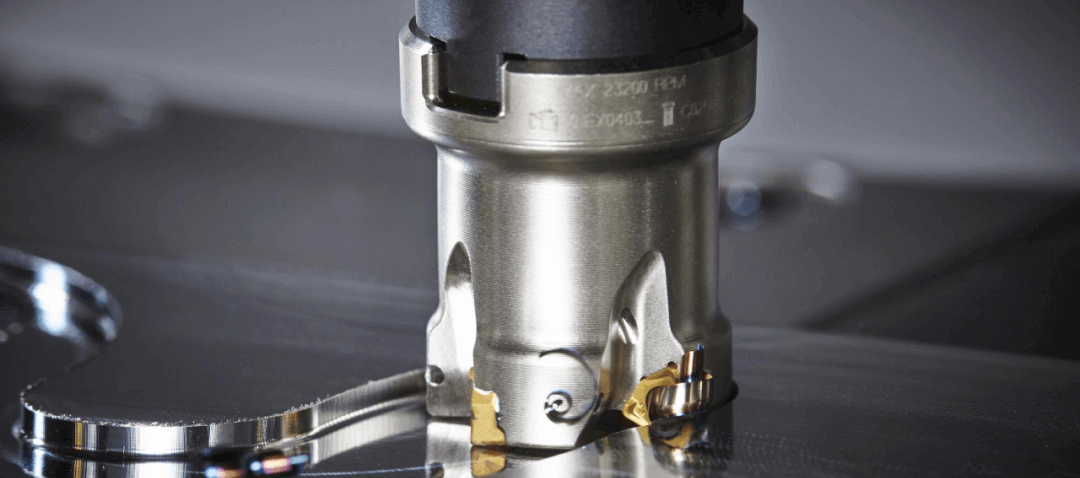
Part quality in on-demand CNC machining depends on three variables: machine capability, operator skill, and inspection equipment. Machines with higher spindle speeds and multi-axis capability can hold tighter tolerances,but only if the operator selects the correct toolpaths and feeds.
Lead time is influenced by material availability, part complexity, and current shop loading. A standard aluminum part may ship within 3–5 business days, while a stainless steel part with tight tolerances may require 7–10 days.
One hidden risk is surface finish. On-demand providers may optimize for speed, leaving visible tool marks or inconsistent finishes. Buyers should specify surface finish requirements (e.g., Ra 3.2 µm) in their technical drawings.
Another factor is secondary operations. If deburring, heat treatment, or anodizing is required, these steps can add 2–4 days to the lead time. The best approach is to discuss these requirements during the quoting phase.
04Material Options and Their Impact on Cost and Performance
Material selection directly affects part cost, machinability, and mechanical properties. Aluminum 6061 is the most common choice due to its low cost, good machinability, and corrosion resistance. It works well for prototyping and structural parts.
For higher strength or wear resistance, steel alloys like 4140 or 1018 are preferred. Stainless steel 304 and 316 are common for medical and food-grade applications, though they require slower cutting speeds and increase machining cost by 30–50% compared to aluminum.
Plastics such as Delrin (POM), Nylon 6/6, and PEEK are used when weight reduction, chemical resistance, or electrical insulation is critical. These materials are easier to machine but may require special tooling to avoid melting.
Below is a comparison of commonly used materials in on-demand CNC machining:
Selecting the right material requires balancing performance requirements with lead time and cost. If you are unsure, YPMFG can review your application and recommend the most suitable material based on mechanical load and environmental conditions.
05How to Evaluate an On-Demand CNC Machining Provider
Not all on-demand CNC services operate at the same quality level. Buyers should evaluate providers based on their equipment list, quality certifications, and engineering support.
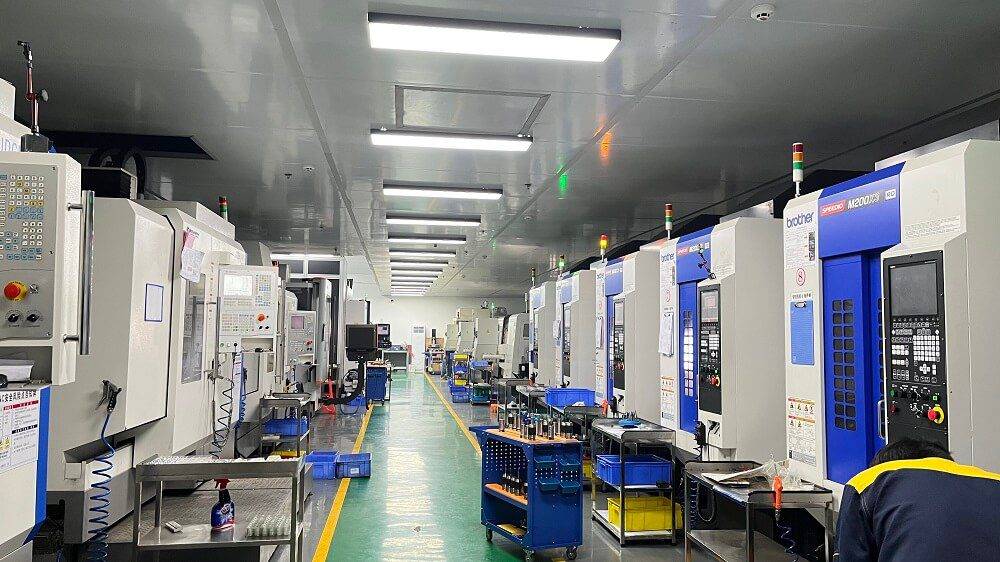
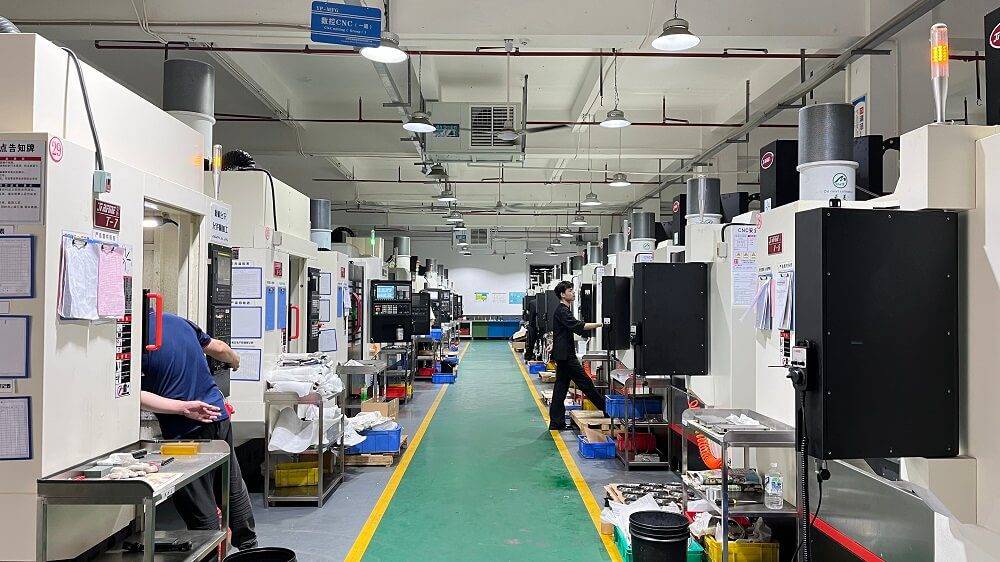
First, confirm that the provider uses modern CNC machines with at least 3-axis capability. For complex parts, 5-axis machining reduces setups and improves accuracy.
Second, check if the provider offers DFM feedback (Design for Manufacturability). A good provider will flag potential issues—such as thin walls, sharp internal corners, or deep cavities—before production begins.
Third, review their inspection process. Do they use CMM (Coordinate Measuring Machine) equipment? Do they provide inspection reports with first article inspection (FAI)? These documents are critical in regulated industries.
Finally, assess their communication speed. A provider that responds to technical questions within 24 hours is more likely to manage revisions and rush orders effectively.
06Questions Buyers Often Ask About On-Demand CNC Machining
What is the minimum order quantity for on-demand CNC machining?
Most providers, including YPMFG, accept orders for a single part. There is no minimum order quantity, which makes on-demand CNC ideal for prototyping and low-volume production.
How quickly can I get a quote?
Many providers offer instant quoting for parts that fit within standard machine envelopes and material options. For complex parts, a manual quote may take 1–2 business days.
What file formats do you accept?
Common formats include STEP, IGES, STL, and native CAD files. Most providers also accept 2D PDF drawings for critical dimensions and tolerances.
Can I request surface finishing after machining?
Yes. Options include anodizing, bead blasting, powder coating, and passivation. Discuss these during the quoting phase to avoid delays.
Do you provide material certificates?
Reputable providers can supply material certifications and inspection reports upon request. This is especially important for medical, aerospace, and defense applications.
07Choosing the Right On-Demand CNC Machining Partner
Selecting an on-demand CNC machining partner is not just about comparing prices. The right provider will help you avoid design errors, recommend cost-saving adjustments, and deliver parts that meet your specifications without repeated revisions.
Look for a partner that combines technical expertise with responsive communication. The ability to request engineering review, discuss material trade-offs, and receive clear DFM feedback can save weeks of back-and-forth.
If your project involves tight tolerances, custom materials, or fast delivery requirements, consider working with a provider that offers dedicated engineering support. YPMFG helps buyers evaluate part designs, select appropriate tolerances, and identify the most cost-effective production method. You can send your specifications for review and receive a detailed quote with lead time estimates before committing to production.
Making a better long-term decision starts with asking the right questions. Contact a provider that treats your part design with the same care as a production run.