
Quick answer:
CNC milled aluminum parts are produced by removing material from aluminum billets using computer-controlled milling machines. The choice of aluminum alloy, surface finish, and tolerances directly affects cost, lead time, and part performance. For most applications, 6061 aluminum offers the best balance of machinability, strength, and price. Selecting the right supplier means evaluating their engineering capabilities, quality control processes, and ability to handle your specific volume and tolerances.
YPMFG specializes in precision CNC aluminum milling services for components used across industrial, automotive, and electronics applications. Many buyers face the same challenge: aluminum is available in numerous alloys with different properties, and choosing the wrong one can lead to cost overruns, part failures, or unnecessary delays. This article breaks down what you need to know before placing an order.
Aluminum Alloys Commonly Used in CNC Milling
Not all aluminum is the same. The alloy you select determines how the material behaves during machining, the final strength of the part, and which surface treatments are compatible.
6061 aluminum is the most widely used alloy for general-purpose CNC milling. It machines easily, responds well to heat treatment, and accepts anodic oxidation finishes reliably. Most standard components fall into this category.
7075 aluminum provides significantly higher strength, making it suitable for structural and aerospace-grade parts. However, it is harder to machine and more expensive. It also has lower corrosion resistance than 6061.
5052 aluminum offers excellent formability and corrosion resistance. It is commonly used for enclosures and panels that require bending after machining. It does not respond to heat treatment, so strength comes from work hardening.
Your application should drive the alloy choice, not the other way around. A component that will see impact loads benefits from 7075. A cosmetic enclosure exposed to moisture works better in 5052. Contact YPMFG with your functional requirements to receive a material recommendation tailored to your design.
Key Design Factors That Affect Cost and Lead Time
Several design decisions have a direct impact on how much your CNC milled aluminum parts will cost and how quickly they can be produced. Understanding these factors helps you make informed trade-offs early.
Tolerance requirements are the biggest cost driver. Standard tolerances of ±0.1 mm are economical and achievable on most parts. Tighter tolerances of ±0.025 mm or below require additional setup time, slower cutting speeds, and often manual inspection, which increases both cost and lead time significantly.
Surface finish specifications matter less than many buyers expect. A standard mill finish requires no additional processing. Anodizing adds a surface treatment step and modest cost. Be specific about which finish you need rather than leaving it open-ended, as vague requirements lead to unnecessary processes being quoted.
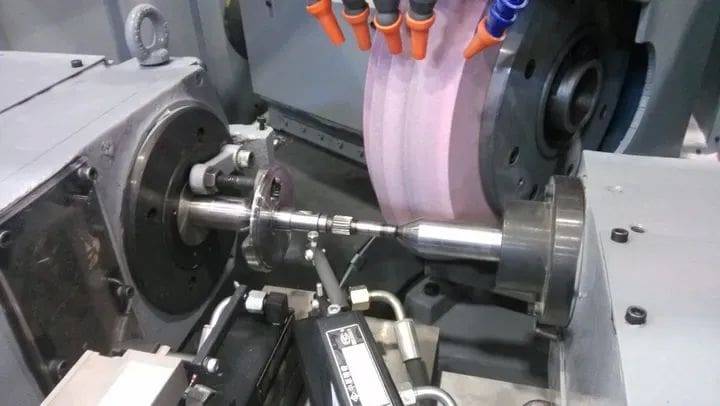
Part geometry and accessibility affect machining strategy. Deep cavities, thin walls, and undercuts require specialized tooling and longer cycle times. Simplifying features where possible can reduce cost without compromising function.
Production volume determines the most efficient manufacturing approach. Single prototypes and low volumes benefit from direct CNC milling. Higher volumes may justify custom fixtures or dedicated tooling to reduce per-unit cost.
Surface Finish Options for CNC Milled Aluminum
Surface finish serves both functional and aesthetic purposes. The option you choose should match the environment the part will operate in and any appearance requirements.
As-machined finish leaves visible tool marks from the cutting process. It is the lowest-cost option and suitable for internal components or parts that will be painted or anodized afterward.
Bead blasting creates a uniform matte texture across the surface. It removes tool marks and provides a consistent appearance. This finish is commonly specified for visible housings and consumer-facing components.
Anodizing is the most common treatment for aluminum. It creates a hard, corrosion-resistant oxide layer on the surface. Type II anodizing provides moderate protection and is available in multiple colors. Type III anodizing produces a thicker, harder coating for wear-resistant applications.
Painting or powder coating adds color and additional corrosion protection. These processes require a smooth underlying surface and are suitable when specific color matching is needed.
Polishing produces a mirror-like finish and is used for optical or decorative applications. It adds significant machining time and cost.
YPMFG can guide you toward the most appropriate finish for your application based on function, environment, and budget. Request an engineering review when submitting your specifications to ensure your surface finish choice aligns with your performance requirements.
Understanding Cost Drivers in Aluminum CNC Milling
Aluminum CNC milling costs vary based on several interrelated factors. Knowing what drives price helps you evaluate quotes accurately and avoid unexpected expenses.
Material cost represents a relatively small portion of the total price. Aluminum billet cost fluctuates with market conditions but typically accounts for less than 15 percent of the final part cost for most components.
Machining time is the primary cost component. Complex geometries, tight tolerances, and multiple setups all increase cycle time. A part that requires five axis machining will cost more than one produced on a three-axis mill.
Setup and programming costs are fixed per production run. For low-volume orders, these fixed costs represent a larger percentage of the per-unit price. Higher volumes spread these costs across more units.
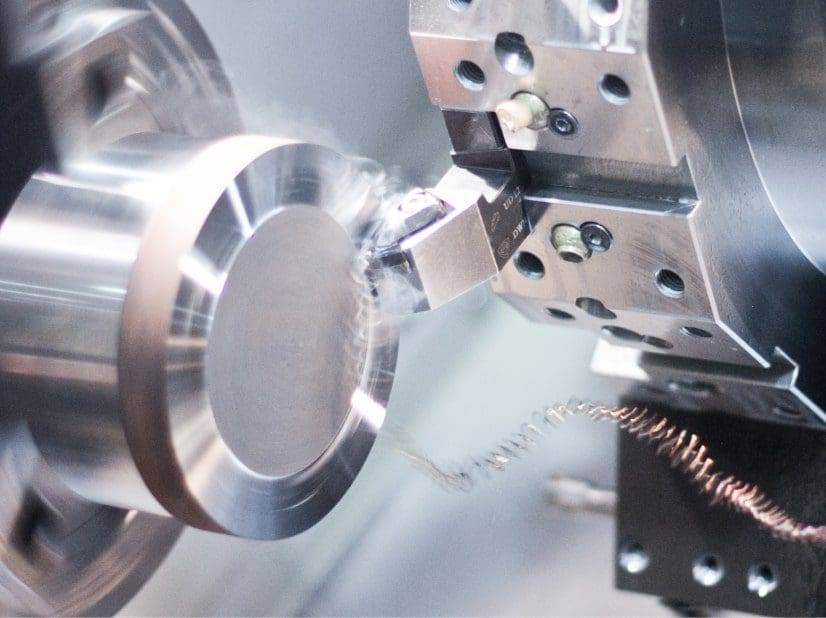
Secondary operations such as tapping, drilling, threading, and surface treatment add to the total cost. Each additional operation requires separate setup and handling.
Quality inspection requirements influence pricing. Basic visual inspection is standard. Coordinate measuring machine (CMM) inspection, first article inspection reports, and material traceability documents all add cost but provide greater assurance.
When comparing quotes, look beyond the unit price. Two suppliers may quote the same part at different prices because they include different levels of inspection, documentation, or process capability.
How to Select a Reliable CNC Milling Supplier
Choosing the right manufacturer for your CNC aluminum milling project requires evaluating several practical factors. Here is what to check before committing.
Request a detailed quote that breaks down material, machining, and secondary operation costs separately. A transparent quote indicates a mature quoting process and gives you visibility into where your money is going.
Ask about their quality control process. Do they perform in-process inspections? Do they provide inspection reports with dimensional data? Suppliers that track quality systematically reduce the risk of receiving non-conforming parts.
Evaluate their engineering support capability. A responsive engineering team can identify design issues before production begins and suggest modifications that maintain function while reducing cost or improving manufacturability.
Confirm their lead time commitments and whether they can accommodate rush orders when needed. Consistent on-time delivery is often more valuable than a low price with unreliable timing.
Check whether they offer sample testing for initial orders. Running a small batch before full production allows you to verify quality, dimensions, and surface finish before committing to larger quantities.
Common Mistakes When Ordering CNC Milled Aluminum Parts
Buyers frequently make avoidable errors during the specification and ordering process. Avoiding these mistakes saves time and prevents costly rework.
Specifying imprecise tolerances is the most common error. Writing ±0.05 mm everywhere sounds safe but forces the manufacturer to use expensive processes for features that do not actually require tight control. Specify tight tolerances only where function demands them.
Ignoring draft angles and tool access is another frequent issue. Deep slots without adequate clearance prevent standard end mills from reaching the bottom. Design features that tools can actually access, or discuss alternatives with your supplier early.
Requesting surface finishes without specifying the exact type leads to confusion. Anodizing comes in multiple types with different properties. Without clear specifications, the supplier must guess, and the result may not match your needs.
Neglecting to communicate functional requirements can result in an over-engineered part. If a component does not carry structural loads, using 7075 aluminum is unnecessary and expensive. 6061 may satisfy your requirements at a lower cost.
Practical Questions Buyers Ask About Aluminum CNC Milling
What is the typical lead time for CNC milled aluminum parts? Lead times vary based on part complexity and order volume. Simple parts in stock material can ship within five to ten business days. More complex components with tight tolerances or secondary treatments may require two to four weeks. Rush timelines are often available for urgent projects.
Can aluminum CNC milled parts be used in outdoor environments? Yes. Aluminum naturally forms a protective oxide layer, and anodizing enhances this property significantly. For harsh environments with salt exposure or chemical contact, Type III anodizing or additional coatings provide extended durability.
Is 6061 aluminum strong enough for structural applications? 6061-T6 has a tensile strength of approximately 310 MPa, which is sufficient for many structural applications including brackets, mounts, and frames. For higher-stress applications, 7075-T6 offers nearly double the strength. Verify your load requirements with an engineer.
What documentation should I expect with my order? Standard documentation includes a material certificate and a dimensional inspection report. Additional documents such as CMM reports, surface finish verification, and process records are available upon request for regulated industries.
How does volume pricing work for CNC milled aluminum? Unit price decreases as volume increases due to reduced per-part setup time and improved material utilization. However, the rate of price reduction typically diminishes at higher volumes since machining time remains the dominant cost factor.
Can existing designs be modified to reduce cost? Often yes. Common modifications include relaxing non-critical tolerances, eliminating unnecessary features, selecting a more machinable alloy, or combining multiple parts into a single design. An engineering review can identify these opportunities.
What surface treatments are compatible with anodized aluminum? Anodized parts can be painted or bonded with specialized adhesives. However, welding anodized aluminum is not recommended as the oxide layer interferes with the weld process. Plan surface treatments in the correct sequence.
How should I store and handle anodized aluminum parts? Anodized surfaces are durable but can be scratched during handling and shipping. Store parts in protective packaging and avoid stacking bare parts against each other. Clean with mild detergents and soft cloths to preserve the finish.
Need Help Selecting the Right CNC Milled Aluminum Solution
The right aluminum alloy, tolerance, and surface finish combination depends on your specific application requirements. Making the wrong choice early can result in parts that underperform or cost more than necessary.
YPMFG supports engineers and procurement teams through every stage of the process. You can send your specifications for a detailed review, request a formal quote with transparent cost breakdowns, or ask for an engineering evaluation of your design for manufacturability. We also offer sample production runs to validate quality before committing to larger orders.
Start by sharing your part drawings, material preferences, tolerance requirements, and intended application. Our team will provide a recommendation that balances performance, cost, and lead time.