
Quick Answer:
CNC machining parts manufacturers are specialized facilities that produce custom components using computer-controlled lathes, mills, and grinders. These providers transform raw metal or plastic stock into precision parts based on detailed technical drawings. When searching for the right partner, you must evaluate their machine capacity, material expertise,and quality control protocols. A reliable manufacturer will offer engineering feedback to optimize your design. They should also provide transparent pricing and clear documentation. This ensures your project stays on schedule and meets strict tolerance requirements without unexpected surprises.
Finding the right manufacturing partner is critical for the success of any mechanical engineering project. Many buyers struggle to distinguish between companies that simply cut metal and those that deliver true engineering value. Mistakes in selection can lead to costly delays, material waste, and parts that fail to meet performance standards. At YPMFG, we understand these challenges and help clients navigate the selection process with confidence.
Core Manufacturing Capabilities to Evaluate
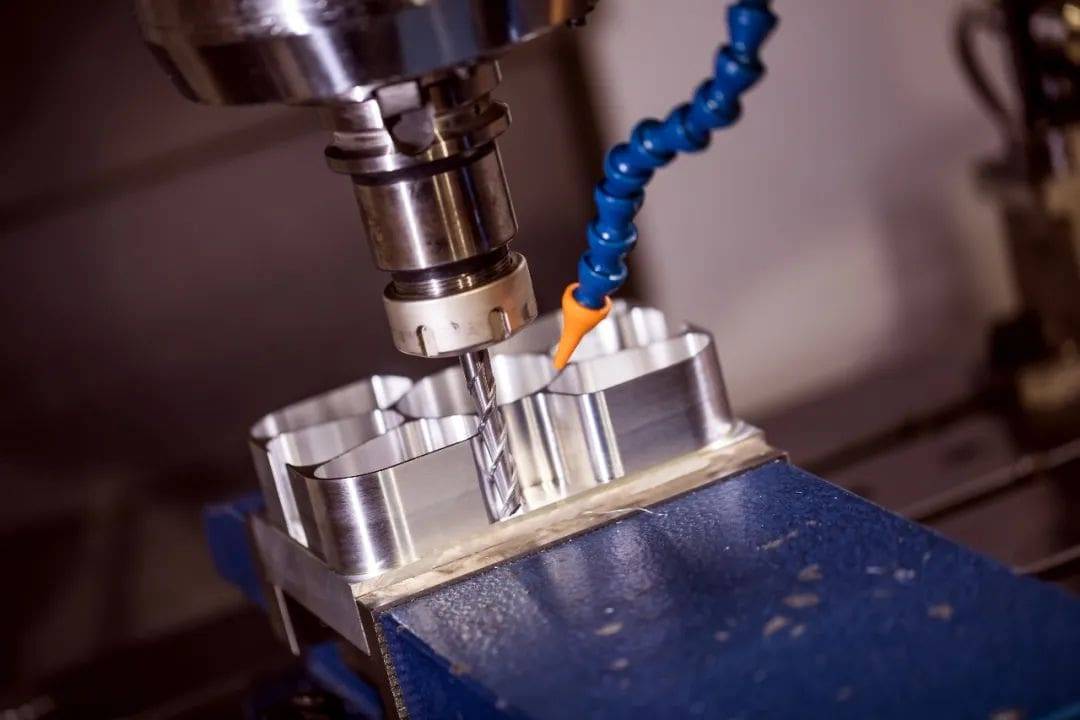
The foundation of any reliable manufacturer lies in their technical infrastructure. You need a partner equipped with multi-axis CNC machines capable of handling complex geometries. It is equally important that they have experience with a diverse range of metals and engineering plastics.
CNC milling and turning: These are essential for creating intricate shapes and precise holes.
Surface finishing: Options like anodizing and bead blasting add functional or aesthetic value.
Assembly services: Some shops offer kitting or sub-assembly to streamline your supply chain.
technical specifications
When reviewing a manufacturer’s profile, look for specifics regarding their machine tolerances. A provider that can consistently hold tight tolerances will save you significant time on rework. YPMFG supports projects requiring high-precision components across various demanding industries.
Evaluating Quality Control and Certifications
Quality assurance is non-negotiable for critical applications in aerospace, medical, and automotive sectors. A reputable manufacturer will have established protocols for inspecting every production batch. They should utilize coordinate measuring machines (CMM) and optical comparators to verify dimensions accurately.
First article inspection: This verifies that the initial production run matches your drawings perfectly.
In-process inspection: This helps catch errors early during the machining cycle.
Final inspection reports: These provide proof that parts meet all specified requirements.
inspection documentation
Always ask for sample certificates of conformity or material test reports. These documents prove that the raw stock meets your specific standards before production begins. YPMFG provides comprehensive documentation to ensure full traceability for every order we fulfill.
The Importance of Engineering Support
A truly valuable manufacturer acts as a technical partner rather than just an order taker. They should review your CAD files for manufacturability before providing a final quote. This process, known as Design for Manufacturing (DFM), can identify potential issues before they become expensive problems.
Design optimization: They may suggest changes to reduce cost or improve part strength.
Tooling recommendations: Advice on the best cutting tools for your specific material is invaluable.
Feasibility analysis: This confirms if your design can be produced within your budget constraints.
DFM review
Requesting a detailed DFM review can prevent costly mistakes during mass production. It demonstrates that the manufacturer is invested in the long-term success of your project. YPMFG offers thorough engineering evaluations to help refine your designs for optimal performance.

Understanding Pricing and Lead Times
Cost is a major factor, but the lowest price quote is not always the best choice. Transparent pricing helps you understand exactly what drives the cost of your parts. Key factors include material selection, part complexity, and the required quantity.
Setup fees: These cover the programming and machine preparation required for the job.
Unit price: This reflects the actual machining time and labor involved in production.
Tooling costs: These may apply if custom fixtures or special tools are needed.
cost evaluation
Be wary of quotes that seem unusually low compared to others. They may be cutting corners on quality control or using inferior materials. YPMFG provides detailed quotes that break down these costs clearly so you can make informed decisions.
Checklist for Choosing the Right Partner
Use the following checklist to compare potential manufacturers objectively. This ensures you evaluate the most critical aspects of their service.
comparison guide
A clear checklist helps you avoid subjective decisions based solely on price. It keeps the focus on measurable factors that directly affect your project success. YPMFG meets these criteria across all our service offerings.
Common Questions Buyers Ask
Here are answers to frequent questions regarding the selection of CNC machining suppliers.
How long does prototyping typically take?
Typical prototyping takes one to three weeks depending on part complexity. Rush services are often available for projects with urgent deadlines. YPMFG can expedite samples to meet tight project timelines.
Can you handle small batch production runs?
Yes, many manufacturers support both low-volume prototypes and high-volume production runs. This flexibility allows you to scale your project without changing suppliers. YPMFG accommodates orders ranging from single prototypes to full production batches.
What file formats do you accept for quotes?
Most shops accept STEP, IGES, and native CAD files like SolidWorks. Providing clear 2D drawings alongside 3D models is highly recommended. This reduces ambiguity and significantly speeds up the quoting process.
Do you offer finishing services in-house?
Many manufacturers provide in-house or partnered finishing options like anodizing. These services include powder coating and various heat treatments. Confirming these services early helps you plan your entire manufacturing workflow efficiently.
Need Help Selecting the Right Manufacturer?
Selecting a reliable CNC machining partner requires careful evaluation of their technical and operational strengths. By focusing on capabilities, quality systems, and engineering support, you can minimize risk and ensure project success. YPMFG is here to help you make an informed decision. Send us your specifications today for a free engineering review and competitive quote.


