
Quick answer:
CNC laser cutting services use focused light beams to cut metals, plastics, and composites with high precision. The process delivers clean edges, tight tolerances, and consistent repeatability across production runs. It is suitable for both prototyping and medium-to-high volume manufacturing when accuracy and surface quality matter.
Many buyers still treat unit price as the only decision factor. In reality, lead time, material waste,secondary finishing needs, and engineering support often determine total cost more than the quoted rate. Choosing the wrong service provider can result in scrapped parts, delayed schedules, or unnecessary post-processing expenses.
YPMFG supports projects that require tight dimensional control and reliable throughput. Buyers can send drawings for evaluation before committing to production.
How CNC Laser Cutting Works
CNC laser cutting relies on a computer-controlled system that directs a high-power beam onto the workpiece. The material melts, burns, or vaporizes along the programmed path. A assist gas—typically oxygen, nitrogen, or compressed air—blows away molten residue and shapes the kerf.
The main variables that affect outcome are laser type, power level, gas choice, focus position, and feed speed. Fiber lasers now dominate metal cutting due to their energy efficiency and low maintenance. CO₂ lasers remain relevant for certain non-metal applications and thick plate work.
Selecting appropriate parameters depends on material thickness, alloy composition, and required edge quality. Incorrect settings can cause dross attachment, excessive recast layers, or thermal distortion.
Common Laser Cutting Methods and When to Use Them
Buyers should understand the difference between cutting methods before requesting a quote. Each approach produces distinct edge characteristics and suits different materials.
Fiber laser cutting remains the most common industrial option for precision metal components. It delivers faster cutting speeds on thin to medium gauges compared with traditional CO₂ systems.
CO₂ lasers can still be the better choice when processing non-metallic materials that absorb infrared wavelengths efficiently. Hybrid approaches exist but are less common due to higher operational complexity.
Material Compatibility and Thickness Limits

Not every material cuts well with laser technology. Some alloys reflect laser energy and cause instability, while others deform under thermal stress.
Mild steel cuts cleanly with oxygen assist, producing an oxidized but uniform edge. Stainless steel typically requires nitrogen to prevent discoloration and maintain corrosion resistance. Aluminum reflects fiber laser light, so higher power and specialized parameters are necessary.
Brass and copper present similar reflection challenges. Titanium cuts well with nitrogen but demands strict gas purity to avoid contamination.
YPMFG evaluates material suitability during the engineering review phase. Send your material specification and thickness range so the team can confirm process viability before quoting.
Tolerances, Surface Finish, and Quality Expectations
Industry-standard CNC laser cutting services typically hold tolerances around ±0.1 mm for thin sheet and ±0.2 mm for plate up to 20 mm thickness. Actual capability depends on machine calibration, material condition, and part geometry.
Surface finish after laser cutting usually falls between Ra 3.2 and 12.5 μm, depending on material and gas selection. Nitrogen-cut stainless steel often achieves a brighter, oxide-free surface ready for further finishing or direct assembly.
Kerf width, or cut strip size, generally ranges from 0.1 to 0.3 mm for sheet metal. Designers should account for kerf loss when specifying tight internal corners or small features.
Request dimensional inspection reports and first-article samples when starting a new project. Reputable suppliers provide CMM data or calibrated measurement documentation alongside delivered parts.
Cost Factors That Influence Pricing
Several elements drive the final price beyond raw cutting time. Material cost, thickness, nested part layout, and setup complexity all factor into the quote.
Thinner materials cut faster and consume less gas, reducing per-part cost. Complex contours increase cycle time compared with simple straight lines or standard geometries. Secondary operations such as deburring, bending, or powder coating add separate charges.
Lead time also affects pricing. Expedited production often carries a premium, while planned scheduling allows more efficient nesting and machine utilization.
Ask whether the quoted price includes nesting optimization, tooling setup, and quality documentation. Hidden charges frequently appear when these items are excluded upfront.
What to Check Before Selecting a Laser Cutting Provider
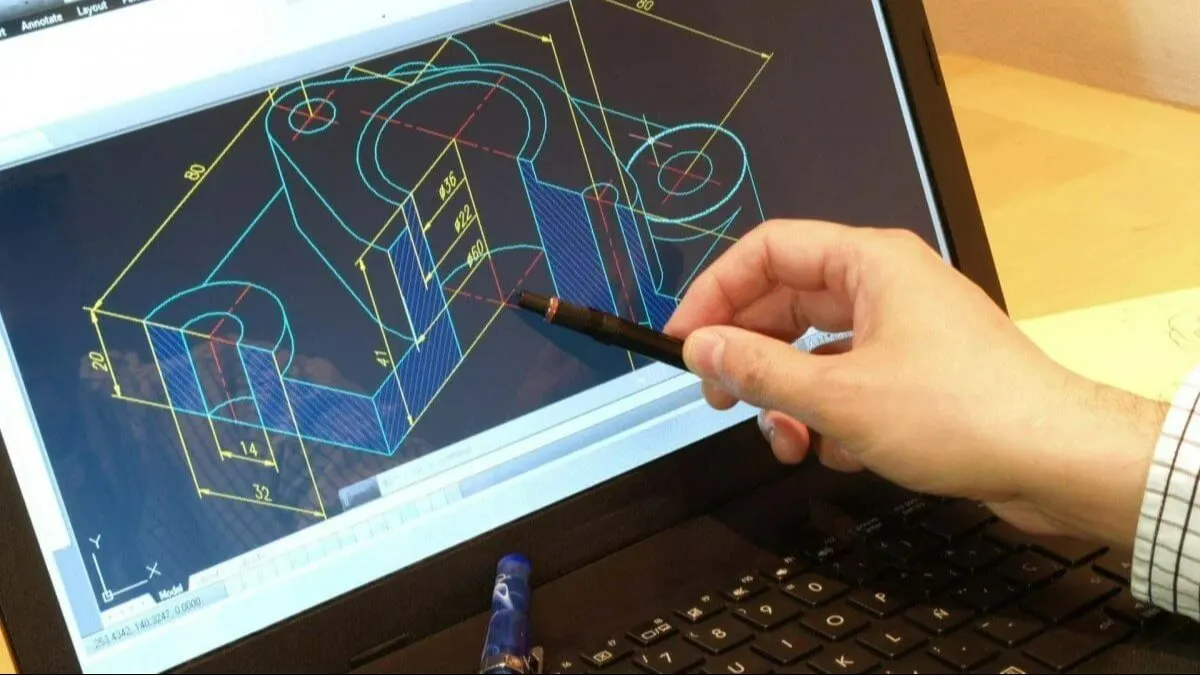
Buyers should evaluate technical capability, not just price. A provider with proper equipment and engineering support reduces risk across the project lifecycle.
Key criteria include machine capacity, material certifications, inspection procedures, and turnaround commitment. Ask about in-house design review, prototype capability, and traceability practices.
Ensure the supplier can handle your required thickness range and material types without excessive outsourcing. Partial subcontracting often introduces communication gaps and schedule uncertainty.
YPMFG offers engineering评估 and custom方案 support during the quoting stage. Share your drawings and target quantities so the team can confirm feasibility and recommend optimal process parameters.
Common Mistakes Buyers Make When Outsourcing Laser Cutting
Mistake number one is ignoring design for manufacturability. Sharp internal corners create stress concentrators and may not cut cleanly without kerf compensation or slight radii.
Another frequent error is requesting unrealistic tolerances on complex parts. Tight geometric specifications on large panels often lead to warpage or alignment issues during cutting.
Buyers sometimes overlook the need for part marking or identification. Laser cutting can include serial numbers, logos, or orientation marks directly on the part surface.
Failing to specify surface finish requirements can result in mismatched expectations. Clearly state whether the as-cut surface is acceptable or if additional finishing is required.
Questions Buyers Often Ask About CNC Laser Cutting Services
What is the typical lead time for a laser cutting order?
Lead time usually ranges from three to ten business days for standard quantities. Complex jobs or thick plate work may require additional scheduling. Rush orders are often available at a premium.
Can you cut exotic metals like titanium or Inconel?
Yes, provided the laser power and gas setup match the material requirements. Exotic alloys demand controlled environments and specific parameter tuning. Confirm material certification and process capability before ordering.
Do you provide first-article inspection reports?
Most qualified providers include dimensional verification with initial production runs. Request inspection documentation that matches your drawing callouts. Third-party testing may be arranged upon request.
Is CNC laser cutting suitable for mass production?
It works well for medium to high volumes when part geometry remains consistent. For very high quantities, alternative processes such as press braking or stamping may offer lower per-unit cost. Evaluate total cost including secondary operations.
What file formats do you accept for quotes?
Standard formats include STEP, IGES, DWG, and PDF with clear dimensions. Native CAD files help engineers interpret design intent accurately. Provide material specification and surface finish requirements with each submission.
How do you handle part protection during shipping?
Sensitive surfaces typically receive protective film, foam spacers, or corner guards. Large assemblies may require wooden crates or custom packaging. Specify handling requirements if parts will undergo further finishing after delivery.
Can you match existing parts from another supplier?
Reverse engineering is possible when original drawings are unavailable. Provide a representative sample and reference measurements so the team can recreate specifications accurately. Verify material grade and热处理状态 before reproducing.
Making a Better Long-Term Decision
Choosing the right laser cutting services involves balancing technical capability, documentation clarity, and commercial terms. Focus on providers who communicate openly about process limits and quality expectations.
Send your specifications to YPMFG for a technical review and competitive quote. The engineering team can identify potential design issues early and recommend adjustments that simplify production.
CNC machining components and precision parts manufacturing benefit from structured supplier evaluation. Request a custom proposal that includes nesting optimization, estimated cycle time, and inspection coverage.