Quick answer:
A reliable China CNC service provider delivers precision-manufactured parts at competitive costs while meeting your quality and delivery requirements. The key is verifying their capabilities, evaluating past project experience, and confirming communication standards before placing an order. Many buyers succeed by starting with a small test run to validate quality before scaling up production.
Working with a CNC machining service in China can significantly reduce your manufacturing costs. However, it also introduces risks around quality consistency, intellectual property protection, and supply chain transparency. Buyers who understand these challenges upfront tend to have smoother experiences and better long-term results.
This article walks you through what matters most when selecting a CNC parts manufacturer from China, covering capability assessment, cost factors, quality control, and practical next steps.
Understanding CNC Machining Capabilities
Not all CNC service providers in China offer the same range of manufacturing capabilities. Some shops specialize only in milling, while others handle turning, multi-axis machining, and secondary operations like surface treatment.
CNC machining capabilities vary widely across suppliers. A capable provider should demonstrate experience across multiple part geometries, material types, and tolerance ranges. Ask for specific examples of past projects rather than accepting general claims.
When evaluating a supplier, consider the following factors:
Machine tool inventory and age of equipment
Number of axes available (3-axis, 4-axis, or 5-axis)
Maximum workpiece size and weight capacity
Tolerance ranges they can consistently hold
Available CNC machining materials including aluminum, steel, titanium, and engineering plastics
In-house secondary operations such as anodizing, powder coating, and heat treatment
Each capability directly affects your ability to get parts manufactured correctly the first time. Missing capabilities often lead to additional outsourcing, longer lead times, and higher total costs.
YPMFG supports buyers who need a full spectrum of CNC machining services, from prototype evaluation to volume production. You can send your specifications to YPMFG for an engineering review and capability assessment.
Cost Factors in CNC Machining Services
Understanding how pricing works for CNC service manufacturing helps you evaluate quotes accurately. Several factors drive costs beyond the basic hourly machine rate.
Part geometry plays a major role. Complex shapes with tight tolerances require more setup time, slower cutting speeds, and additional quality inspection. Simple geometries typically cost less per unit.
Material selection also impacts pricing. Common materials like 6061 aluminum are widely available and relatively affordable. Specialty alloys and engineering plastics often carry higher material costs and may require adjusted machining parameters.
Volume significantly influences unit pricing. Prototype quantities usually carry higher per-part costs due to setup and programming time. Production volumes benefit from optimized processes and amortized setup costs.
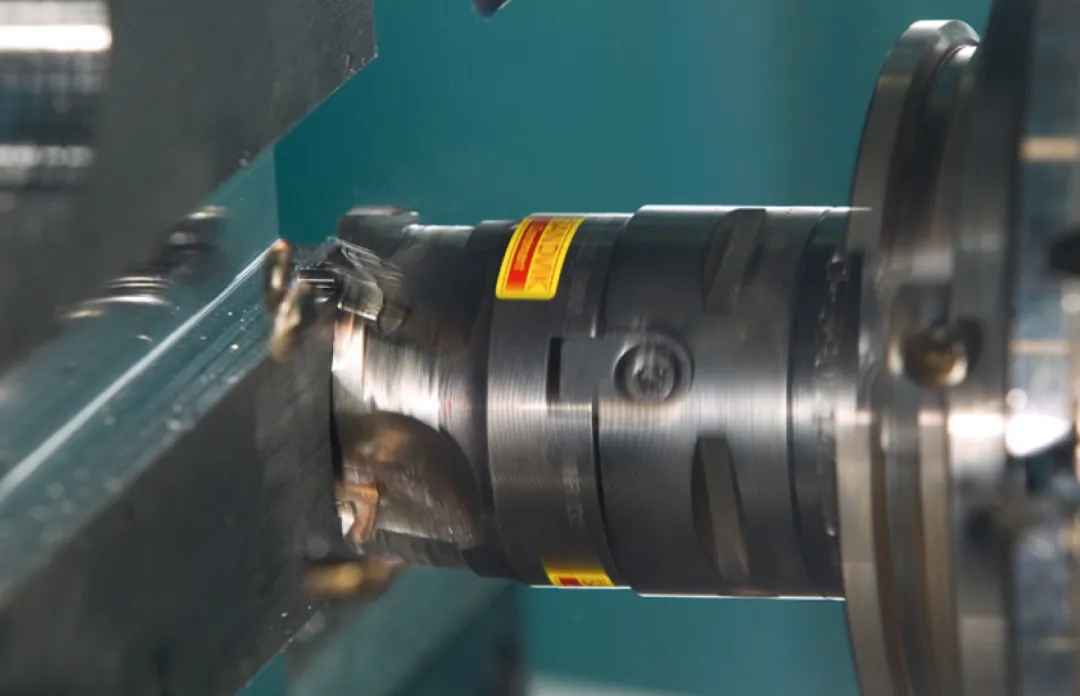
Additional services such as CNC milling services, threading, tapping, and surface finishing add to the final price. Make sure your quote includes all required operations before comparing offers.
Other cost drivers include:
Lead time requirements and expedited scheduling
Quality inspection level and documentation
Shipping method and destination
Tooling or fixture requirements
Request detailed quotes that break down these elements. This makes comparison between suppliers straightforward and reveals hidden cost differences.
Quality Control and Standards
Quality consistency is often the biggest concern when sourcing from overseas manufacturers. Without proper quality control measures, even capable shops can produce parts that fail to meet your specifications.
Ask potential suppliers about their quality management systems. Established providers typically hold ISO 9001 certification and maintain documented procedures for incoming inspection, in-process control, and final verification.
Key quality control elements to verify:
First article inspection reports and measurement documentation
Statistical process control practices
Equipment calibration records
Incoming material traceability
Final inspection criteria and acceptance standards
Request sample inspection reports from previous projects. Real documentation gives you a clearer picture of a supplier’s actual quality practices than verbal assurances.
For critical applications, consider requiring a first article inspection report before full production begins. This report verifies that the manufacturing process can consistently produce parts within specification.
Intellectual Property and Data Security
Protecting your designs and technical data is essential when working with international manufacturers. While most reputable shops treat IP protection seriously, you should take proactive steps to safeguard your information.
Sign a non-disclosure agreement before sharing detailed CAD files or drawings. This creates a legal basis for protecting your intellectual property and sets clear expectations.
Limit file sharing to what is necessary for each development stage. Share detailed models only after trust is established through initial interactions and sample orders.
Use secure file transfer methods and avoid sending sensitive files through unencrypted channels. Some buyers designate a single point of contact to manage document distribution internally.
Ask your supplier about their data retention and destruction policies. Knowing how they handle your files after project completion adds an extra layer of protection.
Selecting the Right CNC Partner
Making the right choice between potential suppliers requires systematic evaluation. Consider using a comparison framework that weighs capabilities against your specific project needs.
A supplier that scores well across these criteria reduces risk and builds a foundation for a long-term partnership. No single factor should dominate your decision, but poor performance in any area is a warning sign.
You can share your requirements with YPMFG for a free engineering assessment. They help buyers compare options and identify the best fit for their application.
Practical Questions Buyers Often Ask
What is the typical lead time for CNC machined parts from China?
Lead times vary depending on part complexity and order volume. Prototypes often take 5 to 10 business days. Production orders may require 15 to 30 business days. Expedited scheduling is usually available at additional cost.
How do I verify a CNC supplier’s quality before placing a large order?
Request a sample part or small production run first. Review inspection reports and measure received parts against your specifications. Visit their facility if possible, or ask for a live video walkthrough of their operations.
What materials are commonly used in CNC machining services?
Standard materials include 6061 and 7075 aluminum, stainless steel grades such as 303 and 316, mild steels, titanium alloys, and engineering plastics like PEEK, Delrin, and nylon. Material selection depends on your functional requirements.
Are there hidden costs I should watch for when sourcing CNC parts?
Common hidden costs include shipping and import duties, additional surface finishing charges, rework due to quality issues, and fees for expedited delivery. Always request a complete quote that covers all expected charges upfront.
How important is factory location when choosing a CNC service provider?
Suppliers located in manufacturing hubs like Dongguan, Shenzhen, and Suzhou typically have mature supply chains and experienced workforces. Proximity to raw material suppliers and logistics networks can also improve lead times and pricing.
Making a Better Long-Term Decision
Choosing a China CNC service provider is not just about finding the lowest price. It is about finding a partner who can deliver consistent quality, communicate clearly, and support your project from start to finish.
Start by clarifying your requirements. Then evaluate suppliers against objective criteria rather than assumptions. A small investment in due diligence now prevents costly mistakes later.
If you need help evaluating options or reviewing your specifications, you can reach out to YPMFG. They offer free engineering evaluations and can provide quotes with detailed capability explanations to support your sourcing decision.