Quick answer:
CNC programming languages are the codes that tell machine tools exactly how to move, cut, and shape materials. The most widely used standard is G-code, which powers nearly all CNC machines globally. Other major systems include Fanuc,Haas, Siemens, and Heidenhain programming languages. Each has different syntax styles, but all serve the same core purpose: translating engineering drawings into precise machine instructions. When working with a CNC manufacturer, knowing these languages helps you communicate clearly, avoid errors, and ensure your parts are produced exactly to specification.
If you are sourcing machined parts, one of the most important things to understand is how your designs become physical components. CNC machines do not think on their own. They follow precise code written in specific programming languages. For procurement managers, engineers, and product developers, this knowledge is not just technical detail. It directly affects communication with your manufacturer, part quality, and project timelines.
At YPMFG, we regularly help buyers bridge the gap between design intent and CNC production. Understanding CNC programming languages is one of the simplest ways to improve that collaboration from the start.
What Are CNC Programming Languages?
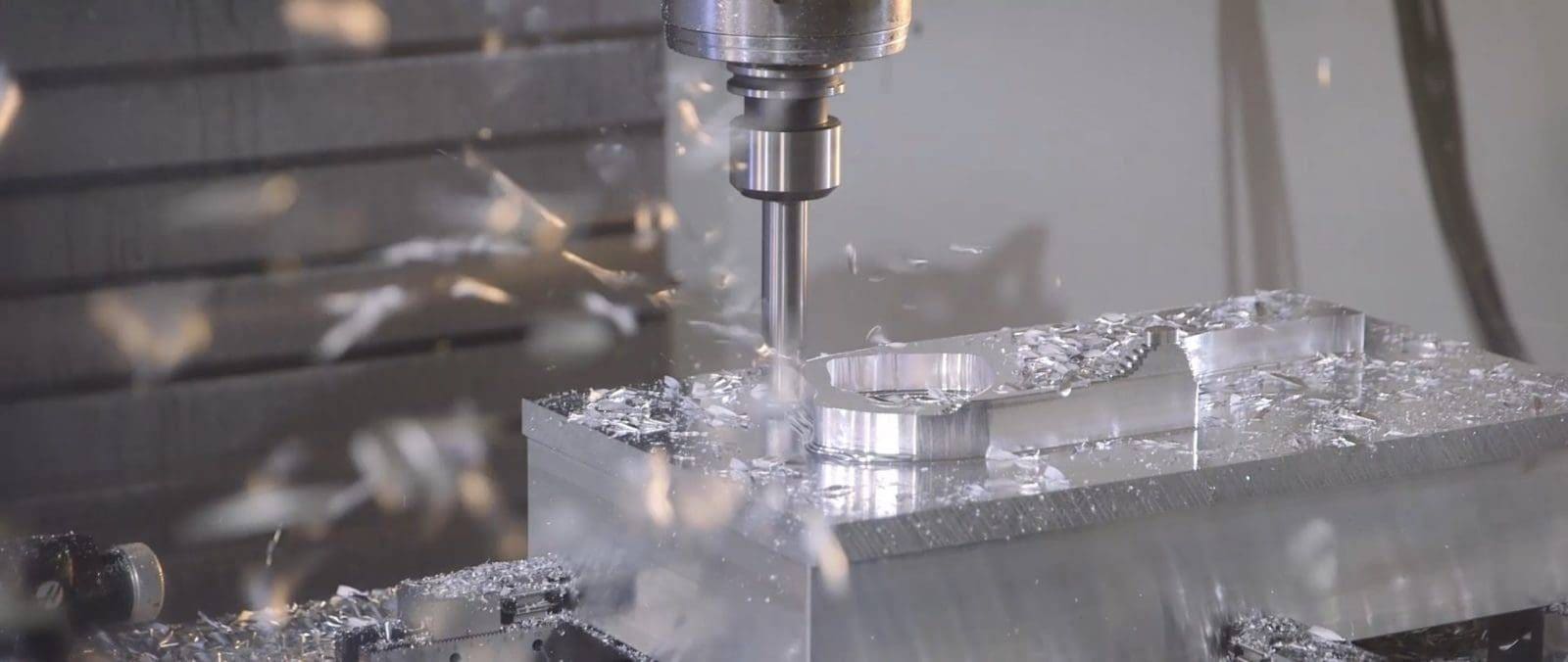
CNC programming languages are specialized sets of instructions that control automated machine tools. These include mills, lathes, and multi-axis machining centers. The code tells the machine where to move, how fast to travel, which tool to use, and how deep to cut. Without this code, CNC equipment cannot function.
Modern CNC programming relies on two main categories: manual coding and CAM software. Manual programming involves writing G-code directly. Computer-Aided Manufacturing, or CAM, software generates the code automatically from 3D models. Most manufacturers use both approaches depending on the complexity of the part.
The universal foundation across all these languages is ISO standard G-code. This standard was developed decades ago and remains the backbone of CNC machining worldwide. However, individual machine builders often add their own variations and extensions on top of the base standard.
Major CNC Programming Languages Used in Industry
Several programming language systems dominate the CNC machining world. Each has its own ecosystem, syntax rules, and typical use cases. Knowing the differences helps you select the right manufacturer for your project.
G-code (ISO 6983 Standard)
G-code is the international standard for CNC programming. It uses alphanumeric commands like G01 for linear movement and M03 to start the spindle. Nearly every CNC machine in the world can interpret basic G-code. It is the most fundamental language a buyer should understand.
Fanuc CNC Programming
Fanuc is one of the most common CNC controller brands globally. Fanuc programming extends standard G-code with additional macros, subroutines, and proprietary features. Many machine shops in Asia and North America run Fanuc systems. Parts programmed on Fanuc controllers are highly compatible across different facilities.
Siemens Sinumerik Programming
Siemens controllers use a language called SINUMERIK. This system is popular in European machining centers and high-precision industries. Siemens programming offers advanced features like cycle definitions and parametric programming. It is often preferred for complex aerospace and medical components.

Haas CNC Programming
Haas machines use a variant of Fanuc-style G-code with some Haas-specific enhancements. Haas is extremely common in North American job shops. The programming is relatively straightforward, which makes it accessible for smaller manufacturers. If your supplier uses Haas equipment, your programs will likely transfer easily.
Heidenhain Programming
Heidenhain controllers are known for their conversational programming style. This means operators can type instructions in a more readable format instead of writing pure code. Heidenhain is widely used in German and European precision machining. It is especially common for mold and die production.
Mazak IRCC and Mazatrol
Mazak machines often use Mazatrol, a conversational-style programming system. This allows operators to input parameters directly through the control panel. Mazak is popular among medium to large production facilities. The system reduces the need for traditional G-code writing.
How Programming Languages Affect Your Manufacturing Project
The choice of programming language at your supplier’s facility has real consequences for your order. It influences how you prepare your design files, how quickly a quote can be generated, and whether your part can be produced without modification.
When you send a CAD model to a manufacturer, they must convert it into machine code. If your supplier primarily uses Fanuc systems and your design requires features that are difficult to program in standard G-code, they may need additional time or tooling adjustments. This is why understanding your supplier’s programming capabilities matters before placing an order.
Manufacturers who support multiple programming languages offer greater flexibility. YPMFG works with various CNC controller systems, which means we can adapt our programming approach to match your project requirements. This reduces turnaround time and minimizes the risk of programming errors during production.
What Buyers Should Know About CNC Programming Standards
You do not need to become an expert programmer to work effectively with a CNC manufacturer. However, understanding the basics gives you significant advantages during the sourcing process. It helps you ask better questions, evaluate supplier capabilities, and avoid costly misunderstandings.
Design for manufacturability matters more than code format.
A well-designed part that follows machining best practices will produce better results regardless of which programming language is used. Features like deep cavities, thin walls, and tight tolerances require specific programming strategies. Work with your manufacturer early to align your design with their capabilities.
Always confirm the programming format you need.
Some projects require specific code formats for compliance, documentation, or future production runs. If you need the actual G-code program files, request them upfront. Not all manufacturers provide these files by default, and preparing them may take additional time.

Clarify how CAM software is used.
Ask your supplier which CAM systems they use and whether they can accommodate software changes. Most manufacturers use industry-standard tools like Mastercam, Siemens NX, or PowerMill. If your company has internal standards for CAM output, confirm compatibility before production begins.
Comparison of Common CNC Programming Systems
Each system has strengths suited to different applications. The table above shows general patterns. Your specific project requirements will determine which system is most appropriate.
How to Prepare Your Design for CNC Programming Success
Clear design preparation significantly reduces programming complications and production delays. Here are the key steps to follow before sending your project to a manufacturer.
Provide complete dimensional drawings.
Your drawing should include all critical dimensions, tolerances, surface finish requirements, and material specifications. Ambiguous drawings lead to programming assumptions that may not match your intent.
Specify tolerance zones clearly.
Not all features require the same tolerance level. Indicate which surfaces and dimensions are critical. This allows the programmer to allocate machining time and tool paths efficiently without over-processing non-critical areas.
Communicate material preferences.
Different materials behave differently during cutting. Aluminum, stainless steel, titanium, and engineered plastics each require distinct programming parameters. Tell your manufacturer the exact material grade you plan to use or request their recommendation.
Share any special requirements.
If your part needs specific threading, tapping, knurling, or secondary operations, include this in your request. These operations require additional programming steps and tool changes that affect the overall production timeline.
Questions Buyers Often Ask About CNC Programming
Which programming language is the easiest to learn?
G-code is generally considered the most accessible entry point. Its alphanumeric structure follows logical patterns. However, most modern buyers rely on CAM software rather than writing code manually.
Can a manufacturer change my program if needed?
Yes. Reputable manufacturers can modify existing programs to accommodate design changes, material substitutions, or tolerance adjustments. This flexibility is one of the reasons to choose an experienced supplier.
Do I need to provide G-code when ordering parts?
No. In most cases, you only need to provide CAD files and engineering drawings. The manufacturer’s programming team will generate the necessary code. You can request the final program files if your project requires them.
What happens if my part requires multiple programming systems?
Some complex parts combine operations that span different controller systems. An experienced manufacturer will integrate these seamlessly within a single production workflow. YPMFG supports multi-system programming to handle such requirements.
Is there a standard format for sending programming files?
Common file formats include .nc, .tap, and .iso for G-code programs. CAM-generated files often come as .hpgl or proprietary formats from specific software. Confirm the accepted format with your manufacturer before transmission.
Choosing the Right Programming Approach for Your CNC Project
Understanding CNC programming languages is not about memorizing code. It is about knowing how your designs will be translated into physical parts and ensuring that translation happens accurately and efficiently. The right programming approach depends on your part geometry, material, tolerance requirements, and production volume.
At YPMFG, we guide buyers through every step of this process. From initial design review to final programming and production, we ensure your project is set up for success. We support CNC machining programs across multiple controller platforms and can adapt our programming workflow to fit your specific needs.
If you are preparing a new project or evaluating whether your current design is ready for production, consider requesting an engineering evaluation from our team. You can also send your CAD files and specifications for a preliminary review. We will help you understand what programming considerations apply to your part and what adjustments, if any, will improve manufacturability.
Making informed decisions about CNC programming standards early in your sourcing process saves time, reduces errors, and leads to better final results. Whether you are prototyping a single component or planning high-volume CNC production, the foundation always starts with clear communication between design and programming.