
Quick answer:
CNC turning is a subtractive machining process where the workpiece rotates while a stationary cutting tool shapes it into cylindrical components such as shafts, bushings, sleeves, and pins. It remains the most efficient method for producing high volumes of rotationally symmetric parts with consistent part tolerances and repeatable quality. Buyers should consider it whenever their design calls for round geometry, tight surface finish requirements, or medium to high production runs.
If you are sourcing CNC turned parts for an industrial project, you likely face the same pressure: balancing cost, lead time, and dimensional accuracy without compromising performance. Many engineers and procurement specialists discover too late that a part designed for turning was not optimized for the process, which creates rework, delays, or unnecessary expense. Understanding how CNC lathe turning works and what drives its cost is the fastest way to avoid those problems.
At YPMFG, we work with buyers across mechanical, automotive, medical, and industrial equipment sectors who need precise cylindrical components. This guide covers the practical decisions that matter most when evaluating CNC turning services for your next project.
What Is CNC Turning and When Should You Use It
CNC turning uses a computer-controlled lathe to remove material from a rotating workpiece. The cutting tool moves along one or more axes while the part spins, producing features such as external diameters, internal bores, tapers, threads, grooves, and facing surfaces.
The process is most suitable for parts with rotational symmetry. If your component is primarily cylindrical or disc shaped, turning is usually the fastest and most cost-effective route.
It is less ideal for parts dominated by complex prismatic features, deep irregular pockets, or large flat planes that are better served by CNC milling or multi-axis machining centers.
Types of CNC Turning Processes
Different turning methods suit different part geometries and production volumes. Selecting the right type affects both quality and unit cost.
Standard CNC lathe turning handles most cylindrical parts through facing, OD turning, ID boring, drilling, and threading in a single setup. It is the most common and versatile option for general industrial components.
Swiss-type turning guides the bar stock through a bushing while the cutting tools operate near the support point. This method excels at producing long, slender, and small-diameter parts with high precision and minimal deflection.
Multi-spindle turning machines use several spindles working simultaneously, which significantly reduces cycle time for high-volume production of smaller parts.
The table above shows that process selection depends on your part geometry and quantity, not just on price. Swiss-type turning is not always necessary, and using it for a simple bushing may increase cost without improving performance.
What Drives CNC Turning Cost
Several factors determine the final price of CNC turned parts. Understanding them helps you make smarter specification choices before requesting a quote.

Material cost is the most visible factor. Aluminum 6061 is widely used because it machines efficiently and costs less than stainless steel or titanium. Material choice should match your functional requirements rather than defaulting to the cheapest option.
Part tolerances directly affect machining time and scrap risk. Standard tolerances around ±0.025 mm to ±0.05 mm are economical. Tighter tolerances such as ±0.01 mm or better require additional passes, specialized tooling, and closer inspection, which raises cost.
Surface finish requirements also influence pricing. A standard Ra 3.2 μm finish is typically included in the base price. Finer finishes like Ra 1.6 μm or Ra 0.8 μm often require additional grinding, polishing, or additional turning passes.
Other cost drivers include part complexity, length of cut, secondary operations, and order quantity. Simple geometries with fewer setups always cost less than parts requiring multiple operations or custom tooling.
How to Choose the Right CNC Turning Approach
Choosing the correct turning process starts with a clear understanding of your part requirements. The following criteria will help you make a practical decision.
Evaluate your part geometry first. Cylindrical and rotationally symmetric parts are natural candidates for turning. Parts with heavy non-round features may need a combined turning and milling approach or a different primary process.
Consider your material selection next. Aluminum 6061 and brass C360 machine easily and produce good surface quality. Stainless steel 303 and 316 are more challenging and require adjusted cutting parameters. Exotic materials such as titanium or Inconel need specialized tooling and slower feed rates.
Check your tolerance and surface finish needs early. Over-specifying tolerance requirements is one of the most common reasons buyers pay more than necessary. Only request tight tolerances where they affect assembly or function.
Assess your production volume. CNC turning becomes more cost-effective as quantity increases because setup time is amortized across more parts. For very low volumes, prototype CNC turning may still be viable, but per-unit cost will be higher.
You can send your drawings and specifications to YPMFG for an engineering review. We can recommend the most suitable turning method and point out any design features that may affect cost or manufacturability.
Common Mistakes When Sourcing CNC Turned Parts
Buyers often encounter avoidable issues during the sourcing process. Recognizing these mistakes early can save time and prevent quality disputes.
One frequent mistake is specifying unrealistic tolerances without considering functional necessity. A tolerance of ±0.005 mm may look impressive, but it is rarely required for most structural or housing components and will increase cost significantly.
Another common error is providing incomplete documentation. Missing material specifications, unclear surface finish requirements,or ambiguous callouts force manufacturers to make assumptions. This increases the risk of producing parts that do not match your intent.
Some buyers focus exclusively on unit price while ignoring supplier capability. A low price may reflect inadequate equipment, poor quality control, or limited experience with your material or tolerance range.
Other mistakes include not planning for secondary operations such as threading, knurling, or heat treatment, and failing to define inspection criteria before production begins.
Key Specifications to Define Before Requesting a Quote
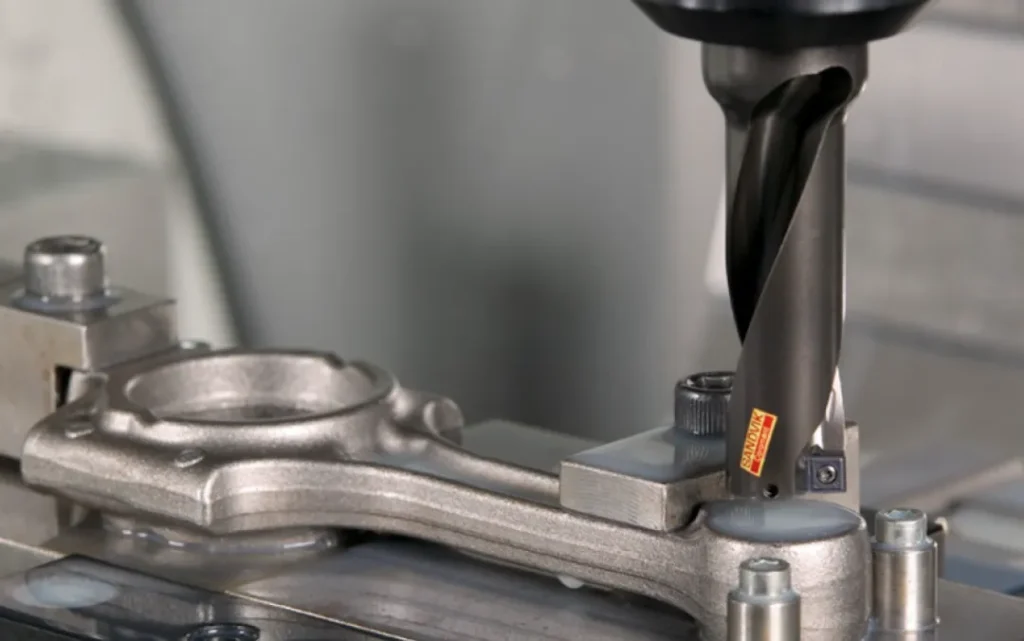
Clear specifications reduce back-and-forth communication and help suppliers provide accurate pricing and lead time estimates.
Define your material specification precisely. Include the material grade, condition, and any special requirements such as heat treatment or corrosion resistance. Vague material descriptions lead to incorrect quotes and potential material substitutions.
Specify your tolerance requirements with clear callouts on the drawing. Distinguish between critical tolerances that affect fit and function and general tolerances that can remain looser. This helps the manufacturer prioritize machining steps appropriately.
State your surface finish requirements using standard Ra values. Indicate which surfaces require special finishes and which can accept standard machined texture. This prevents unnecessary finishing operations on non-critical areas.
Include any secondary operation needs such as thread cutting, tapping, drilling cross-holes, knurling, or surface treatments like anodizing or passivation. Listing these upfront ensures the quote reflects the complete scope of work.
Material Guide for CNC Turning
Material selection affects machinability, cost, mechanical properties, and final part performance. The most commonly used materials in CNC turning services include the following.
Aluminum 6061 offers excellent machinability, good strength, and natural corrosion resistance. It is the default choice for many general-purpose industrial components and is widely available in bar and plate form.
Aluminum 7075 provides higher strength than 6061 but machines slightly less readily. It is commonly used in aerospace and high-stress applications where weight savings are important.
Stainless steel 303 is the most machinable stainless grade and is suitable for general corrosion-resistant components. Stainless steel 316 offers superior corrosion resistance but requires more careful cutting parameters and tool selection.
Brass C360 machines exceptionally well and produces clean surfaces with minimal tool wear. It is often selected for fittings, valves, and decorative components where appearance matters.
Copper and bronze alloys are used for electrical conductivity, bearing surfaces, and marine applications. They require different tool geometries and cutting speeds compared to steel and aluminum.
Surface Finish Options for CNC Turned Parts
Surface finish influences friction, wear resistance, appearance, and compatibility with coatings or seals. The right finish depends on how the part will function in your assembly.
A standard machined surface finish from CNC turning typically achieves Ra 3.2 μm to Ra 6.3 μm. This range is sufficient for most structural and housing components where appearance is not critical.
Ra 1.6 μm is commonly specified for sealing surfaces, bearing seats, and hydraulic components where smoothness affects performance. Achieving this finish may require additional finishing passes or secondary operations.
Ra 0.8 μm and finer finishes are used for precision hydraulic cylinders, optical mounts, and medical components. These finishes often require grinding, polishing, or specialized turning strategies.
Surface treatments such as anodizing, plating, passivation, and black oxide can be applied after turning to enhance corrosion resistance, hardness, or appearance. These should be specified early so the manufacturer can account for them in the process plan.
Common Questions Buyers Ask About CNC Turning
What is the difference between CNC turning and CNC milling?
CNC turning rotates the workpiece while the cutting tool moves linearly, making it ideal for cylindrical parts. CNC milling rotates the cutting tool against a stationary or multi-axis workpiece, making it better suited for prismatic and complex 3D geometries. Many parts require both processes.
How long does standard CNC turning take?
Lead time typically ranges from 5 to 15 working days for most orders, depending on part complexity, quantity, material availability, and surface finish requirements. Expedited production may be available for urgent projects.
Which material is best for CNC turned parts?
The best material depends on your application. Aluminum 6061 is the most versatile choice for general use. Stainless steel is better for corrosion resistance. Brass is ideal for machinability and appearance. Your engineer should select based on strength, weight, environment, and cost.
Can you produce prototype quantities with CNC turning?
Yes. CNC turning is well suited for low-volume and prototype production because setup changes are relatively quick compared to casting or forging. YPMFG supports projects that range from single prototypes to full production runs.
What documentation should you request from your turning supplier?
Request a first article inspection report, material certification, dimensional inspection data, and a process description. These documents verify that the parts meet your specifications and provide traceability for quality audits.
Do CNC turned parts require secondary operations?
Many parts do. Common secondary operations include thread cutting, drilling, tapping, knurling, heat treatment, and surface finishing. Specify these requirements on your drawing so the supplier can plan the complete workflow.
Need Help Selecting the Right CNC Turning Solution
Proper CNC turning selection comes down to matching your part geometry, material, tolerance, and volume to the right process. Over-specifying tolerances, choosing the wrong material, or ignoring secondary operations are the most common sources of unnecessary cost and delay.
YPMFG provides engineering evaluation, custom CNC turning solutions, and detailed quotation support for buyers who want a clear technical assessment before committing to production. You can send your specifications to YPMFG for review, and our team will help you identify the most efficient turning approach for your application.