Quick answer:
An aerospace CNC machine is a high-precision computer-controlled machining system built to produce aircraft-grade components from metals like aluminum, titanium, and Inconel. These machines differ from standard CNC equipment in rigidity, accuracy, spindle speed, and compliance with aviation standards. If you are sourcing parts rather than buying the machine itself, the real question is whether your supplier operates equipment capable of holding tight tolerances and documenting traceability. Buyers should evaluate machine capability, material compatibility, and quality systems before committing to a production partner.
Aerospace components demand accuracy measured in microns, materials that resist extreme heat, and documentation that proves every step of production. Many procurement teams and engineers struggle to assess whether a supplier’s equipment can actually meet those demands. This guide explains what an aerospace CNC machine is, what capabilities matter, and how to evaluate a machining partner without guessing.
Table of Contents
What Is an Aerospace CNC Machine?
Key Capabilities That Define Aerospace-Grade Machining
Common Materials Machined for Aerospace Applications
Aerospace CNC Machine vs. Standard CNC Machine
How to Evaluate a Supplier’s Aerospace Machining Capability
Questions Buyers Often Ask About Aerospace CNC Machining
Choosing the Right Machining Partner for Your Application
What Is an Aerospace CNC Machine?
An aerospace CNC machine is a computer numerical control system engineered for manufacturing flight-critical and structural components. These machines typically feature higher spindle speeds, better thermal stability, and more rigid frames than general-purpose equipment.
The purpose is straightforward: produce parts that hold tight tolerances across large production runs while maintaining repeatability. Aerospace parts often require tolerances of ±0.005 mm or tighter, depending on the component and its function.
Aerospace machining also demands surface finish quality that prevents fatigue cracks and stress concentrations. That combination of accuracy, finish, and repeatability is what separates aerospace-grade work from standard machining.
Key Capabilities That Define Aerospace-Grade Machining
Not every CNC machine qualifies for aerospace work. Several technical capabilities determine whether a machine—or a machine shop—can handle aviation components.
Spindle speed and power matter because aerospace alloys are difficult to cut. Higher RPMs allow finer finishes, while torque at low speeds helps with tough materials like titanium.
Machine rigidity affects vibration during cutting. Excessive vibration causes chatter marks, poor surface finish, and accelerated tool wear. Rigid machines hold tolerances more consistently.
Thermal compensation is another critical feature. Machining generates heat, which expands metal and changes part dimensions. Machines with thermal control systems maintain accuracy over long runs.
Multi-axis capability is often required. Five-axis machines allow complex geometries in a single setup, reducing errors from repositioning and improving overall accuracy.
Probing and in-process inspection systems verify dimensions during machining. This reduces scrap and ensures parts meet specifications before they leave the machine.
Common Materials Machined for Aerospace Applications
Aerospace machining involves materials that are strong, lightweight, and resistant to extreme conditions. Each material presents different machining challenges.
Choosing the right machine or supplier depends heavily on which materials your components require. A shop that excels at aluminum may not have the equipment or tooling strategy for Inconel.
Aerospace CNC Machine vs. Standard CNC Machine
The differences between aerospace and standard CNC machines go beyond price. They affect part quality, lead time, and long-term reliability.
Accuracy and tolerance are the most obvious difference. Standard machines may hold ±0.05 mm, while aerospace machines often hold ±0.005 mm or better.
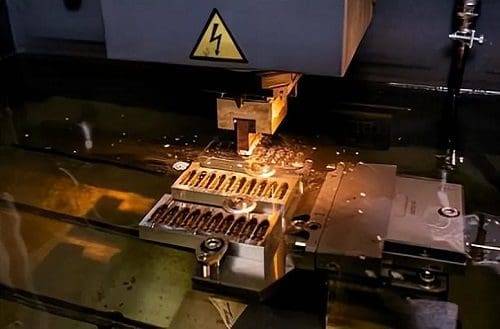
Machine construction differs as well. Aerospace machines use heavier castings, linear guides with higher preload, and cooling systems for the spindle and axis drives.
Software and control systems also play a role. Aerospace work requires advanced simulation, toolpath verification, and sometimes 5-axis simultaneous machining to produce complex contours without manual intervention.
Documentation and traceability are not machine features, but they are part of the aerospace machining ecosystem. Suppliers must track tool offsets, inspection results, and material lot numbers for every part.
For buyers, the practical takeaway is simple: if your parts are flight-critical or structurally significant, standard machining capacity is rarely sufficient.
How to Evaluate a Supplier’s Aerospace Machining Capability
Evaluating a machining partner requires more than asking if they have CNC machines. You need to verify equipment, processes, and quality systems.
Start by asking about their machine inventory and age. Newer machines with thermal compensation and in-process probing are more likely to hold tight tolerances consistently.
Ask which materials they machine regularly. A supplier who works with titanium and Inconel daily will have established tooling strategies and troubleshooting experience.
Request their quality certifications. While certifications vary by region and customer requirements, suppliers serving aerospace should be able to show documented inspection procedures and traceability systems.
Review their inspection equipment. CMMs, optical comparators, and surface roughness testers should be available in-house. Outsourced inspection adds lead time and risk.
Ask about engineering support. Suppliers who review drawings before quoting and flag potential manufacturability issues save you time and money downstream.
YPMFG supports buyers through this evaluation process by providing engineering review of drawings, material recommendations, and manufacturability feedback before production begins. You can send your specifications for assessment and receive practical guidance on tolerances, finishes, and cost drivers.
Questions Buyers Often Ask About Aerospace CNC Machining
What tolerances can aerospace CNC machining hold?
Aerospace machining typically holds tolerances of ±0.005 mm for critical features, though some applications require even tighter control. The achievable tolerance depends on part geometry, material, machine condition, and fixture design. Your supplier should specify achievable tolerances in writing before production starts.
How do I know if my part is suitable for aerospace CNC machining?
Parts with complex geometries, tight tolerances, or demanding material requirements are good candidates. If your component will be exposed to high stress, temperature variation, or fatigue loading, aerospace-grade machining is likely necessary. Send your drawing to a machining partner for a manufacturability review.
What is the typical lead time for aerospace machined parts?
Lead times vary widely based on complexity, material availability, and quantity. Simple aluminum parts may take one to two weeks, while complex titanium or Inconel components can take four to eight weeks. Prototype quantities often move faster than production runs.
How does part complexity affect machining cost?
Complexity drives cost through longer cycle times, specialized tooling, and more inspection steps. Features like deep pockets, thin walls, tight internal radii, and tight tolerances all increase machining time. Simplifying non-critical features can reduce cost without affecting performance.
What documentation should I request from an aerospace machining supplier?
Request material certificates, inspection reports, and dimensional measurement data. For critical components, ask about first article inspection reports and process control documentation. A supplier that provides complete documentation reduces your compliance burden.
Can aerospace CNC machining handle both prototypes and production runs?
Yes. Many suppliers support low-volume prototypes and high-volume production with the same equipment. Prototypes allow design verification before committing to production tooling and larger quantities. Confirm that your supplier can transition smoothly from prototype to production without requalification.
Choosing the Right Machining Partner for Your Application
Selecting an aerospace machining partner is a long-term decision that affects quality, delivery, and total cost. The cheapest quote is rarely the most economical choice when you factor in scrap, rework, and delayed programs.
Focus on capability, communication, and documentation. A supplier that reviews your drawings early, flags risks, and provides honest feedback will save you more money than one that simply accepts your print and hopes for the best.
YPMFG provides engineering evaluation, material selection guidance, and production support for aerospace components. If you are unsure whether your part requires aerospace-grade machining or whether your current supplier can handle the tolerances, send your specifications for review. The team will assess manufacturability, recommend practical adjustments, and provide a clear path to a reliable part.