Quick answer:
CNC machining evolved from manual milling machines adapted with early numerical control systems in the late 1940s. This transition replaced manual handwheels with computer-directed axes, significantly improving precision and repeatability. Today, it stands as the backbone of modern manufacturing, enabling complex geometries that were previously impossible to produce efficiently.
The journey began with the need for accurate parts for helicopter rotor blades. It has since expanded to serve every major industry. Understanding this history helps engineers appreciate the technological leaps that define current capabilities.
The Birth of Numerical Control
The concept of CNC started at MIT in the late 1940s. John T. Parsons worked on coordinate measuring machines and realized that computers could calculate tool paths more accurately than humans. He collaborated with the US Air Force to fund research into automated machining.
This partnership led to the first successful prototype in 1952. It was a modified Cincinnati Hydrotel milling machine. The system used punched paper tape to input instructions. This was the first time a machine could move along multiple axes without direct human guidance.
The initial technology was bulky and unreliable. Vacuum tubes were used instead of transistors. Despite these limitations, it demonstrated that automation was feasible for complex parts. The military saw immediate value in reducing production time for aerospace components.
Transition to Industrial Application
By the mid-1950s, companies like Bendix started commercializing the technology. They improved the reliability of the control systems. The introduction of magnetic drum memory allowed for more complex programs to be stored directly on the machine.
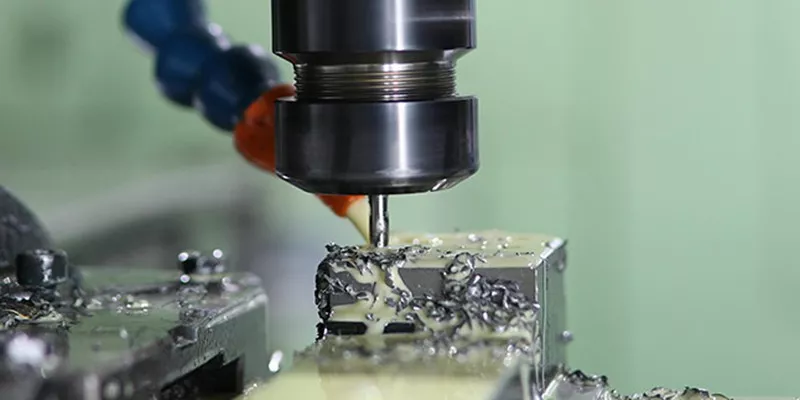
This era marked the shift from experimental prototypes to factory floor tools. Manufacturers began adopting NC machines for high-volume production runs. The ability to produce identical parts quickly reduced labor costs significantly. Quality control became easier with consistent output.
However, the systems were still open-loop. They did not verify if the tool actually reached the programmed position. Errors in the paper tape would result in scrapped parts. This limitation drove the next major innovation in machine control.
The Rise of Computer Control
The development of the integrated circuit in the 1960s changed everything. Computers became smaller, faster, and cheaper. Manufacturers could now embed mini-computers directly into machine controllers. This eliminated the need for external mainframes.
Closed-loop control systems became standard. Servo motors and feedback devices allowed machines to correct errors in real-time. This dramatically improved accuracy and surface finish. Engineers could now program complex curves and contours with confidence.
YPMFG notes that this era established the foundation for modern CNC programming. G-code became the universal language for machine instructions. Standardization allowed operators to share programs across different machines and locations. This interoperability accelerated adoption across industries.
Automation and Flexible Manufacturing
In the 1970s and 1980s,automation took center stage. Automated Tool Changers (ATCs) allowed machines to switch tools without stopping. Pallet changers enabled continuous loading and unloading of parts. This led to the creation of Flexible Manufacturing Systems (FMS).
FMS connected multiple CNC machines through a central computer. Parts moved automatically between stations for different operations. This reduced idle time and increased throughput significantly. It was ideal for batch production with varying part designs.
The integration of CAD and CAM software streamlined the workflow. Designers could create models in 3D software. The software then generated the toolpaths automatically. This reduced human error in programming and shortened lead times.
Modern Precision and Multi-Axis Complexity
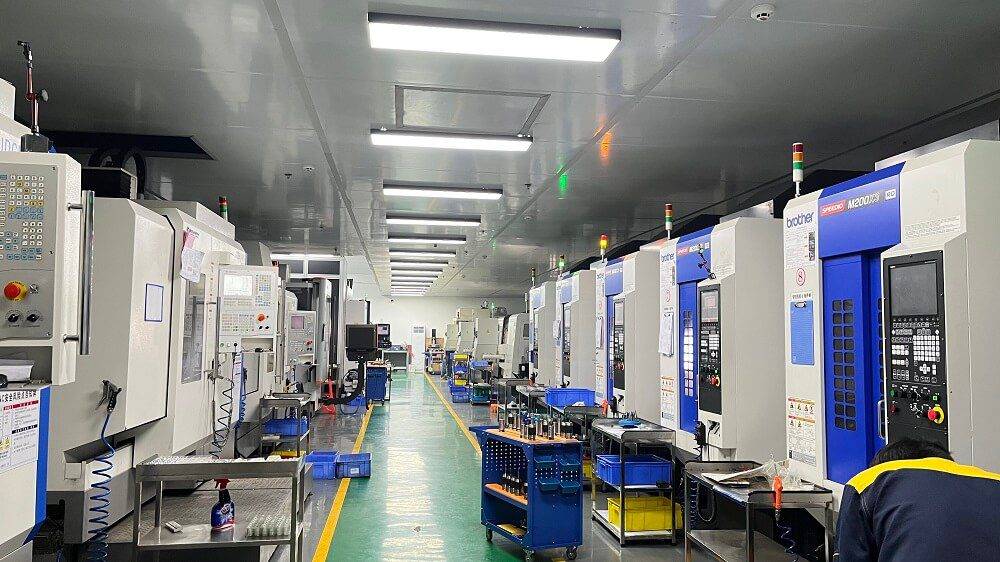
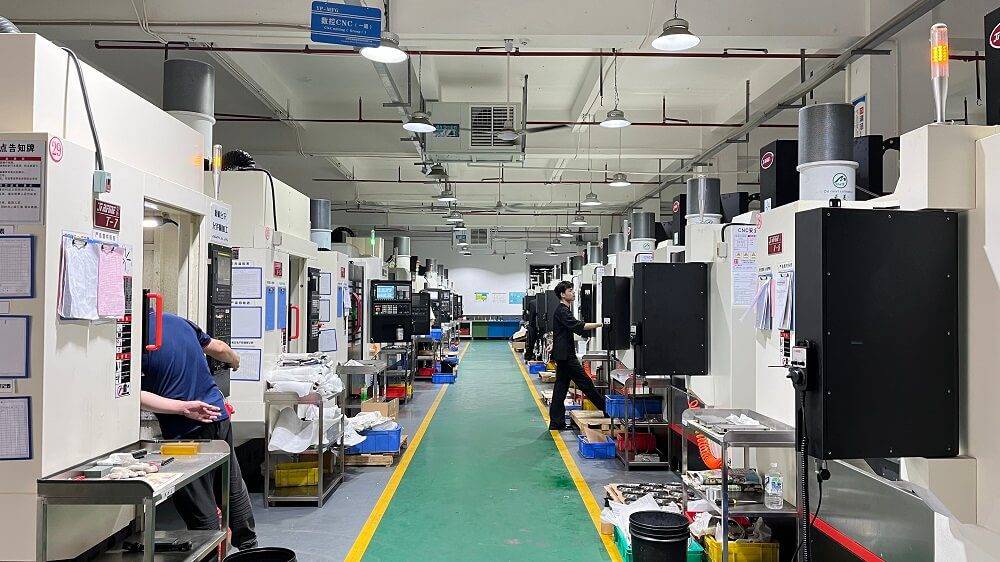
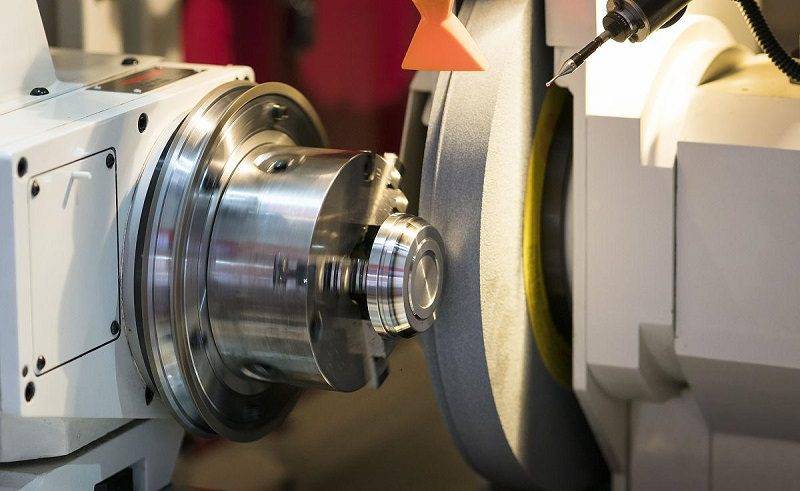
Today’s CNC machines operate with five or more axes simultaneously. This allows for complex geometries to be machined in a single setup. Reduced setups mean higher accuracy and faster production cycles.
Advanced spindle technologies and linear guides enable speeds and feeds beyond manual limits. Real-time monitoring systems detect tool wear and adjust parameters dynamically. This ensures consistent quality over long production runs.
CNC milling services now support a wide range of materials. From aluminum alloys to titanium and high-performance plastics, machines adapt to specific requirements. Surface finishes are often achieved without secondary operations.
Impact on Global Manufacturing
The evolution of CNC has reshaped global supply chains. Mass customization became possible. Companies can produce small batches economically. This flexibility allows for rapid response to market changes.
It also raised the barrier to entry for high-quality manufacturing. Small job shops can now compete with large factories. Digital twins and simulation software validate processes before cutting metal. This reduces material waste and engineering costs.
Common Questions About CNC History
When was the first CNC machine invented?
The first working prototype was completed in 1952 by MIT and the US Air Force. It was a modified milling machine using punched tape for control.
What replaced punched tape?
Punched tape was largely replaced by floppy disks and direct network connections. Modern machines receive programs directly from CAM software via ethernet or USB.
How did CNC change manufacturing accuracy?
CNC removed human variability from the machining process. Machines follow digital instructions precisely, ensuring every part matches the design specifications within tight tolerances.
Why is multi-axis machining important?
Multi-axis machining allows complex parts to be completed in one setup. This improves accuracy by eliminating repositioning errors and reduces production time significantly.
Making a Better Long-Term Decision
Understanding the history of CNC highlights its role as an enabler of precision. Technology continues to advance with AI-driven optimization and IoT connectivity. Choosing the right partner for CNC part manufacturing requires understanding these capabilities.
YPMFG supports projects requiring complex geometries and tight tolerances. We offer engineering assessments to optimize your designs for manufacturability. Send your specifications for a detailed review and quote.