Quick answer:
CNC plasma cutting service uses a high-velocity jet of ionized gas to cut through electrically conductive metals with high speed and reasonable precision. This method is ideal for medium-thickness plates where laser cutting costs are too high. YPMFG offers automated plasma solutions that balance throughput requirements with dimensional accuracy for industrial applications.
The core value lies in processing carbon steel, stainless steel, and aluminum up to 1/2 inch thick efficiently. Unlike mechanical shearing, CNC plasma handles complex geometries without tooling changes or material deformation. Buyers prioritize this service when production volume demands faster cycle times than waterjet or laser alternatives can provide.
YPMFG supports these operations by providing engineering assessments to select the optimal amperage and gas mix. Our team ensures that kerf width and heat-affected zones remain within acceptable tolerances for your specific assembly needs. This approach minimizes post-processing work while maintaining structural integrity of the finished parts.
Understanding the limitations of thermal cutting is crucial for cost-effective procurement. Plasma cutting excels in flat sheet metal but may struggle with vertical edge quality on thicker materials. Evaluating your design files against standard tolerances helps avoid unexpected delays or additional finishing costs during manufacturing.
How CNC Plasma Cutting Works
The process begins with an electrical arc formed between an electrode and the workpiece. Compressed gas flows through a constricting nozzle, becoming ionized into plasma. This superheated state allows the arc to melt the metal locally. A second gas stream blows the molten material away from the cut zone.
Speed depends heavily on material thickness and type. Thinner sheets require lower amperage to prevent excessive beveling. Thicker sections need higher power settings to penetrate fully. Modern CNC controllers adjust torch height automatically to maintain consistent cut quality across varying surface conditions.
Heat input affects the surrounding material structure. A narrow heat-affected zone preserves mechanical properties near the edges. Proper gas selection, such as nitrogen or oxygen, influences both cut speed and edge cleanliness. Engineers must match these parameters to the alloy being processed.
Material Compatibility and Thickness Limits
CNC plasma cutting is versatile across conductive metals. Carbon steel responds well to oxygen plasma, offering fast cutting speeds. Stainless steel and aluminum typically use nitrogen or air plasma to prevent oxidation. Each material requires specific gas flow rates and torch settings for optimal results.
Thickness capacity varies by machine configuration. Standard systems handle up to 1 inch effectively. High-amperage units can cut thicker plates but may sacrifice edge squareness. For precision components under 1/4 inch, laser cutting might offer better accuracy. However, plasma remains more economical for larger, less critical features.
Surface condition impacts cut quality significantly. Rusted or painted surfaces can interfere with arc stability. Pre-cleaning or adjusting parameters may be necessary. YPMFG evaluates incoming material conditions during the engineering review phase to anticipate potential issues.
Key Benefits Over Other Cutting Methods
Plasma cutting offers superior speed compared to waterjet and mechanical methods. It eliminates the need for consumable blades or abrasive media replacement. Operational costs remain low due to affordable gas supplies and minimal maintenance requirements. This efficiency translates directly to competitive pricing for high-volume orders.
Flexibility in part geometry is another major advantage. Complex nested layouts maximize material utilization. The CNC system follows digital paths without physical setup changes. Design modifications can be implemented instantly by updating the programming file. This agility supports rapid prototyping and short-run production runs.
Thermal distortion is generally lower than oxy-fuel cutting. The focused energy source limits warping in thin sections. Post-cut straightening is often unnecessary for standard industrial applications. This reduces secondary operations and overall lead times for finished assemblies.
Common Applications and Industries
Manufacturing sectors rely on plasma cutting for structural components. Construction industries use it for beams, plates, and brackets. Automotive fabrication benefits from its ability to cut chassis parts quickly. Heavy machinery manufacturers utilize the service for wear plates and housings.
Electrical enclosures often feature plasma-cut panels for ventilation and mounting. These parts require precise hole patterns and clean edges. YPMFG provides custom nesting solutions to optimize material usage for such projects. Consistent quality ensures easy assembly and fitment in final products.
Prototyping teams appreciate the speed of turning CAD models into physical parts. Iterative designs benefit from quick turnaround times. Engineers can test form and function without waiting for mold creation. This accelerates product development cycles significantly.
Factors Influencing Cutting Quality and Cost
Several variables determine the final outcome and price. Material thickness dictates the required amperage and gas consumption. Cut speed affects productivity and energy usage per part. Tolerance requirements influence the choice of technology and post-processing steps.

Kerf width must be accounted for in design files. The laser beam has a finite width that removes material. Ignoring this allowance leads to parts that are slightly undersized. Our engineering team reviews drawings to ensure proper compensation is applied before production begins.
Surface finish quality depends on gas type and tip condition. Rough edges may require grinding or deburring. Specifying tolerance levels upfront helps align expectations with capabilities. Clear communication regarding cosmetic standards prevents disputes upon delivery.
Quality Control and Tolerances
Dimensional accuracy is critical for functional parts. CNC plasma systems maintain tight tolerances through precise servo control. Repeatability ensures that every part matches the previous one. Regular calibration of axes and torch height sensors maintains this consistency over time.
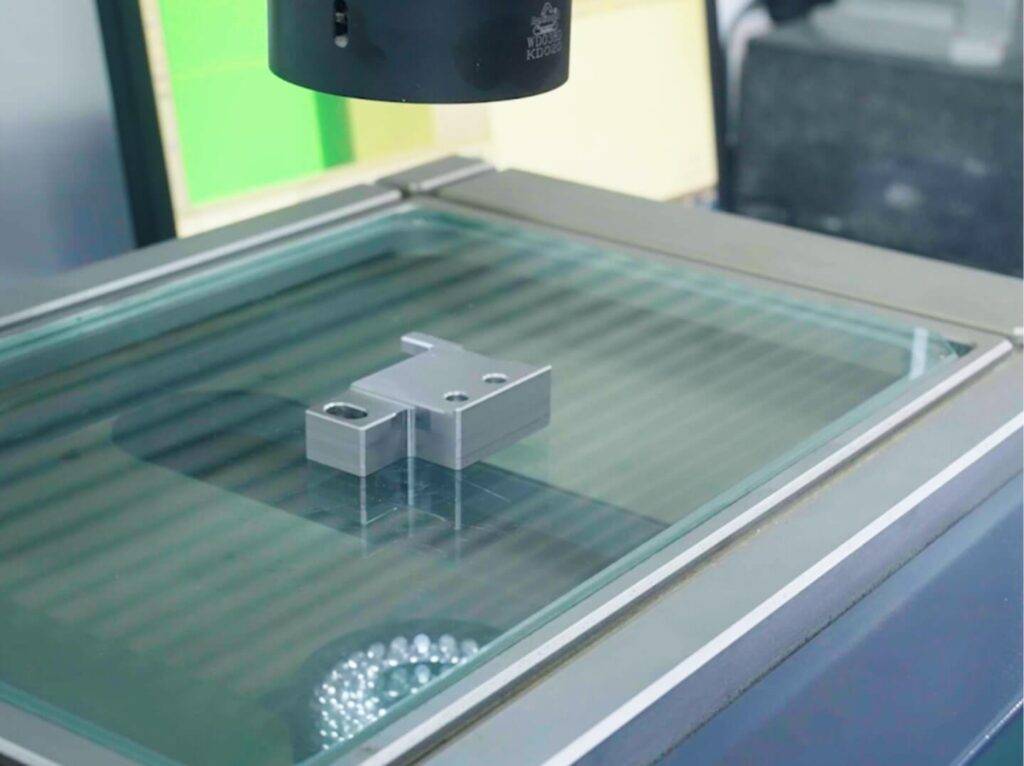
Visual inspection verifies edge quality and slag removal. Automated optical systems can detect defects in real-time. Manual checks confirm compliance with engineering drawings. YPMFG implements rigorous QC protocols to catch any deviations early in the process.
Documentation provides traceability for regulated industries. Material certifications and test reports are available upon request. This transparency builds trust with clients who require strict adherence to specifications. Comprehensive records support long-term supply chain reliability.
Why Choose YPMFG for Your Project
YPMFG combines advanced equipment with experienced engineering support. We focus on delivering consistent quality for both prototypes and production runs. Our facility is equipped to handle diverse material types and thicknesses.
We provide detailed quotes based on your specific requirements. Transparent pricing helps you budget accurately for your manufacturing needs. No hidden fees for standard processes or minor adjustments.
Our customer service team assists with technical questions throughout the project. From initial design review to final delivery, we ensure smooth communication. Partnering with us means reliable timelines and professional guidance.
Practical Questions Before Choosing CNC Plasma Cutting
Is CNC plasma cutting suitable for my thin metal parts?
It works best for materials between 1/16 inch and 1/2 inch thick. Thinner gauges may warp due to heat. Consider laser cutting for precision on sheets under 1/8 inch. Plasma offers good speed for structural components in this range.
How does kerf width affect my design dimensions?
Kerf width removes material along the cut path. You must offset your CAD geometry to account for this loss. Failure to compensate results in parts that are too small. YPMFG adjusts designs automatically to meet specified tolerances accurately.
What gas options are available for different metals?
Oxygen is cost-effective for carbon steel. Nitrogen suits stainless steel and aluminum. Air plasma is a versatile option for general fabrication. Gas choice impacts edge quality and cutting speed. We recommend the optimal mix for your material.
Can I get samples before placing a large order?
Yes,sample testing is available for validation. Send your specifications to YPMFG for evaluation. We produce trial parts to check fit and finish. This step reduces risk before committing to full production volumes.
Making a Better Long-Term Decision
Selecting the right cutting service impacts your bottom line and product quality. CNC plasma cutting offers a balanced solution for many industrial applications. It provides speed, flexibility, and cost-efficiency for medium-thickness metals.
Evaluate your specific needs regarding tolerance, material, and volume. Compare quotes from multiple suppliers based on total cost of ownership. Consider the value of engineering support and quality assurance. YPMFG stands ready to help you navigate these choices effectively.
Send your current specifications to YPMFG for a detailed review. Our engineers will assess feasibility and suggest optimizations. Request a quote to see how our services fit your budget. Let us help you achieve precision and efficiency in your next project.