Quick answer:
3D printing services are ideal for complex geometries, low-volume prototypes, and rapid iteration where tooling costs must be avoided. However, for high-volume production, tight tolerances, or specific material strength requirements, traditional manufacturing like CNC machining often provides better cost-efficiency and surface finish. The choice depends on your volume, design complexity, and functional needs.
If you are evaluating manufacturing methods for a new product, understanding the trade-offs between additive and subtractive processes is critical. Many engineers assume 3D printing is always faster or cheaper, but this is not true for mass production. You need to assess part geometry, material properties, and post-processing requirements before selecting a provider.
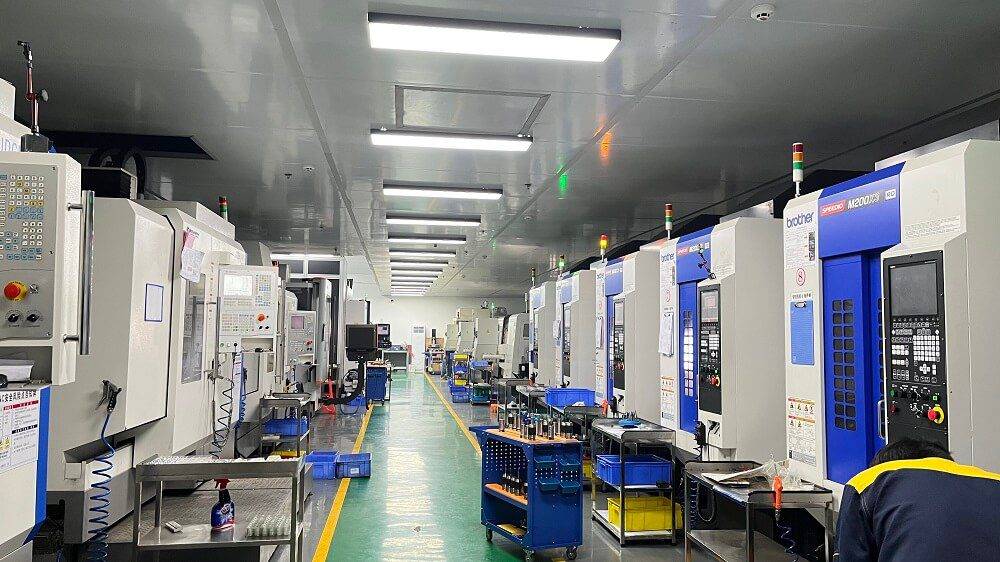
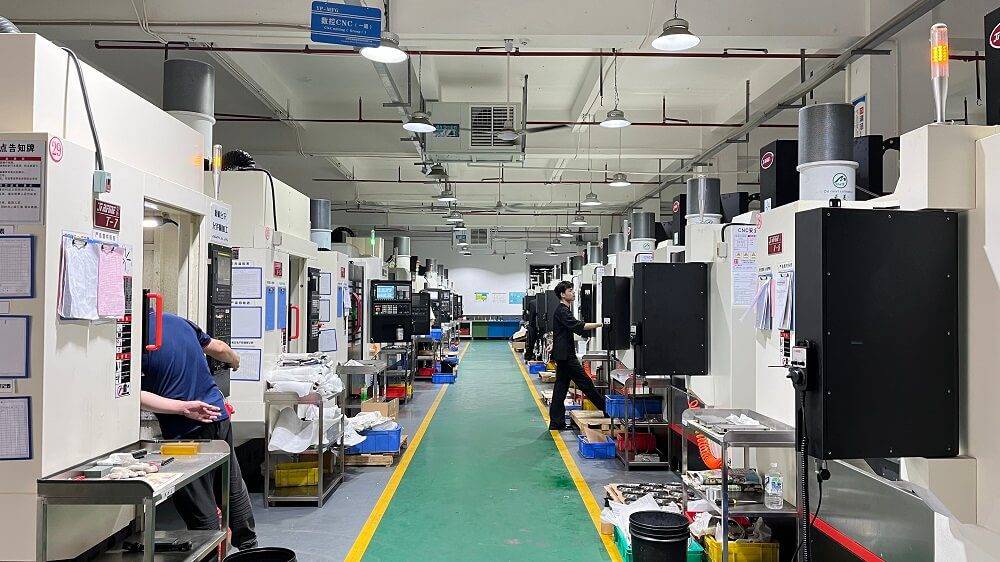
YPMFG specializes in precision CNC machining but also understands when 3D printing is the appropriate solution. We help clients choose the right manufacturing route based on engineering feasibility and total lifecycle cost. Below, we break down the key differences to help you make an informed decision.
Understanding Additive Manufacturing Basics
3D printing, technically known as additive manufacturing, builds parts layer by layer from digital models. This process eliminates the need for molds or fixtures, making it highly flexible for design changes. Common technologies include Fused Deposition Modeling (FDM), Stereolithography (SLA), and Selective Laser Sintering (SLS).
Each technology serves different applications. FDM is cost-effective for basic prototypes but has lower resolution. SLA offers high detail for visual models but may lack structural durability. SLS provides strong, functional parts with good mechanical properties. Understanding these distinctions helps you specify the correct service for your project.
Key Advantages of 3D Printing Services
The primary benefit of 3D printing is design freedom. Complex internal structures, lattice designs, and organic shapes that are impossible to machine can be printed easily. This is particularly valuable in aerospace, medical implants,and custom consumer goods.
Additionally, 3D printing supports rapid prototyping. Engineers can print a part in hours rather than waiting weeks for tooling. This accelerates the test-and-learn cycle, reducing time-to-market. For small batches, the per-unit cost remains relatively stable since no fixed setup costs are involved.
However, surface finish is often rougher than machined parts. Post-processing such as sanding or coating may be required. Also, isotropic strength means parts may be weaker along Z-axis layers compared to X-Y axes. These factors must be considered for load-bearing components.
Limitations and Risks of 3D Printing
While versatile, 3D printing has significant limitations for industrial applications. Dimensional accuracy is generally lower than CNC machining. Tolerances often range from ±0.1mm to ±0.5mm, depending on the technology. Critical fits may require secondary operations, adding cost and time.
Material selection is also more restricted. While common plastics and some metals are available, the variety does not match traditional manufacturing. Properties like heat resistance, chemical stability, and long-term creep behavior may differ from bulk materials. Always verify material datasheets for specific grades.
Production speed slows down as part size increases. Large prints take many hours or even days. For high volumes, the cumulative time makes 3D printing economically unviable. Injection molding or CNC machining becomes more efficient at scale due to faster cycle times.
When to Choose CNC Machining Instead
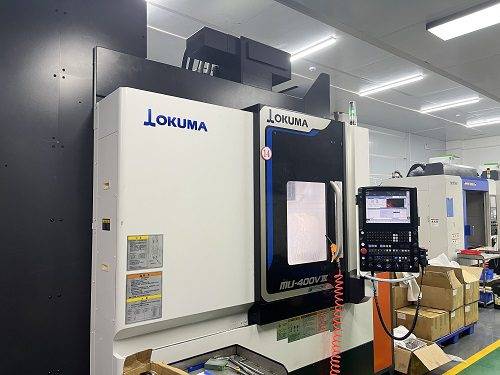
CNC machining is superior when you need high precision, excellent surface finish, or large production runs. It removes material from a solid block, ensuring consistent mechanical properties throughout the part. This is crucial for functional prototypes and end-use parts.
Tolerances can be held to ±0.025mm or tighter with CNC. Surface finishes can be achieved directly from the machine or with minimal polishing. Materials include a vast range of metals and engineering plastics with verified certifications.
For parts requiring assembly with other machined components, CNC ensures compatibility. Threads, holes, and mating surfaces are precise and repeatable. If your design involves tight clearances or high-stress areas, CNC machining is likely the safer choice.
Cost Comparison: Volume Matters
Cost structures differ fundamentally between the two methods. 3D printing has low setup costs but higher per-unit costs. CNC machining has high setup costs (programming, fixturing) but lower per-unit costs at scale.
For quantities under 10-50 units, 3D printing is often cheaper due to zero tooling fees. Between 50-500 units, the break-even point varies by complexity. Above 500 units, CNC or injection molding usually wins on price.
Hidden costs include post-processing. 3D printed parts often need support removal, cleaning, or curing. Machined parts may need deburring or anodizing. Always request a detailed quote that includes all finishing steps. YPMFG provides transparent pricing for both custom prototype manufacturing and production runs to help you compare accurately.
Material Selection Guide
Choosing the right material affects performance, cost, and manufacturability. Below is a comparison of common options for each process.
This table highlights why industrial component manufacturing often favors CNC. However, for lightweight structures or complex fluid channels, 3D printing remains unmatched. Consider your functional requirements first.
Post-Processing Requirements
Both methods require post-processing, but the nature differs. 3D printed parts need support removal and surface treatment. Supports can leave marks that require filing or sanding. Chemical smoothing can improve appearance but may reduce dimensional accuracy.
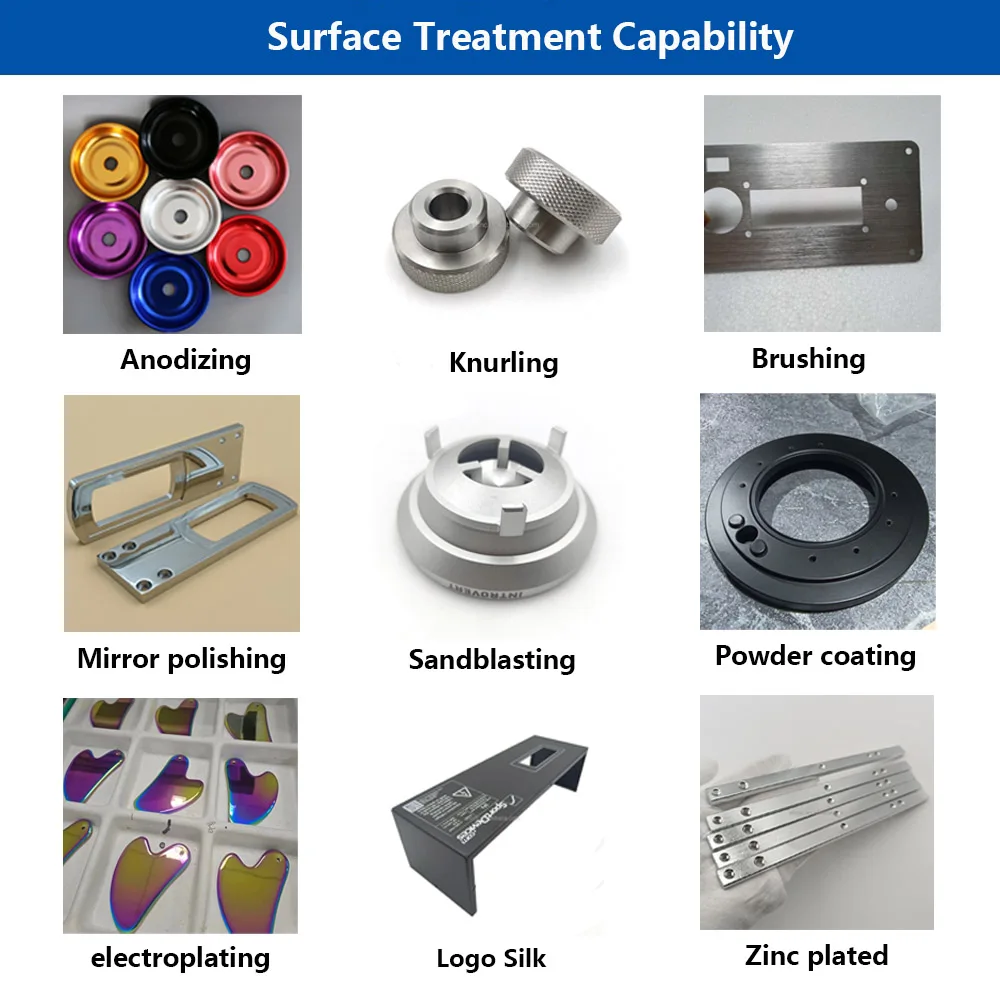
Machined parts may need thermal treatment, coating, or threading. Anodizing or powder coating adds durability and aesthetics. These processes are well-controlled in professional shops. Ensure your provider offers these services or partners with reliable finishers.
For medical or aerospace applications, traceability is key. Machined parts often come with full material certificates. 3D printed parts may have batch data but less individual traceability unless specifically managed. Verify documentation needs early in the project.
Design for Additive Manufacturing (DFAM)
To optimize 3D printed parts, follow DFAM principles. Avoid overhangs greater than 45 degrees without supports. Keep wall thickness uniform to prevent warping. Use chamfers instead of sharp corners to reduce stress concentrations.
Internal cavities should be designed for support removal or drainage if using resin. Consider the build orientation, as it affects strength and surface quality. YPMFG’s engineering team can review your CAD files to suggest optimizations for additive manufacturing design.
Ignoring DFAM can lead to failed prints or weak parts. Simulation software can predict stresses, but physical testing is still recommended for critical applications. Collaborate with your service provider during the design phase to avoid costly revisions.
Common Mistakes in 3D Printing Projects
Many buyers underestimate the importance of file preparation. STL files must be watertight and manifold. Non-manifold edges cause slicing errors and incomplete prints. Always check your models before submission.
Another mistake is assuming all 3D prints are equal. Technology matters significantly. A resin print looks different from a nylon SLS part. Specify the exact technology and material grade in your request. Vague descriptions lead to mismatched expectations.
Finally, do not ignore lead times. While 3D printing is fast, queue times at busy shops can delay delivery. Plan for buffer time in your schedule. Rush fees apply for expedited orders. Early engagement with your manufacturer helps manage timelines effectively.
Practical Questions Before Choosing a Service
What is the minimum order quantity?
Most 3D printing services have no MOQ, allowing single-part orders. CNC machining may have minimum setup charges. For one-off prototypes, 3D printing is more economical.
Can you provide material certifications?
Standard 3D printing rarely includes full traceability. CNC machining can provide Mill Test Reports (MTRs) for metals. If certification is required, specify this upfront.
How do you handle tight tolerances?
Post-machining can improve 3D printed parts but adds cost. For critical fits, start with CNC. Some providers offer hybrid approaches, combining printing with machining for best results.
What is the typical turnaround time?
Prototypes can be ready in 1-3 days. Larger batches or complex finishes may take a week. Request a realistic timeline during quoting.
Do you offer design review services?
Many providers, including YPMFG, offer free design feedback. Submit your CAD files early to identify potential issues. This saves time and material waste.
Making a Better Long-Term Decision
Selecting between 3D printing and CNC machining requires balancing speed, cost, and quality. There is no universal winner. Each method has distinct strengths suited to specific needs. Evaluate your project’s volume, complexity, and functional demands carefully.
Partnering with an experienced manufacturer ensures you get the right advice. They can assess your design and recommend the most efficient process. Don’t hesitate to ask for technical evaluations before committing.
At YPMFG, we provide expert guidance on manufacturing process selection. Send your specifications for a free engineering review. We will help you optimize your design for cost and performance, whether you choose additive or subtractive methods. Contact us today to start your project.