Quick answer:
Hardware sheet metal stamping parts are high-volume, cost-effective components formed by pressing metal sheets into specific shapes using dies and presses. They are ideal for applications requiring tight tolerances, consistent quality, and rapid production cycles. Buyers should focus on material selection, tooling complexity, and surface finish requirements to ensure the final parts meet engineering specifications and budget constraints.
Sheet metal stamping is a fundamental manufacturing process that transforms raw metal coils or blanks into functional hardware components. This method allows for the mass production of complex geometries with minimal material waste. For engineers and procurement specialists, understanding the nuances of this process is critical for optimizing part design and reducing overall project costs.
YPMFG specializes in providing precision CNC machining and related metal fabrication services, including advanced stamping solutions. Our engineering team supports clients in evaluating design feasibility and selecting the most appropriate manufacturing methods for their specific hardware needs.
Understanding the Stamping Process and Applications
Stamping involves placing a flat sheet of metal into a press die that shapes the metal with a punch. The process can be simple or highly complex, depending on the number of strokes required. Common operations include blanking, piercing, bending, and drawing.
Blanking cuts the outer shape of the part from the sheet. Piercing creates holes within the part without removing the cut piece. Bending deforms the metal along a straight axis. Drawing pulls the sheet into a die to form hollow shapes like cups or boxes.
These processes are widely used in the automotive, electronics, and appliance industries. Hardware sheet metal stamping parts often serve as brackets, contacts, enclosures, and structural supports. The ability to produce intricate features in a single operation makes stamping highly efficient for large batches.
Key Factors Influencing Part Design and Cost
Designing for manufacturability (DFM) is essential when ordering stamped parts. Simple geometries generally result in lower tooling costs and faster production times. Complex features may require multiple stages, increasing both time and expense.
Material choice significantly impacts performance and price. Common materials include cold-rolled steel, stainless steel, aluminum, and copper alloys. Each material offers different properties regarding strength,conductivity, corrosion resistance, and formability.
Tolerance levels also affect pricing. Standard commercial tolerances are cost-effective, while precision tolerances require more sophisticated tooling and tighter process control. Surface finish requirements, such as plating or powder coating, add additional steps to the production workflow.
Consider the following factors when planning your stamped hardware projects:
Part Geometry: Avoid sharp internal corners that can cause stress concentrations.
Material Thickness: Thicker gauges may require higher tonnage presses.
Production Volume: High volumes justify custom die investments; low volumes may suit soft tooling.
Secondary Operations: Determine if assembly, welding, or finishing is needed.
Comparing Stamping with Other Manufacturing Methods
Choosing the right manufacturing process depends on volume, complexity, and budget. Stamping is often compared to laser cutting, CNC punching, and injection molding. Each method has distinct advantages and limitations.
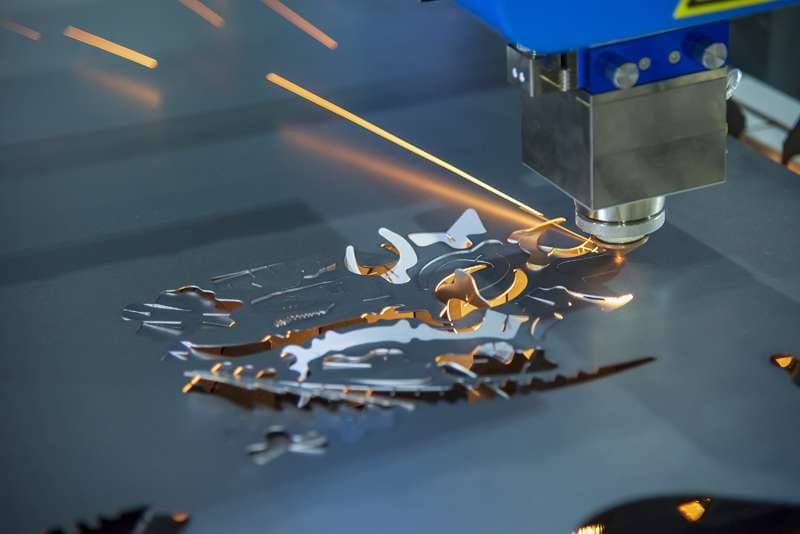
Laser cutting offers flexibility for low-volume, high-complexity parts but lacks the speed of stamping for mass production. CNC punching is suitable for prototyping and moderate volumes but may struggle with intricate bends. Injection molding provides excellent detail for plastics but is not applicable to metal hardware.
The table below compares stamping with alternative methods based on common buyer criteria.
Selecting the correct process ensures optimal balance between upfront investment and per-unit cost. For long-run hardware sheet metal stamping parts, stamping typically delivers the lowest total cost of ownership despite higher initial tooling expenses.
Quality Control and Inspection Standards
Consistent quality is paramount in stamped part production. Variations in material properties or die wear can lead to defects such as burrs, cracks, or dimensional inaccuracies. Implementing rigorous quality control measures helps mitigate these risks.
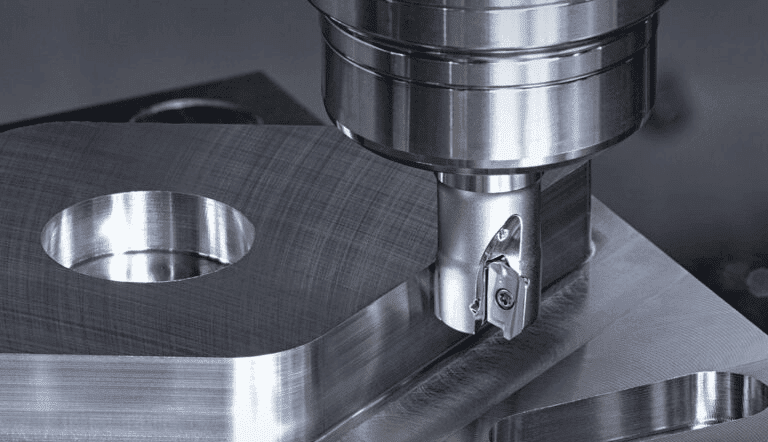
First-article inspections verify that the initial parts meet all design specifications. In-process inspections monitor production stability and detect deviations early. Final inspections ensure that all delivered parts conform to agreed-upon standards before shipment.
Dimensional accuracy is often verified using coordinate measuring machines (CMM) or optical comparators. Visual inspections check for surface defects, burrs, and proper deformation. Functional testing may be required for parts that interact with other components in an assembly.
YPMFG adheres to strict quality management protocols to ensure every batch meets customer expectations. We provide comprehensive inspection reports and documentation to support traceability and compliance with industry standards.
Common Mistakes in Sourcing Stamped Parts
Many buyers encounter issues due to inadequate communication or unrealistic expectations. Misunderstanding tolerance capabilities can lead to rejected parts and delayed projects. Overlooking material compatibility may result in premature failure of the hardware components.
Another frequent mistake is ignoring the impact of secondary operations. Assuming that a stamped part will arrive ready-to-assemble can cause production bottlenecks if post-processing is required. Clear specification documents help prevent these misunderstandings.
Additionally, focusing solely on unit price can overlook hidden costs. High defect rates or poor supplier communication can increase overall project expenses. Partnering with a reliable manufacturer who offers engineering support reduces these risks significantly.
When evaluating suppliers, consider their ability to provide detailed feedback on your designs. A proactive partner will identify potential issues before tooling begins, saving time and money in the long run.
Practical Questions Before Choosing Stamping
Buyers often have specific concerns regarding the stamping process and its implications for their projects. Addressing these questions helps clarify requirements and streamline decision-making.
What is the minimum order quantity for stamped parts?
Minimum order quantities depend on tooling costs and production setup. High-volume runs reduce per-unit costs effectively. Soft tooling options may allow for lower quantities with higher per-unit prices.
How long does tooling fabrication take?
Die fabrication typically takes several weeks, depending on complexity. Simple dies may be ready faster than multi-station progressive dies. Plan your project timeline to accommodate this lead time accurately.
Can you handle tight tolerances in stamping?
Yes, but it requires specialized tooling and process control. Standard tolerances are easier to achieve and cost less. Precision tolerances may necessitate secondary machining operations for critical features.
What materials are commonly used?
Common materials include mild steel, stainless steel, aluminum, brass, and copper. Material selection depends on mechanical properties, corrosion resistance, and electrical conductivity requirements for your application.
Do you offer sample production?
Sample production allows you to verify fit and function before full-scale manufacturing. Prototyping services help validate design choices and refine specifications. Early samples can prevent costly errors in later stages.
Making a Better Long-Term Decision
Choosing the right manufacturing partner for hardware sheet metal stamping parts requires careful evaluation of technical capabilities and service support. Prioritize suppliers who offer engineering expertise, robust quality control, and transparent communication.
Investing in proper tooling and design validation pays off through consistent part quality and reduced warranty claims. Collaborate closely with your manufacturer to optimize designs for manufacturability and cost efficiency.
You can send your specifications to YPMFG for a professional engineering review. Our team will assess your requirements and recommend the most effective solution for your hardware stamping needs. Request a quote today to discuss your project details and explore how we can support your production goals.