Quick answer:
CNC (Computer Numerical Control) machining is a manufacturing process where pre-programmed computer software controls the movement of factory tools and machinery. The technology evolved from early numerical control (NC) systems developed in the 1940s and 1950s, which used punched tape to guide machine tools. Today, CNC enables high-precision, automated production of complex parts across industries like aerospace, automotive, and medical devices. Understanding its history helps buyers evaluate machine capabilities, tolerance standards, and the reliability of modern suppliers.
If you are involved in sourcing machined components, the history of CNC machining is more than a technical timeline. It explains why some parts cost more, why tolerances vary, and how to judge a supplier’s capability. Many buyers assume all CNC machines work the same way. In reality, the evolution from manual controls to today’s multi-axis systems directly affects part accuracy, lead time, and repeatability. Knowing this history helps you ask the right questions before placing an order.
From Manual to Numerical Control
Before CNC, machinists operated equipment by hand. Every cut, movement, and tool change required direct human control. This method worked for simple parts but struggled with complex geometries and tight tolerances.
The first major shift came in the 1940s when the U.S. Air Force needed a way to produce complex aircraft components reliably. John T. Parsons, working with MIT, developed a system that used punched cards to control machine movements. This was the beginning of numerical control (NC).
By the 1950s, NC machines were being used in production. Operators loaded programs via punched tape, and the machine followed the instructions automatically. This reduced human error and improved repeatability for large production runs.
The Birth of Computer Numerical Control
The term “computer numerical control” emerged in the 1970s as computers became small enough and affordable enough to be integrated directly into machine tools. Instead of relying on external punched tape readers, CNC machines stored programs in onboard memory.
This shift brought several advantages. Operators could edit programs on the machine, store multiple part programs, and run automated cycles without manual intervention. The introduction of microprocessors in the 1980s made CNC systems even more powerful and reliable.
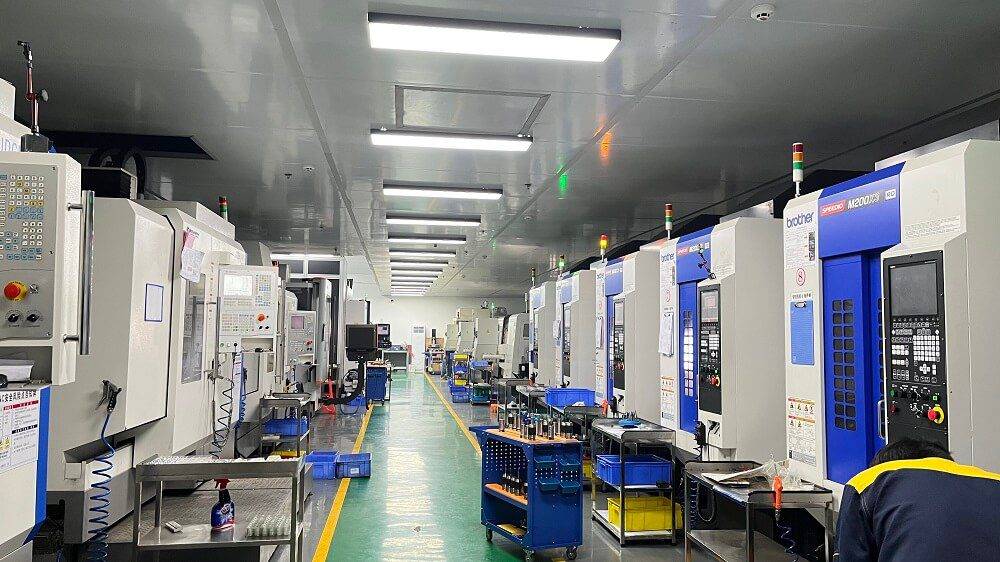
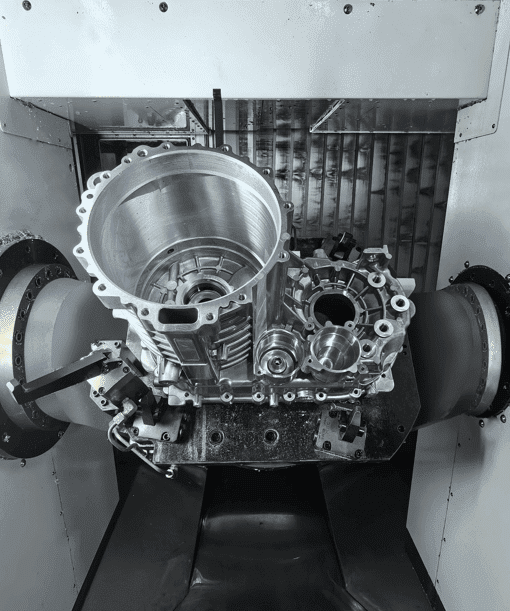
Today, a typical CNC machining center can control multiple axes simultaneously,change tools automatically, and maintain tolerances within microns. This level of precision was impossible with early NC systems.
Key Milestones in CNC Development
The following table summarizes major developments in CNC history and their impact on manufacturing.
Each stage brought measurable improvements in machining accuracy, production speed, and material versatility. Buyers who understand these milestones are better equipped to evaluate a shop’s equipment age and capability.
How CNC History Affects Modern Machining
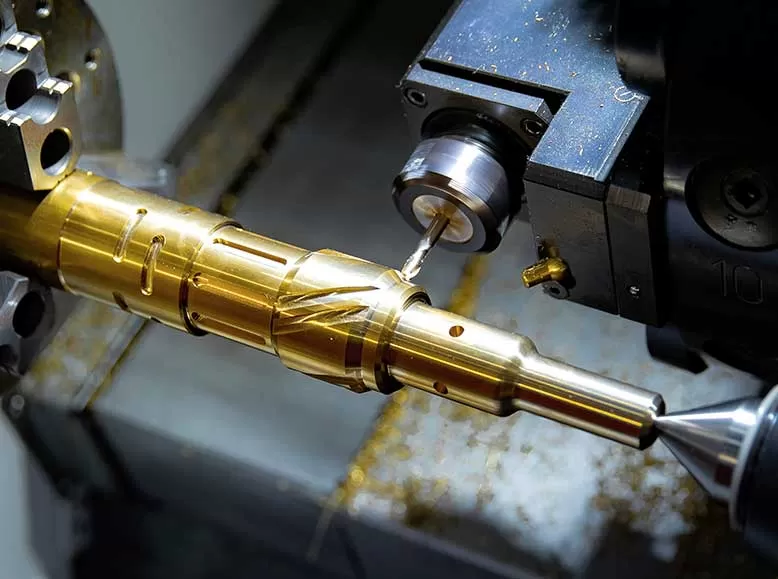
The history of CNC directly influences how you should select a machining partner today. Older machines may still produce acceptable parts, but they often run slower and offer fewer features than modern equipment.
Newer CNC systems support tighter tolerances, faster cycle times, and better surface finishes. They also integrate with CAD/CAM software, which reduces programming errors and shortens setup time.
When evaluating a supplier, ask about their equipment age and control system type. Shops using machines from the 1990s may lack capabilities like high-speed machining or simultaneous 5-axis cutting. These limitations can affect part complexity, lead time, and cost.
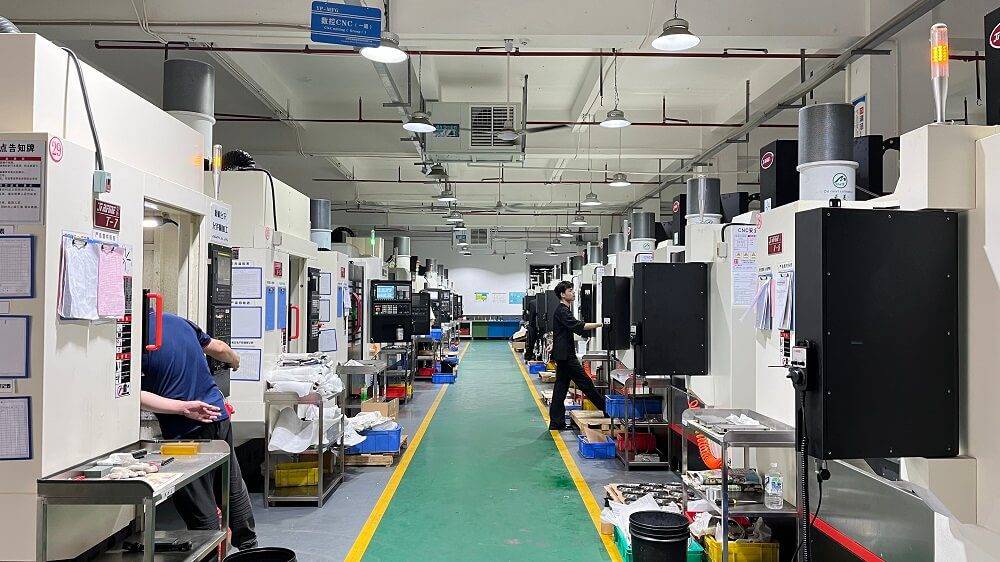
YPMFG works with modern CNC equipment that supports a wide range of materials and tolerances. If your project requires specific capabilities, sending your specifications to YPMFG for engineering review can clarify whether the job fits their equipment profile.
Common Questions About CNC History
Did CNC exist before computers?
No. Early numerical control systems used punched tape and electromechanical relays, not computers. True CNC emerged in the 1970s when microprocessors became available.
What is the difference between NC and CNC?
NC machines followed fixed instructions from punched tape and could not be changed mid-cycle. CNC machines store programs digitally, allow editing, and offer more flexible control.
When did 5-axis CNC machining become common?
5-axis CNC machines became commercially practical in the 1980s and more common in the 2000s as software and control systems improved.
How has CNC improved part quality over time?
Modern CNC systems achieve tighter tolerances, better surface finishes, and higher repeatability. Advances in spindle technology, coolant systems, and toolpath optimization have all contributed.
Is older CNC equipment still useful?
Older machines can still produce good parts for simple geometries and looser tolerances. However, they lack the speed, precision, and automation of modern equipment.
Does CNC history affect my part cost?
Yes. Shops with older machines may charge less per hour but take longer per part. Newer machines often have lower per-part costs due to faster cycle times and less scrap.
Choosing the Right Machining Partner for Your Project
Understanding how CNC technology has evolved helps you make better sourcing decisions. The equipment a shop uses directly affects part accuracy, lead time, material flexibility, and cost predictability.
When you compare suppliers, look beyond the hourly rate. Ask about equipment age, control system type, and supported tolerances. Shops that invest in modern CNC systems are better positioned to handle complex geometries and tight deadlines.
YPMFG supports buyers with engineering reviews, material selection advice, and production planning. If you are developing a new part or evaluating an existing design, send your specifications to YPMFG for a detailed assessment. That conversation can help you match your requirements to the right machining capabilities from the start.