
Quick answer:
High precision CNC machining parts are components manufactured with extremely tight tolerances, often within ±0.005 mm or tighter, using advanced computer-controlled machine tools. These parts are essential in industries where dimensional accuracy, surface finish, and repeatability directly affect product performance, safety, and lifespan. Common applications include aerospace, medical devices, automotive, and electronics.
When engineers or procurement professionals search for high precision CNC machining parts, they are typically facing a practical challenge: finding a supplier that can consistently hold tight tolerances across complex geometries while managing cost and lead time. The risk of choosing the wrong partner can lead to assembly failures, increased scrap rates, or costly rework. This article explains what defines precision in CNC machining, what specifications matter, and how to evaluate a supplier’s capability.
What Defines High Precision CNC Machining Parts
The term “high precision” in CNC machining refers to the ability to produce parts within very tight dimensional tolerances. Standard CNC machining typically holds tolerances of ±0.1 mm, while high precision machining achieves ±0.01 mm or even ±0.005 mm. The difference comes from machine quality, tooling, environmental control, and inspection methods.
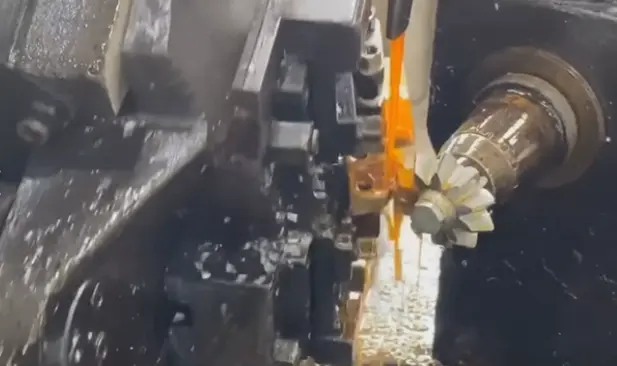
Precision is not just about measurement. It also includes surface finish, geometric consistency, and repeatability across production runs. A part that meets tolerance on the first piece but drifts after 100 units is not truly high precision. Reliable suppliers use in-process inspection and calibrated equipment to maintain consistency.
Key Specifications and Tolerances
When reviewing specifications for high precision CNC machining parts, engineers look at several critical parameters. The most common is dimensional tolerance, which defines the allowable variation in size. For precision parts, this may be expressed as ±0.005 mm or an ISO grade such as IT6 or IT5.
A reliable supplier will provide a detailed inspection report or certificate of conformance to verify these values. If your application requires tight geometric tolerances, always confirm the supplier’s measurement equipment and calibration procedures.
Materials Used for Precision Parts
High precision machining is not limited to one material. The choice depends on mechanical properties, thermal stability, and machinability. Common materials include aluminum alloys (6061, 7075), stainless steel (303, 304, 316),titanium, brass, and engineering plastics like PEEK and Delrin.
Each material behaves differently during cutting. Aluminum offers good machinability and thermal conductivity, while stainless steel and titanium require slower speeds and rigid setups to maintain accuracy. For high precision parts, material selection must also consider post-machining stress relief and surface treatment.
When sourcing high precision CNC machining parts, discuss material availability and any special processing requirements with your supplier early. This helps avoid delays and ensures the final part meets mechanical and dimensional requirements.
Common Applications and Industries
High precision CNC machining parts are used in applications where failure is not an option. In the aerospace industry, components like turbine blades, fuel system parts, and structural brackets require tight tolerances to withstand extreme conditions. Medical device manufacturers rely on precision parts for surgical instruments, implants, and diagnostic equipment.
Other industries include automotive (engine components, transmission parts), electronics (connectors, heat sinks), and robotics (joints, housings). Each application has unique requirements for surface finish, material certification, and cleanliness.
For projects in regulated industries, verify that your supplier can provide material traceability and compliance documentation. This is especially important when parts must meet standards such as AS9100 or ISO 13485.
How to Select a Precision CNC Machining Supplier
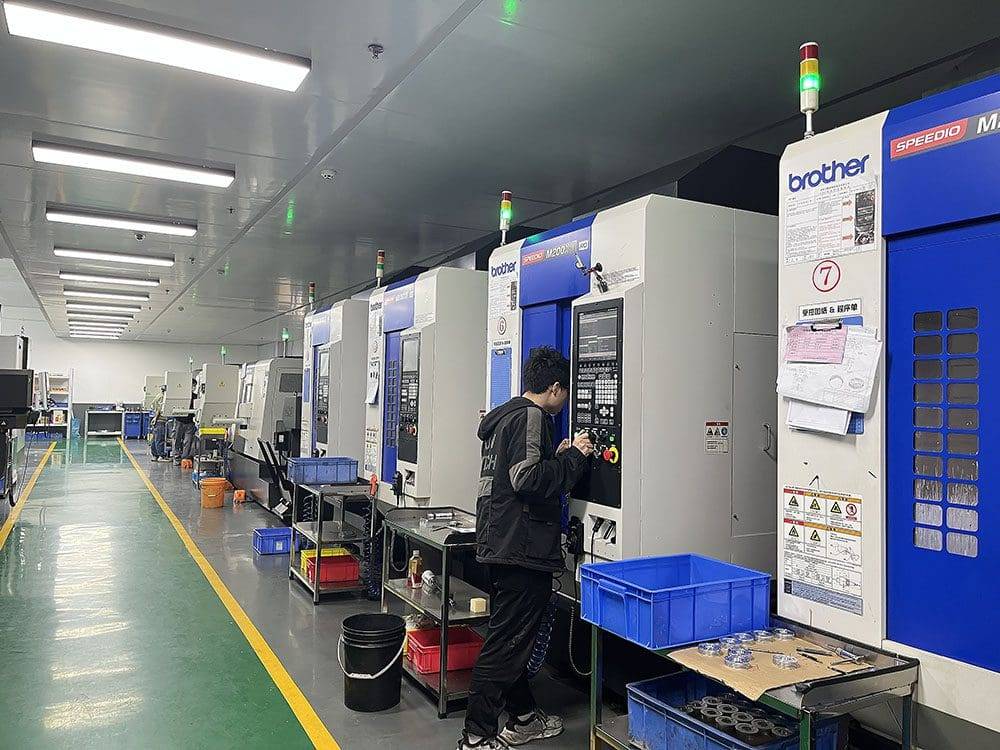
Choosing the right partner for high precision CNC machining parts requires more than comparing price lists. Start by reviewing the supplier’s equipment. Five-axis CNC mills, Swiss-type lathes, and high-speed spindles are common in precision shops. Also ask about their inspection tools, such as CMM (coordinate measuring machines) and optical comparators.
Next, evaluate their quality management system. Suppliers with ISO 9001 certification demonstrate a commitment to consistent processes. If your industry requires specific certifications like AS9100 or NADCAP, confirm these are current.
Finally, assess their experience with your part geometry and material. A supplier familiar with thin-walled parts or difficult-to-machine alloys can often recommend adjustments to improve manufacturability without sacrificing accuracy.
Cost Factors for High Tolerance Parts
The cost of high precision CNC machining parts depends on several variables: tolerance tightness, material type, part complexity, surface finish requirements, and order quantity. Tighter tolerances increase machining time and inspection effort, which directly raises cost.
Part geometry also matters. Features like deep cavities, sharp internal corners, or very thin walls may require specialized tooling or slower feeds. Surface finish requirements below 0.8 µm Ra add additional finishing operations.
To manage costs, consider relaxing tolerances on non-critical features. A clear drawing with specified critical dimensions helps the supplier focus inspection efforts where they matter most. Requesting an engineering review from your supplier can identify cost-saving opportunities without compromising function.
Common Questions About High Precision CNC Machining Parts
What is the tightest tolerance achievable in CNC machining?
In production, tolerances of ±0.005 mm are common for high precision work. With specialized equipment and careful process control, some shops can achieve ±0.002 mm, but this requires additional inspection and may increase lead time.
How do I specify tolerance on my drawing?
Use standard GD&T symbols and specify critical dimensions with tolerance values. Avoid calling out tight tolerances on every dimension, as this increases cost unnecessarily. Focus on features that affect fit, function, or assembly.
Can high precision parts be made from plastic?
Yes. Engineering plastics like PEEK, Ultem, and Delrin can be machined to tight tolerances. However, thermal expansion and moisture absorption must be considered during design and inspection.
What surface finish can I expect from high precision machining?
Typical surface finish ranges from 0.4 µm to 0.8 µm Ra. For smoother finishes, additional processes like polishing or lapping may be required.
How long does it take to produce high precision CNC parts?
Lead time depends on part complexity, material availability, and quantity. Simple parts may ship in 1-2 weeks, while complex or multi-operation parts may take 4-6 weeks. Always confirm with your supplier.
Do I need a 3D model to get a quote?
Yes. A 3D CAD model along with a 2D drawing showing critical tolerances and surface finish requirements helps suppliers provide an accurate quote. This reduces the chance of miscommunication.
What inspection reports are provided with precision parts?
Most suppliers provide a dimensional inspection report, material certificate, and surface finish report upon request. For critical applications, a full CMM report or first article inspection may be available.
Can high precision parts be machined from castings or forgings?
Yes, but the material must be free of internal defects and consistent in hardness. Pre-machining stress relief may be necessary to maintain dimensional stability during final machining.
Choosing the Right Precision Parts for Your Application
High precision CNC machining parts are a critical investment in your product’s performance and reliability. The right supplier will not only hold tight tolerances but also help you optimize design, select suitable materials, and manage cost.
At YPMFG, we support engineers and procurement teams with high precision CNC machining parts across a range of industries. Whether you need a prototype, a small batch, or full production, we can review your drawings, recommend material options, and provide a detailed quote with inspection documentation.
Send your specifications to YPMFG for an engineering review. We can help you confirm tolerances, evaluate manufacturability, and deliver parts that meet your exact requirements.