Quick answer:
Mecanizados CNC refers to computer numerically controlled machining processes used to produce precise metal and plastic parts from digital designs. This manufacturing method is widely adopted across industries such as aerospace, automotive, medical devices, and industrial equipment because it delivers consistent accuracy, repeatability, and tight tolerances. If your project requires complex geometries, fine surface finishes, or high-volume production, CNC machining is often the most cost-effective and reliable solution. However, choosing the right machining partner directly affects part quality, lead time, and total project cost.
When engineering teams or procurement managers search for mecanizados CNC, they are usually facing a practical challenge: how to get custom parts made quickly, within budget, and to exact specifications. Whether you are sourcing prototypes, low-volume runs, or full production batches, the quality of the CNC service provider determines whether your project meets design intent and delivery deadlines. YPMFG works with buyers who need reliable CNC machining support, from material selection to final inspection.
What Are Mecanizados CNC?
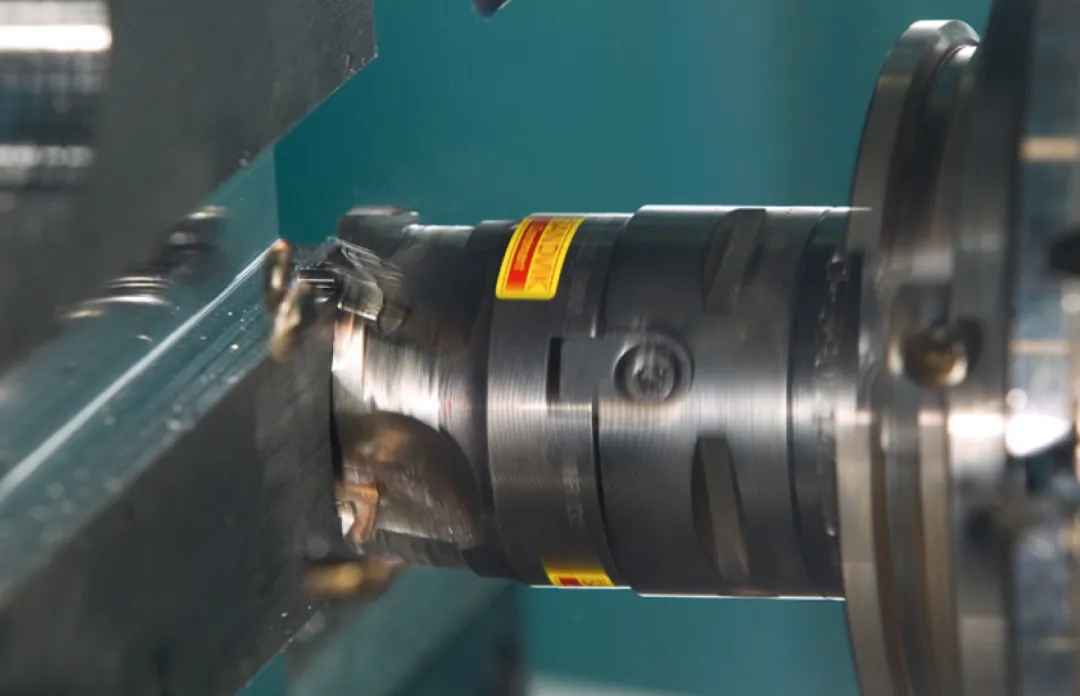
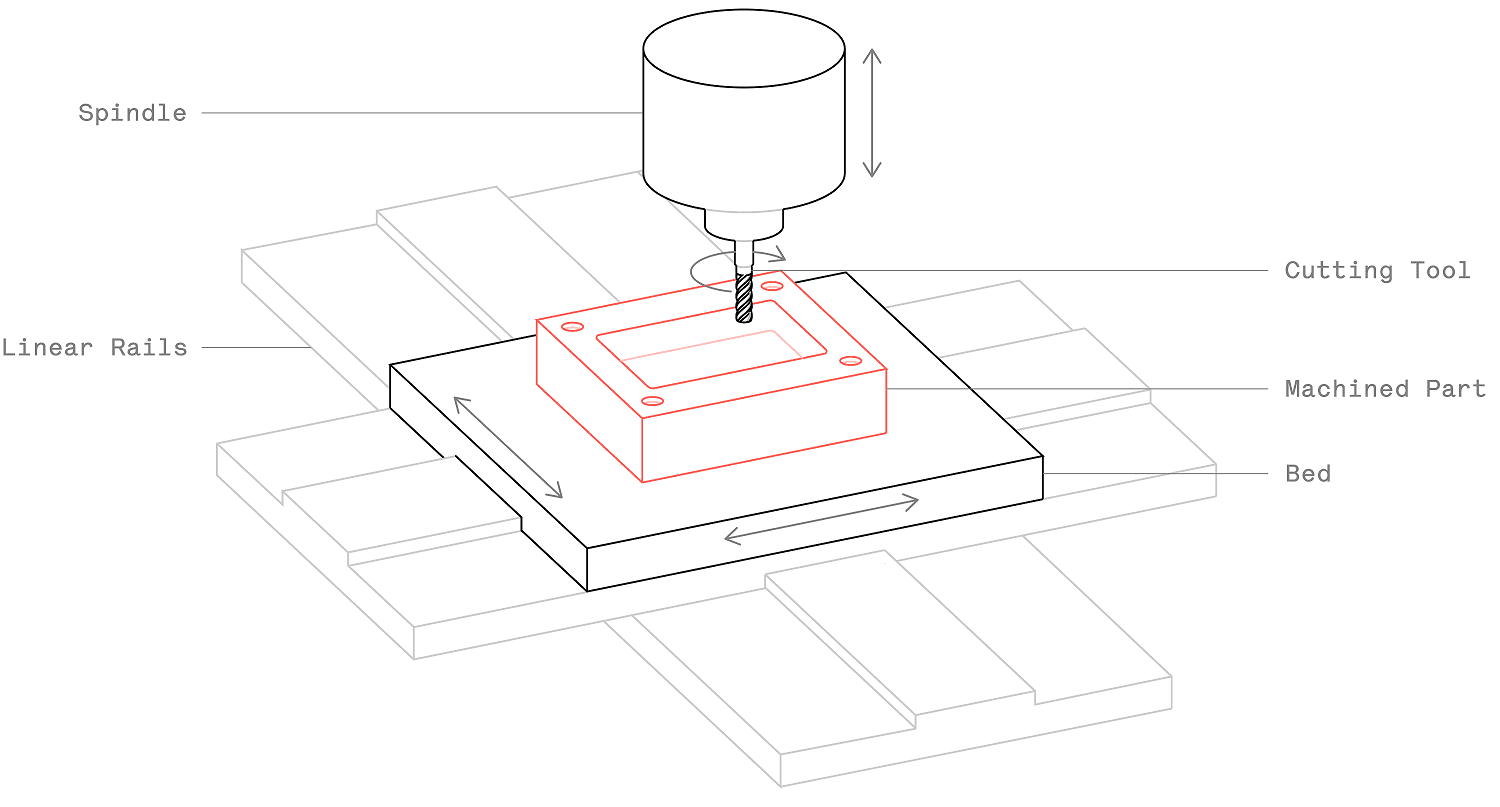
Mecanizados CNC is the Spanish term for CNC machining services. These services cover a range of subtractive manufacturing processes where computer-controlled cutting tools remove material from a solid block to create a finished part.
Common CNC processes include:
Milling (3-axis, 4-axis, 5-axis)
Turning and lathe work
Drilling and tapping
Grinding and finishing
These processes are suitable for metals such as aluminum, stainless steel, brass, titanium, and engineering plastics like nylon, PEEK, and acetal.
Industries That Rely on CNC Machining Services
CNC machining is not limited to one sector. The following industries commonly require mecanizados CNC for critical components:
Aerospace: brackets, housings, structural parts
Automotive: engine components, custom fittings, prototypes
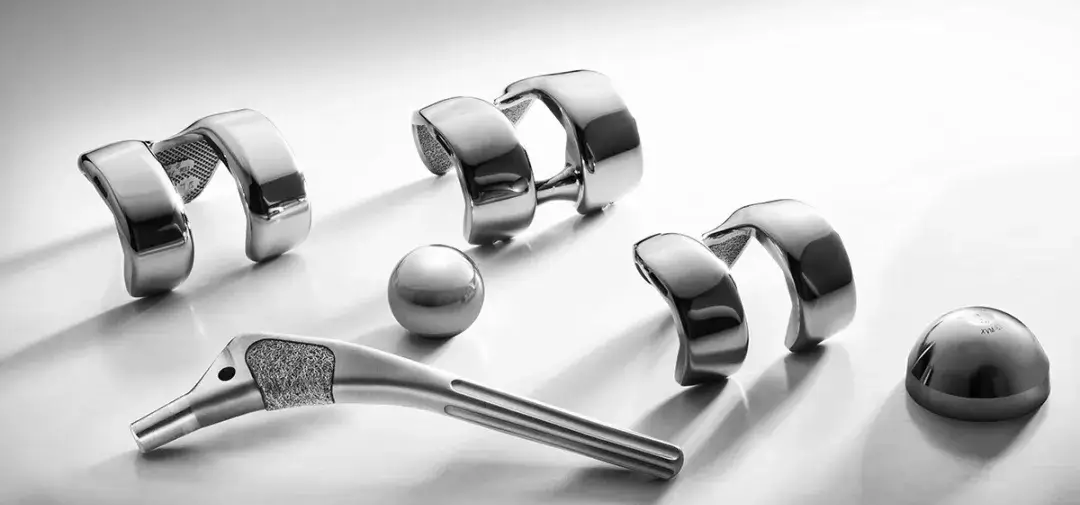
Medical devices: surgical instruments, implants, diagnostic equipment parts
Industrial machinery: gears, shafts, enclosures
Electronics: heat sinks, connectors, enclosures
Each industry has unique requirements for tolerances, surface finish, and material certifications. A reliable CNC partner should be able to adapt to these varying demands.
Key Factors That Affect CNC Machining Quality and Cost
Understanding what drives quality and cost helps you make better sourcing decisions. Below is a comparison of major factors.
If you are unsure how these factors apply to your part, YPMFG can review your design and provide guidance on material choice and tolerance selection before quoting.
How to Choose a CNC Machining Service Provider
Selecting the right provider for mecanizados CNC requires more than comparing prices. Consider the following criteria:
Equipment capability: Does the shop have multi-axis machines? Can they handle your part size?
Material expertise: Do they work with the specific alloys or plastics your project requires?
Quality control: Are they using CMM inspection, first article inspection, or ISO standards?
Lead time reliability: Can they meet your schedule without sacrificing quality?
Communication: Do they provide engineering feedback and design for manufacturability (DFM) support?
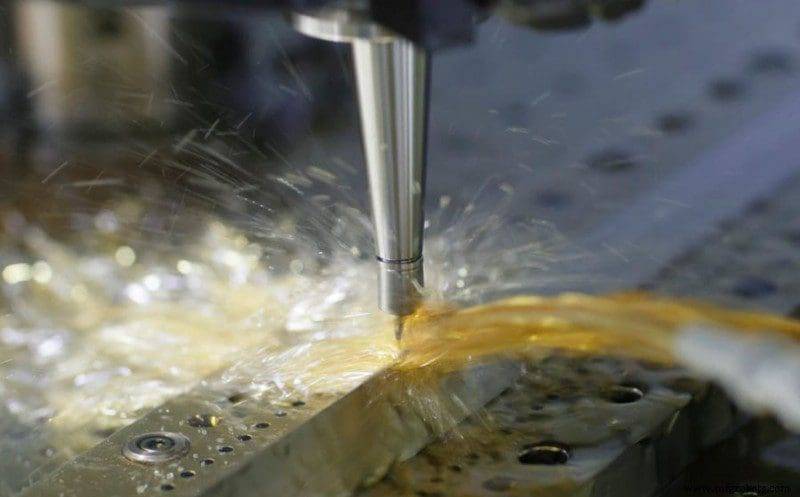
YPMFG supports projects that require detailed engineering review and clear communication throughout the production process.
Common Questions About Mecanizados CNC
What is the typical lead time for CNC machined parts?
Lead time depends on part complexity, material availability, and order quantity. Simple parts may ship in 5–7 business days, while complex components with tight tolerances may take 2–4 weeks. Always confirm lead time with your provider before placing an order.
Can CNC machining handle both prototypes and production?
Yes. CNC machining is flexible enough for single prototypes and high-volume production. The same process can be used for both, though setup costs are spread across larger quantities to reduce per-unit price.
What materials are most commonly used in CNC machining?
Aluminum 6061 and 7075, stainless steel 304 and 316, brass, titanium, and engineering plastics like nylon and PEEK are among the most common. Each material has distinct machining characteristics and cost implications.
How tight tolerances can CNC machining achieve?
Standard CNC machining typically achieves tolerances of ±0.005 inches (0.13 mm). With careful setup and inspection, tolerances as tight as ±0.001 inches (0.025 mm) are possible. Always specify your tolerance requirements clearly.
Do I need to provide a 3D CAD file for a quote?
Yes. A 3D CAD file in STEP or IGES format is the preferred input for accurate quoting. It allows the machining team to analyze geometry, identify potential issues, and recommend design adjustments if needed.
What is design for manufacturability (DFM) and why does it matter?
DFM is a review process where engineers suggest modifications to your design that make it easier and cheaper to machine without compromising function. Applying DFM feedback can reduce machining time, tooling costs, and scrap rates.
Is surface finishing included in CNC machining services?
Not always. Raw machined parts have visible tool marks. If you require a specific surface finish such as anodizing, bead blasting, or powder coating, these are typically quoted as separate line items.
How can I verify the quality of machined parts before shipment?
Reputable providers offer first article inspection reports, material certifications, and dimensional inspection data. You can request these documents as part of your order agreement.
Questions Buyers Often Ask About CNC Machining Projects
What information should I include in my RFQ?
Include a 3D CAD file, a 2D drawing with tolerances and notes, material specification, quantity, required surface finish, and target delivery date. The more detail you provide, the more accurate the quote.
How do I know if my design is suitable for CNC machining?
If your design has features like sharp internal corners, deep narrow slots, or thin walls, it may require design modifications to be machinable. A DFM review by an experienced shop can confirm feasibility.
What is the difference between 3-axis and 5-axis machining?
3-axis machining moves the cutting tool in three linear directions. 5-axis machining adds two rotational axes, allowing complex geometries to be machined in fewer setups. 5-axis is ideal for contoured surfaces and undercuts.
Can I get a quick estimate without a complete design?
Some providers offer rough estimates based on material type, approximate size, and complexity. However, a formal quote requires a detailed design to account for machining time and tooling requirements.
Choosing the Right CNC Machining Partner for Your Application
Selecting a provider for mecanizados CNC is a decision that affects your project timeline, part quality, and overall budget. The right partner does more than cut metal—they help you evaluate material options, identify potential manufacturing issues early,and deliver parts that meet your specifications. YPMFG offers engineering review, material guidance, and precise machining support for projects ranging from prototype to production. If you have a design ready, send your specifications to YPMFG for a detailed evaluation and quote.