Quick answer:
Yes, PEEK plastic parts can be CNC machined with high precision, but the process requires specific tooling, machine rigidity, and thermal management. PEEK is a high-performance engineering thermoplastic known for its strength, chemical resistance, and ability to withstand continuous service temperatures up to 260°C. However, its semi-crystalline structure and low thermal conductivity make it more challenging to machine than metals or standard plastics. Successful machining depends on selecting the right grade, controlling heat buildup, and using sharp carbide tools. For mission-critical applications in aerospace, medical, or semiconductor industries, working with an experienced CNC machining provider like YPMFG ensures tight tolerances and consistent part quality.
If you are designing a component that must maintain mechanical integrity under high heat, aggressive chemicals, or repeated sterilization, PEEK plastic is often the material of choice. But turning that material into a functional part is not always straightforward. Many engineers discover that standard plastic machining practices do not transfer directly to PEEK. The result can be dimensional drift, surface defects, or stress cracking. This article explains what makes PEEK different, what to look for in a CNC machining service, and how to avoid common pitfalls when producing PEEK plastic parts.
Why PEEK Plastic Is Different from Other Machinable Materials
PEEK is a semi-crystalline thermoplastic with a glass transition temperature around 143°C and a melting point near 343°C. Unlike amorphous plastics, PEEK retains its mechanical properties at high temperatures and resists creep under load. These properties make it ideal for bushings, seals, electrical insulators, and structural components. But the same characteristics that make PEEK valuable also make it sensitive to machining conditions. Heat generated during cutting can cause localized melting, tool wear, and residual stress. For tight-tolerance parts, these factors must be controlled from the first pass.
Key Challenges When CNC Machining PEEK Plastic Parts
Heat Management Is Critical
PEEK has low thermal conductivity compared to metals. Heat generated at the cutting edge does not dissipate quickly, leading to thermal expansion and potential surface melting. Using coolant or compressed air during machining helps maintain dimensional stability. Dry machining may be acceptable for rough cuts, but finishing passes should include cooling to hold tolerances within ±0.005 inches or tighter.
Tool Selection and Geometry Matter
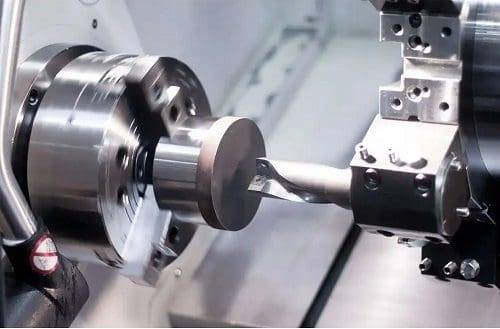
Standard HSS tools dull rapidly on PEEK. Carbide or diamond-coated tools with polished flutes reduce friction and improve chip evacuation. Tool geometry should include a positive rake angle and large relief angles to minimize heat generation. For high-volume production, tool wear monitoring becomes important to avoid scrap.
Stress Relief and Annealing
PEEK parts can develop internal stresses during machining, especially when large amounts of material are removed. Annealing before final finishing helps stabilize dimensions. Many experienced shops, including YPMFG, incorporate annealing steps for parts that require tight flatness or parallelism.
PEEK Grades and Their Impact on Machining
Selecting the correct grade is not just about end-use performance—it directly affects machinability, cycle time, and tool cost. For example, glass-filled grades can reduce tool life by 50% compared to unfilled PEEK. Engineers should confirm the specific grade with their CNC machining partner before quoting.
Critical Parameters to Specify in Your PEEK Part Drawing
Dimensional tolerance is the most common specification, but several other parameters determine whether a PEEK part can be machined consistently.
Surface finish requirements – PEEK can achieve finishes as low as Ra 0.4 µm with proper finishing passes, but roughing strategies must avoid tearing.
Corner radii – Sharp internal corners concentrate stress and are difficult to machine without tool deflection. Specify a minimum radius of 0.5 mm where possible.
Hole depth and diameter – Deep holes in PEEK require peck drilling to clear chips and prevent heat buildup.
Wall thickness – Thin walls below 1.5 mm may warp during machining. Temporary support or a thicker rough stock is often needed.
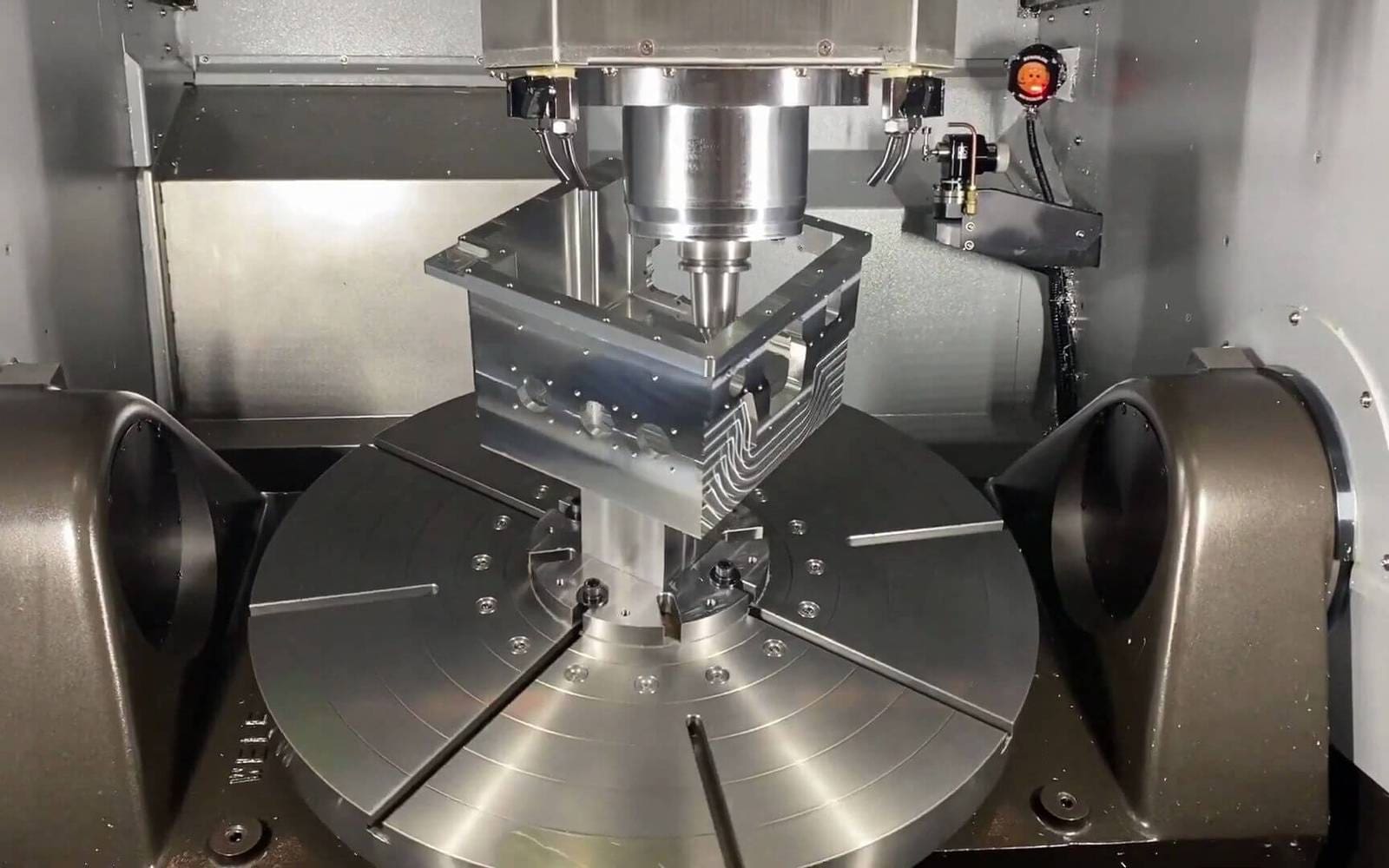
Providing a detailed print and a 3D model allows the custom CNC machining team to identify potential issues early.
Common Questions About CNC Machining PEEK Plastic Parts
Can PEEK be machined to the same tolerances as aluminum?
In many cases, yes. With proper cooling and tooling, PEEK can hold tolerances of ±0.003 inches. However, thermal expansion must be accounted for if the part will be used at elevated temperatures. Always machine parts to nominal dimensions at room temperature unless otherwise specified.
Does PEEK absorb moisture before or during machining?
PEEK has very low moisture absorption—typically less than 0.5% by weight. Pre-drying is not usually required, but parts should be stored in a dry environment after machining to prevent surface contamination.
Is PEEK difficult to deburr or finish?
PEEK can be polished, but burrs at machined edges are common. Using a sharp tool and a climb milling strategy reduces burr formation. Secondary operations like tumbling or hand deburring may be needed for cosmetic surfaces.
What industries use CNC machined PEEK parts most often?
Medical device, aerospace, semiconductor, oil and gas, and food processing industries rely on PEEK for its chemical resistance, thermal stability, and biocompatibility. In medical applications, PEEK is often used for surgical instruments and spinal implants.
How does the cost of machining PEEK compare to other plastics?
PEEK material is significantly more expensive than nylon or acetal, and machining costs are higher due to tool wear and slower cutting speeds. However, for parts that must survive extreme environments, PEEK often reduces total lifecycle cost by eliminating replacements.
Can PEEK be welded or bonded after machining?
PEEK can be welded using ultrasonic or laser methods, but bonding requires specialized surface treatments. For critical assemblies, mechanical fastening or interference fits may be more reliable than adhesives.
What surface finish can I expect from a machined PEEK part?
A standard machined finish typically ranges from Ra 0.8 to 1.6 µm. With fine finishing passes, Ra 0.4 µm is achievable. Glass-filled grades will generally yield a slightly rougher finish due to the exposed fibers.
Does PEEK require post-machining inspection?
Yes. Because PEEK can relax after material removal, inspection should occur after a stabilization period. For tight-tolerance parts, a coordinate measuring machine (CMM) check is recommended.
Choosing the Right CNC Machining Partner for PEEK Parts
Not every machine shop has experience with high-temperature thermoplastics. PEEK requires a different approach than metals or commodity plastics. Shops that routinely machine PEEK understand how to manage heat, select tooling, and sequence operations to avoid part rejection. When evaluating a supplier, ask about their experience with CNC machining PEEK, whether they anneal parts, and what quality documentation they provide.
YPMFG supports projects that require custom CNC machining of PEEK and other high-performance plastics. Their engineering team reviews part geometry, material grade, and tolerance requirements before quoting, helping to identify potential issues before they reach the machine. If your application demands tight tolerances, material certification,or surface finish documentation, you can send your specifications to YPMFG for a detailed engineering review.