
Quick answer:
CNC parts supply refers to the procurement of precision-machined components from a specialized manufacturer that offers both prototyping and production capabilities. The right supplier provides engineering support, material selection guidance, tight tolerance control, and consistent quality across order volumes. Choosing a one-size-fits-all supplier often leads to delays, higher reject rates,and hidden costs that affect your overall project timeline and budget.
Many buyers in the CNC machining industry face a common problem: finding a supplier that balances speed, precision, and cost without compromising quality. Whether you are launching a new product or scaling existing production, the wrong supply partner can disrupt your delivery schedule and increase scrap rates. This article explains what to look for in a CNC parts supply partner, how to evaluate capability, and what risks to avoid.
What Defines a Reliable CNC Parts Supply Partner
A dependable CNC parts supply partner does more than run machines. They offer upfront engineering review, material sourcing advice, and process documentation. Without these, you risk receiving parts that do not meet your specifications or require rework.

The supplier should be able to handle both low-volume prototypes and medium-to-high production runs without sacrificing consistency. This flexibility is critical when you move from testing to full-scale manufacturing. A partner who can scale with your needs reduces the number of supply chain handoffs.
YPMFG supports projects at every stage, from initial design review to final inspection. By working with a single source, you avoid mismatched tolerances and communication gaps between multiple vendors.
Key Capabilities to Look For
Not all CNC shops are equipped for complex parts. Before selecting a supplier, verify the following capabilities:
Multi-axis machining – 3-axis, 4-axis, and 5-axis machines allow complex geometries in fewer setups.
Tight tolerance control – Look for suppliers that maintain ±0.005 mm or better for critical features.
Material variety – Aluminum, stainless steel, titanium, brass, plastics, and specialty alloys should be available.
Surface finishing options – Anodizing, powder coating, plating, and bead blasting affect both function and appearance.
Inspection equipment – CMM, optical comparators, and surface roughness testers ensure quality.
A supplier lacking any of these capabilities may reject your part or deliver inconsistent results. YPMFG offers all of the above, along with custom CNC machining solutions tailored to your design and production volume.
Materials and Tolerance Considerations
Material choice directly affects machinability, cost, and part performance. For example, 6061 aluminum is cost-effective for prototypes, while 17-4 PH stainless steel is preferred for high-strength production parts. Plastics like Delrin and PEEK are suitable for lightweight or chemical-resistant applications.
Tolerance requirements must match the part’s function. Over-specifying tight tolerances increases cost and lead time without improving performance. Under-specifying leads to assembly issues and higher rejection rates. A good supplier will review your drawing and suggest realistic tolerances based on your application.
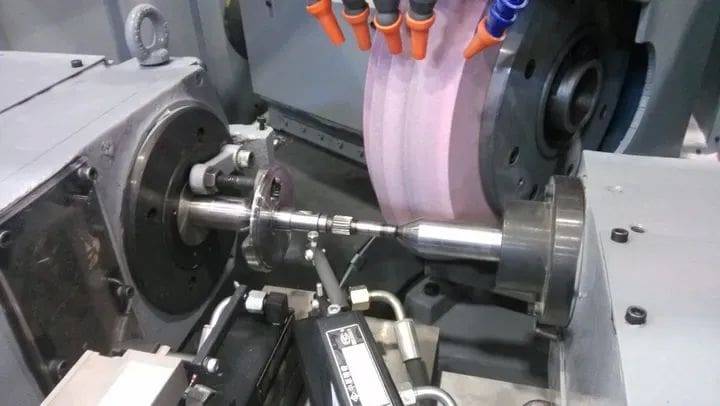
When evaluating CNC parts supply options, ask the supplier to review your print before quoting. This step reveals whether they understand your design intent and can identify potential machining challenges early.
Common Risks in CNC Parts Procurement
Each risk can be minimized by choosing a supplier that follows a documented quality system. YPMFG provides detailed engineering support and process documentation, helping you avoid surprises during production.
Questions Buyers Often Ask About CNC Parts Supply
What is the typical lead time for CNC parts?
Lead time depends on part complexity, material availability, and order quantity. Simple aluminum parts can ship in 5–7 business days, while complex stainless steel parts with tight tolerances may take 2–3 weeks. Always confirm lead time before placing an order.
How do I know if my part design is suitable for CNC machining?
Parts with sharp internal corners, overly thin walls, or deep cavities may require design adjustments. A supplier that offers engineering evaluation can identify issues before machining begins and suggest cost-effective changes.
Can I get parts with a surface finish like mirror polish?
Yes, but not all materials accept the same finish. Aluminum can be polished to a mirror-like surface, while stainless steel may require additional processing. Specify your finish requirement clearly on the drawing.
What information do I need to provide for an accurate quote?
A 2D drawing with tolerances, material specification, surface finish requirements, and expected quantity. A 3D model helps the supplier understand complex geometries and reduce quoting errors.
How are CNC parts prices calculated?
Price depends on material cost, machine time, setup time, tooling wear, secondary operations, and order volume. Lower per-unit prices usually come with larger batch sizes.
Do you offer rush orders?
Many suppliers can accommodate rush orders for an additional fee. Contact the supplier directly to confirm availability and turnaround time.
What quality documentation do you provide?
You can request a dimensional inspection report, material certificate, and in some cases, a first article inspection (FAI) report. These documents verify that parts meet your specifications.
How do I handle design changes after production starts?
Inform the supplier immediately. If changes affect tolerances or geometry, a revision to the drawing and a new quote may be required. Early communication minimizes scrap and rework.
Choosing the Right CNC Parts Supply for Your Application
Selecting a CNC parts supply partner is a strategic decision that affects your product quality, delivery schedule, and overall cost. The right partner provides engineering support, material expertise, and consistent quality across every order. They also help you avoid common pitfalls like over-specified tolerances, hidden finishing costs, and inconsistent inspection practices.
YPMFG works directly with engineers and procurement teams to review designs, recommend materials, and deliver parts that meet your specifications. Whether you need a single prototype or a full production run, you can send your specifications to YPMFG for a detailed review and quote.